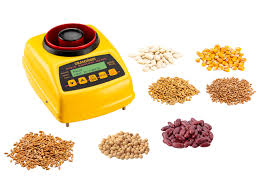
Grain-Moisture-Meters
Accurate grain moisture measurement essential for harvest time
UGX 3,500,000
UGX 4,000,000
Service Highlights
Wandegeya Showroom
Inspect the unit in person before you buy.
Nationwide Delivery
Fast dispatch to Kampala and upcountry destinations.
Calibration Support
Setup guidance and servicing for working environments.
Direct Expert Help
Phone and WhatsApp support for sizing and usage advice.
Technical Specifications
How Often Should Calibration Be Checked?
Farm use
Once per season
Commercial storage
Monthly checks
Grain trading
Before major transactions
Laboratory or QA use
According to internal quality procedures
Delivery & Procurement
Showroom Pickup
Wandegeya, Kampala
Inspect the product, confirm the configuration, and collect directly from our team.
Nationwide Delivery
Fast dispatch across Uganda
We coordinate delivery for Kampala, industrial sites, schools, hospitals, and upcountry buyers.
Bulk Supply
Commercial and institutional orders
Talk to us for multiple units, procurement support, and application-specific recommendations.
Product Description
Accurate grain moisture measurement is essential for harvest timing, storage safety, drying efficiency, and fair trading. However, even the best grain moisture meters can drift over time due to temperature changes, frequent use, dust, or handling. Regular calibration ensures your grain moisture meter continues to deliver reliable and consistent results.
This guide explains why calibration matters, when to calibrate, and how to calibrate a grain moisture meter correctly.
Why Calibration Is Important
Calibration aligns your grain moisture meter with a known reference value, ensuring accuracy. An uncalibrated meter can lead to:
❌ Incorrect harvest decisions
❌ Increased drying costs
❌ Spoilage or Mold during storage
❌ Disputes during grain trading
❌ Reduced grain quality and value
Regular calibration helps maintain measurement accuracy, compliance, and confidence in your results.
When Should You Calibrate a Grain Moisture Meter?
You should calibrate your meter:
✔ Before harvest season
✔ After long storage or infrequent use
✔ When changing grain types
✔ If readings seem inconsistent or inaccurate
✔ After dropping or damaging the device
✔ At least once every 6–12 months (recommended)
What You Need Before Calibration
Before starting, ensure you have:
A grain moisture meter (clean and in good working condition)
Calibration reference material (standard grain sample or reference value)
Clean, dry grain sample (same grain type you usually measure)
Stable room temperature (avoid extreme heat or cold)
Manufacturer’s user manual (recommended)
Step-by-Step: How to Calibrate a Grain Moisture Meter
Step 1: Clean the Meter
Remove dust, grain residues, or debris from the measuring chamber. Residue can affect sensor readings.
Tip: Use a soft brush or dry cloth — never water or chemicals.
Step 2: Select the Correct Grain Type
Turn on the meter and select the exact grain type (e.g., wheat, corn, rice). Calibration depends on grain density and structure.
Step 3: Allow Temperature Stabilization
Let both the meter and grain sample sit in the same environment for 10–15 minutes to equalize temperature. Temperature differences can cause errors.
Step 4: Measure the Reference Sample
Test the calibration grain sample and note the displayed moisture value.
Compare the reading with the known reference moisture value.
If the values match within tolerance, calibration is complete.
If not, proceed to adjustment.
Step 5: Enter Calibration Mode
Most digital grain moisture meters include a calibration or adjustment function:
Press and hold the CAL or SET button (model-dependent)
Use arrow keys or buttons to adjust the reading
Set the display to match the known reference value
Step 6: Save the Calibration
Confirm and save the calibration settings. The meter will store the new reference for future measurements.
Step 7: Verify Accuracy
Re-test the same sample or a second reference sample to confirm accuracy. Repeat adjustment if necessary.
Calibration Methods Explained
1. Reference Sample Calibration
Uses grain with a known moisture content (lab-tested or certified).
✔ Most accurate
✔ Recommended for commercial use
2. Factory Reset Calibration
Restores manufacturer default calibration.
✔ Useful after major errors
❌ Less precise than reference calibration
3. Laboratory Cross-Check
Compare meter readings with oven-dry or lab analysis.
✔ Highest accuracy
✔ Ideal for quality control and legal trade
Common Calibration Mistakes to Avoid
❌ Calibrating with mixed or dirty grain
❌ Using different grain types than selected
❌ Ignoring temperature differences
❌ Skipping verification after calibration
❌ Over-adjusting for small deviations
Best Practices for Long-Term Accuracy
📌 Store the meter in a dry, clean case
📌 Avoid extreme temperatures
📌 Clean after every use
📌 Calibrate at regular intervals
📌 Use certified reference samples when possible