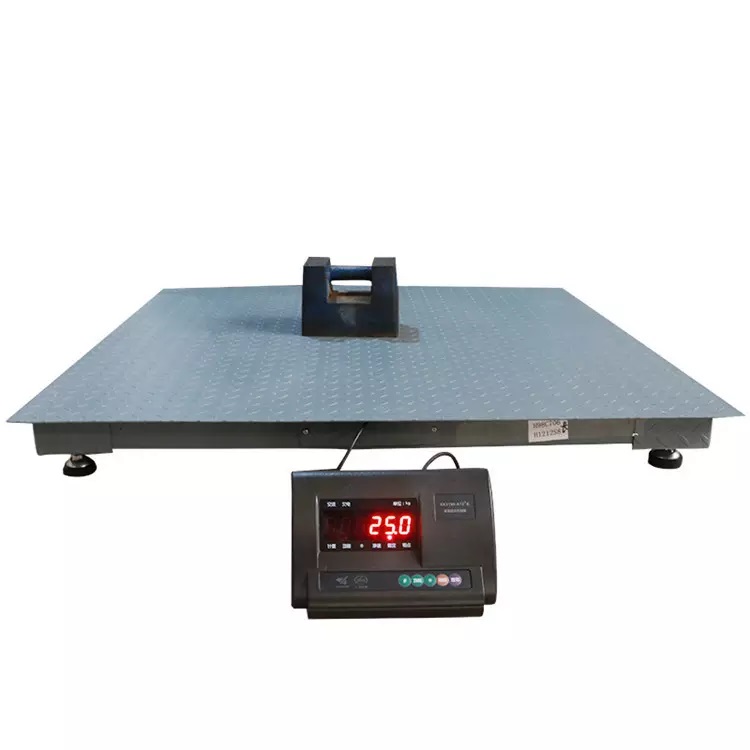
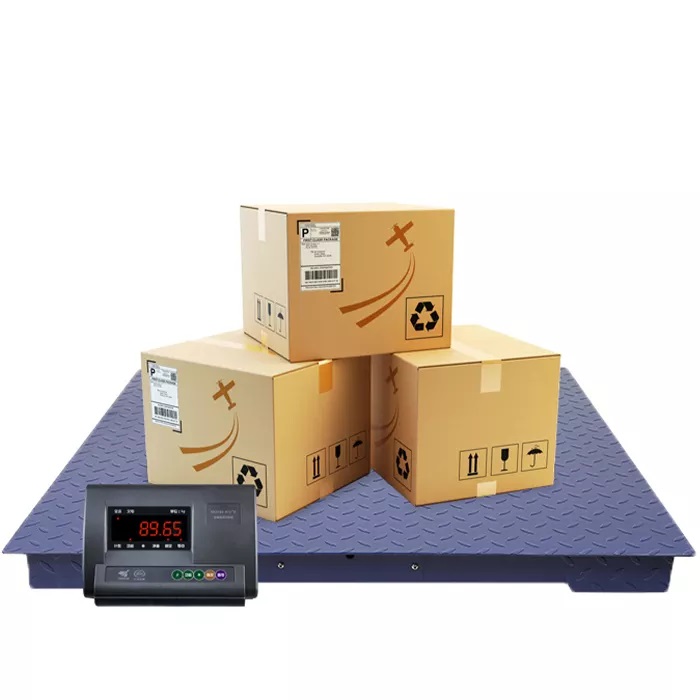
floor weighing scales have transitioned from isolated hardware into integrated "Smart Nodes" within the industrial internet of things (IIoT). Modern floor scales are defined by their ability to communicate directly with warehouse management systems (WMS) and their enhanced durability against the rigors of automated factories.
1. Primary Types of Floor Scales
The design of the scale is usually dictated by how you plan to load it.
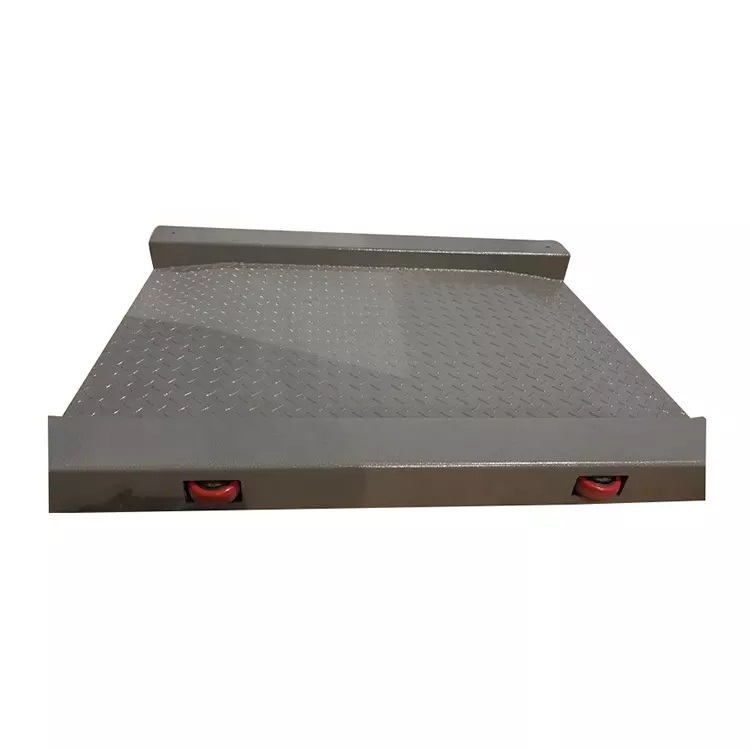
- Low-Profile Floor Scales: The most common variety. They sit 80mm–110mm above the floor. While they require ramps for pallet jacks, they are the most stable for static weighing.
- Pit-Mounted (In-Floor) Scales: Installed flush with the floor surface. These are the gold standard for high-traffic zones where forklifts move constantly, as they eliminate tripping hazards and the need for ramps.
- U-Type Frame Scales: Shaped like a "U," these allow a pallet jack to drive directly into the center of the scale, drop the load, and pull away without any lifting or ramps.
- Pallet Beams (Bar Scales): Two separate weighing bars that can be placed any distance apart. These are ideal for oversized or non-standard loads like long pipes or crates.
2. Technical Specifications (2026 Standard)
|
Feature |
Standard Industrial Spec |
Premium "Smart" Spec |
|
Capacity |
1,000 kg – 5,000 kg |
Up to 10,000 kg (10 Tons) |
|
Accuracy |
200g – 500g increments |
10g – 50g (using SAW technology) |
|
Material |
Powder-coated Carbon Steel |
316 Stainless Steel (Hygienic) |
|
Connectivity |
RS232 / USB |
Wi-Fi / 5G / Bluetooth / MQTT |
|
Protection |
IP65 (Dust/Splash) |
IP69K (High-pressure steam cleaning) |
3. The 2026 "Smart" Edge
What separates a modern floor scale from older models is the internal intelligence:
- Predictive Maintenance: Sensors now monitor the "health" of each individual load cell. The scale will send an alert if one corner is beginning to drift out of calibration before it affects your data.
- Edge Computing: Many indicators now perform their own "piece counting" or "accumulation" and push the final result to the cloud, reducing the load on your central server.
- Mobile Dashboards: Managers can monitor the throughput and load-status of every scale in a facility via a smartphone app.
4. Key Purchasing Considerations
- Safety First: In 2026, look for platforms with Tear-Drop / Checkered plate tops to prevent slips in wet or oily conditions.
- Trade Approval: If you are charging customers based on weight (shipping, scrap, etc.), the scale must be Class III Approved (NTEP in the US, OIML in Europe).
- Hygienic Design: If you are in the food or pharma sector, ensure you choose an Open-Frame or Easy-Lift model that allows for 100% cleaning underneath the platform to prevent bacterial growth.