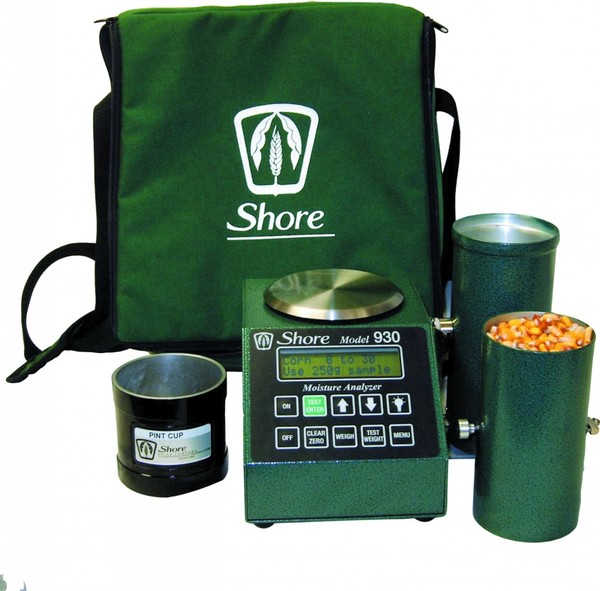
Grain-Moisture-Meters
Testing Grain Moisture in the Field vs. at the Elevator: What’s the Difference?
UGX 4,500,000
UGX 400,000
Service Highlights
Wandegeya Showroom
Inspect the unit in person before you buy.
Nationwide Delivery
Fast dispatch to Kampala and upcountry destinations.
Calibration Support
Setup guidance and servicing for working environments.
Direct Expert Help
Phone and WhatsApp support for sizing and usage advice.
Technical Specifications
✔ Immediate results for harvest decisions ✔ Portable and convenient ✔ Helps decide when to harvest or delay ✔ Reduces unnecessary drying costs ✔ Allows on-farm quality control
Delivery & Procurement
Showroom Pickup
Wandegeya, Kampala
Inspect the product, confirm the configuration, and collect directly from our team.
Nationwide Delivery
Fast dispatch across Uganda
We coordinate delivery for Kampala, industrial sites, schools, hospitals, and upcountry buyers.
Bulk Supply
Commercial and institutional orders
Talk to us for multiple units, procurement support, and application-specific recommendations.
Product Description
Grain moisture testing plays a crucial role in harvest decisions, storage safety, drying costs, and grain pricing. Farmers and grain handlers commonly test moisture in the field and again at the grain elevator, but the results can sometimes differ — leading to confusion or disputes.
This article explains the key differences between field moisture testing and elevator moisture testing, why results may vary, and how to ensure the most accurate readings.
Why Grain Moisture Testing Matters
Grain moisture affects:
- 🌾 Harvest timing
- 🏠 Storage safety and shelf life
- 🔥 Drying efficiency and fuel costs
- 💰 Market grade and price
- 📋 Trade compliance and quality assurance
Even a 1% moisture difference can significantly impact drying fees and final payout.
Testing Grain Moisture in the Field
How Field Testing Works
Field moisture testing is typically done using a portable grain moisture meter. Farmers collect samples directly from:
- Combine grain tanks
- Field wagons
- Trucks during harvest
These meters use capacitance or resistance technology to estimate moisture content quickly.
Advantages of Field Testing
✔ Immediate results for harvest decisions
✔ Portable and convenient
✔ Helps decide when to harvest or delay
✔ Reduces unnecessary drying costs
✔ Allows on-farm quality control
Limitations of Field Testing
❌ Less controlled environment
❌ Temperature variations affect readings
❌ Sample inconsistency (mixed kernels, chaff)
❌ Slightly lower accuracy compared to lab methods
Testing Grain Moisture at the Elevator
How Elevator Testing Works
At the elevator, grain moisture is measured using:
- Calibrated bench-top moisture analyzers
- Oven-dry reference methods
- Certified commercial moisture meters
These instruments operate under controlled temperature and sampling conditions and follow industry standards.
Advantages of Elevator Testing
✔ Higher accuracy and consistency
✔ Industry-recognized and trade-approved
✔ Used for pricing, grading, and settlement
✔ Regularly calibrated against reference methods
Limitations of Elevator Testing
❌ Not available during harvest decisions
❌ Less flexible than field testing
❌ May differ from on-farm readings
❌ Results depend on elevator calibration standards
Why Field and Elevator Results May Differ
|
Reason |
Explanation |
|
Sample variation |
Grain moisture can vary within the same load |
|
Temperature differences |
Warm field grain vs. cooler lab conditions |
|
Calibration differences |
Field meters vs. certified elevator systems |
|
Measurement method |
Capacitance vs. oven-dry reference |
|
Handling & drying |
Grain may lose or gain moisture in transit |
A difference of 0.5–1.0% moisture between field and elevator readings is common.
How to Minimize Differences
- 📌 Collect representative samples
- 📌 Allow grain and meter to reach the same temperature
- 📌 Regularly calibrate your field moisture meter
- 📌 Use the same grain type setting
- 📌 Test multiple samples and average results
- 📌 Compare with elevator readings periodically
Which Test Should You Trust?
- For harvest decisions: Field moisture testing is ideal
- For drying management: Field testing provides early guidance
- For pricing and trade: Elevator testing is the official reference
The best practice is to use both methods together — field testing for operational decisions and elevator testing for final verification.
Best Grain Moisture Meters for Each Location
Field Testing
- Portable digital grain moisture meters
- Capacitance-based testers
- Battery-powered handheld units
Elevator Testing
- Bench-top grain analyzers
- Oven-dry moisture reference systems
- Legal-for-trade certified instruments