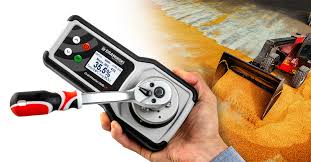
Grain-Moisture-Meters
Standardized Grain Moisture Meters
UGX 3,500,000
UGX 4,000,000
Service Highlights
Wandegeya Showroom
Inspect the unit in person before you buy.
Nationwide Delivery
Fast dispatch to Kampala and upcountry destinations.
Calibration Support
Setup guidance and servicing for working environments.
Direct Expert Help
Phone and WhatsApp support for sizing and usage advice.
Technical Specifications
How Often Should Calibration Be Checked?
Farm use
Once per season
Commercial storage
Monthly checks
Grain trading
Before major transactions
Laboratory or QA use
According to internal quality procedures
Delivery & Procurement
Showroom Pickup
Wandegeya, Kampala
Inspect the product, confirm the configuration, and collect directly from our team.
Nationwide Delivery
Fast dispatch across Uganda
We coordinate delivery for Kampala, industrial sites, schools, hospitals, and upcountry buyers.
Bulk Supply
Commercial and institutional orders
Talk to us for multiple units, procurement support, and application-specific recommendations.
Product Description
Accurate grain moisture measurement is essential for harvest timing, storage safety, drying efficiency, and fair trading. However, even the best grain moisture meters can drift over time due to temperature changes, frequent use, dust, or handling. Regular calibration ensures your grain moisture meter continues to deliver reliable and consistent results.
This guide explains why calibration matters, when to calibrate, and how to calibrate a grain moisture meter correctly.
Why Calibration Is Important
Calibration aligns your grain moisture meter with a known reference value, ensuring accuracy. An uncalibrated meter can lead to:
❌ Incorrect harvest decisions
❌ Increased drying costs
❌ Spoilage or Mold during storage
❌ Disputes during grain trading
❌ Reduced grain quality and value
Regular calibration helps maintain measurement accuracy, compliance, and confidence in your results.
When Should You Calibrate a Grain Moisture Meter?
You should calibrate your meter:
✔ Before harvest season
✔ After long storage or infrequent use
✔ When changing grain types
✔ If readings seem inconsistent or inaccurate
✔ After dropping or damaging the device
✔ At least once every 6–12 months (recommended)