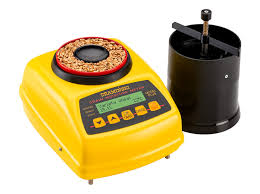
Grain-Moisture-Meters
Ideal Moisture Level for Storing Wheat — Explained for Farmers & Grain Managers
UGX 2,500,000
UGX 3,000,000
Service Highlights
Wandegeya Showroom
Inspect the unit in person before you buy.
Nationwide Delivery
Fast dispatch to Kampala and upcountry destinations.
Calibration Support
Setup guidance and servicing for working environments.
Direct Expert Help
Phone and WhatsApp support for sizing and usage advice.
Technical Specifications
Specifications You Need to Monitor
When storing wheat, it’s helpful to track these key parameters alongside moisture content
Parameter
Typical Target / Range
Grain Moisture Content
10.5% – 12.5% (depending on storage duration)
Grain Temperature
≤ 15–18 °C for long storage
Storage Humidity
< 65% Relative Humidity
Bin Aeration
Maintain positive airflow to match ambient conditions
Temperature Rise Threshold
< 1–2 °C increase per week (indicative of grain safety)
Delivery & Procurement
Showroom Pickup
Wandegeya, Kampala
Inspect the product, confirm the configuration, and collect directly from our team.
Nationwide Delivery
Fast dispatch across Uganda
We coordinate delivery for Kampala, industrial sites, schools, hospitals, and upcountry buyers.
Bulk Supply
Commercial and institutional orders
Talk to us for multiple units, procurement support, and application-specific recommendations.
Product Description
Maintaining the ideal moisture level for storing wheat is critical to preserving grain quality, preventing spoilage, and minimizing post-harvest losses. Wheat that is too moist is prone to Mold growth, insect infestation, fermentation, and heating, while wheat that is too dry may lose weight and market value. The right moisture content ensures long-term storage stability, safe handling, and optimal grain condition for sale, processing, or seed use.
Why Moisture Level Matters
✔ Prevents Mold & Fungi: Moisture above safe limits encourages microbial growth.
✔ Reduces Insect Activity: Lower moisture discourages insects and pests.
✔ Stops Self-Heating: Excess water leads to heating and spoilage.
✔ Preserves Quality: Protects protein, germ, and milling characteristics.
✔ Extends Storage Life: Ideal moisture prolongs safe warehouse storage.
Ideal Moisture Levels for Wheat Storage
Storage Type
Recommended Moisture Content
Short-Term Storage (weeks to a few months)
12.0% – 13.5%
Medium-Term Storage (several months)
11.0% – 12.5%
Long-Term Storage (over 6 months)
11.0% or lower (best practice)
Seed Wheat (for planting)
10.5% – 12.0% (to ensure viability)
📌 Note: Exact ideal moisture varies by climate, storage design, and grain condition.
Moisture Control & Best Practices
🔍 Measure Moisture Regularly: Use reliable grain moisture meters for on-the-spot readings.
🌬 Dry Before Storage: If moisture is above safe limits, dry wheat to the recommended range.
📦 Aerate Bins: Use fans or aeration systems to manage temperature and moisture gradients.
🐛 Monitor Temperature: Rising temperature can indicate spoilage even at acceptable moisture.
🪤 Inspect Frequently: Regular checks for insects, mold, and odors help catch problems early.
Why These Moisture Levels Are Recommended
Below 12.5–13% Moisture: Reduces risk of mould and fungal growth.
Around 11% Moisture: Safest for long-duration storage, especially in humid regions.
10.5–12% for Seed: Ensures seed viability while preventing deterioration.
Temperature & Humidity Aware: Cooler, drier conditions further enhance storage life