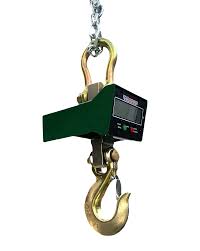
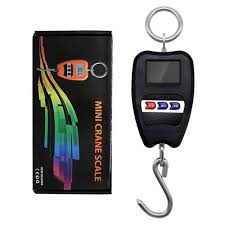
In modern industrial environments, efficiency, accuracy, and safety are paramount. Traditional crane scales have long been a staple in heavy lifting operations, providing precise measurements for a variety of materials. However, the rise of wireless crane scales is transforming the way industries approach weighing, monitoring, and data management.
What Are Wireless Crane Scales?
Wireless crane scales are advanced weighing devices that use wireless technology—such as Bluetooth or Wi-Fi—to transmit measurement data to remote devices like computers, tablets, or mobile phones. Unlike conventional crane scales, which often require manual readings at the point of lift, wireless crane scales allow operators and managers to access real-time data from a safe distance.
Advantages of Wireless Crane Scales
1. Enhanced Safety
Heavy lifting operations can be dangerous. With wireless crane scales, operators can monitor weights without standing directly under a suspended load, significantly reducing the risk of accidents.
2. Real-Time Data Access
Wireless transmission allows instant data visibility, helping teams make quicker decisions. Measurements can be logged automatically for inventory management, quality control, or regulatory compliance.
3. Improved Efficiency
Wireless crane scales eliminate the need for manual recording and reduce human error. Operators can track multiple lifts simultaneously, speeding up workflows in busy industrial settings.
4. Remote Monitoring and Integration
Many wireless crane scales can connect with enterprise software systems, including warehouse management and ERP systems. This integration enables streamlined operations and detailed reporting for management.
5. Versatility and Portability
Wireless crane scales are available in various capacities, from small loads to several tons, making them suitable for industries such as construction, manufacturing, shipping, and logistics.
Key Features to Look For
When investing in a wireless crane scale, consider the following features:
- High Weight Capacity: Ensure it can handle your typical load sizes.
- Durability: Industrial environments are harsh; look for rugged, shockproof models.
- Battery Life: Long-lasting batteries reduce downtime.
- Connectivity Range: Check how far data can reliably transmit.
- Data Logging: Automatic recording can save time and reduce errors.
Applications Across Industries
- Construction: Safely monitor heavy materials like steel beams and concrete.
- Manufacturing: Track raw materials and finished products with precision.
- Shipping & Logistics: Ensure accurate load weights for transport and compliance.
- Warehousing: Integrate weighing data directly into inventory systems.
The Future of Crane Weighing
Wireless crane scales represent the next step in industrial weighing. As IoT and smart industrial solutions continue to expand, these scales are likely to become standard equipment in modern factories, warehouses, and construction sites. They not only improve safety and efficiency but also provide the data intelligence that modern industries demand.
Conclusion:
Switching to wireless crane scales is more than a technological upgrade—it’s an investment in safety, accuracy, and operational efficiency. For businesses looking to modernize their heavy-lifting operations, wireless crane scales are no longer optional—they are the future.