
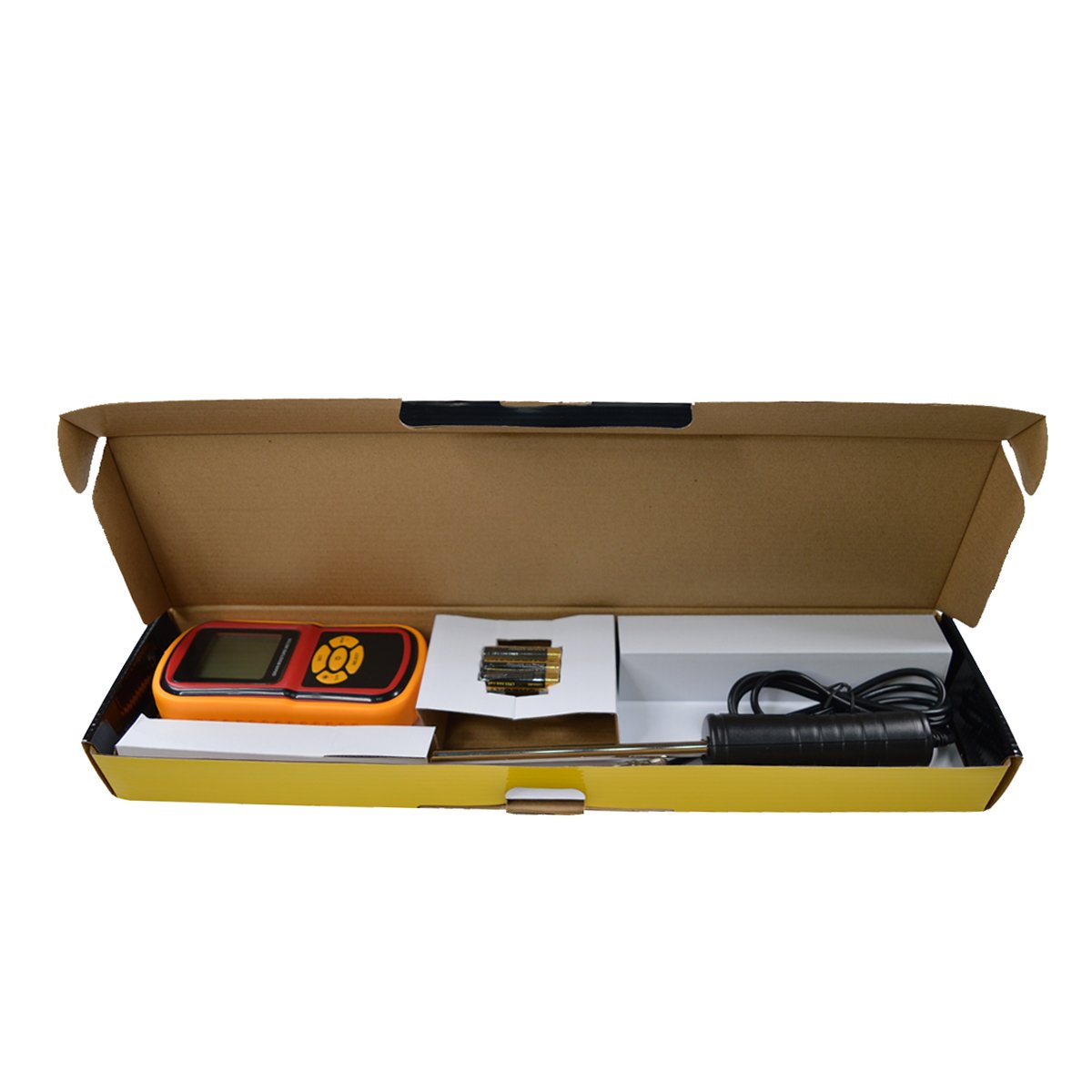
Moisture testing is a critical part of modern construction. Excess moisture in concrete, wood, and building materials can cause structural issues, material failure, health risks, and costly delays. This article explains why moisture testing matters, where it is used in construction, and how it helps prevent long-term problems.
What Is Moisture Testing in Construction?
Moisture testing involves measuring the amount of moisture present in construction materials such as:
- Concrete slabs
- Timber and structural wood
- Drywall and plaster
- Subfloors and screeds
Testing is carried out using tools such as moisture meters, relative humidity (RH) probes, and other specialist equipment to ensure materials are within acceptable limits before installation or finishing.
Why Moisture Testing Is So Important
1. Prevents Flooring and Coating Failure
One of the most common causes of flooring failure is excess moisture in concrete or subfloors. If moisture levels are too high:
- Adhesives can break down
- Vinyl and laminate floors may lift or bubble
- Timber flooring can warp or cup
- Coatings may blister or peel
Moisture testing ensures floors are installed only when conditions are suitable.
2. Protects Structural Integrity
Excess moisture in structural timber can lead to:
- Shrinkage and distortion as wood dries
- Reduced load-bearing performance
- Increased risk of rot and fungal decay
Testing timber moisture content helps ensure materials meet building regulations and structural requirements.
3. Reduces Risk of Mould and Health Issues
High moisture levels create ideal conditions for mould and mildew growth. This can:
- Affect indoor air quality
- Cause respiratory and allergy problems
- Lead to costly remediation work
Moisture testing helps identify damp conditions early, protecting both occupants and buildings.
4. Ensures Compliance with Standards and Warranties
Many flooring manufacturers, coating systems, and building standards specify maximum allowable moisture levels.
Without documented moisture testing:
- Manufacturer warranties may be void
- Installations may fail inspections
- Contractors may face disputes or liability issues
Regular testing provides traceable evidence of compliance.
5. Saves Time and Reduces Costly Remedial Work
Installing materials over damp substrates often results in failure that requires removal and replacement.
Moisture testing helps:
- Avoid rework and delays
- Reduce material waste
- Prevent project overruns
Early testing is far more cost-effective than repairing moisture-related damage later.
Where Moisture Testing Is Used in Construction
Moisture testing plays a role throughout a project lifecycle:
- Before flooring installation – concrete and subfloor testing
- During timber framing – structural wood moisture checks
- Before finishing – drywall and plaster moisture assessment
- During inspections – building surveys and snag lists
Both new builds and refurbishment projects benefit from routine moisture measurement.
Common Moisture Testing Methods
Moisture Meters
Used for quick, non-destructive testing of wood and concrete surfaces.
Relative Humidity (RH) Testing
Measures internal moisture in concrete slabs and is widely accepted for flooring approval.
Pin-Type and Pinless Testing
- Pin meters measure moisture content at depth
- Pinless meters scan large areas without surface damage
Using the correct method ensures accurate and meaningful results.
Who Benefits from Moisture Testing?
- Builders and contractors
- Flooring installers
- Surveyors and inspectors
- Property developers
- Facilities and maintenance teams
Moisture testing supports quality control and risk management across the construction industry.
Best Practices for Moisture Testing on Site
- Test multiple locations across materials
- Use calibrated, professional-grade equipment
- Follow manufacturer and industry guidelines
- Record and document results
- Retest if environmental conditions change
Final Thoughts
Moisture testing is essential in construction to prevent failures, protect materials, and ensure long-term building performance. From concrete slabs to structural timber, understanding and controlling moisture levels reduces risk, improves quality, and saves money.
Using reliable moisture testing equipment and proper procedures should be standard practice on every construction project.
Professional moisture meters and testing tools are recommended for accurate, repeatable results in construction environments.