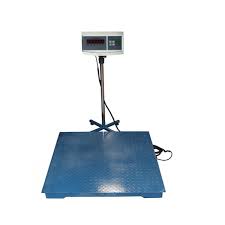
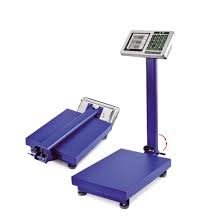
Choosing the right platform weighing scale in the 100–500 kg range can make a significant difference in accuracy, workflow efficiency, safety, and cost control across commercial and industrial operations. Whether used in warehouses, factories, logistics hubs, food processing, or material handling, the right scale should meet your needs now and adapt to future demands.
Here’s a clear guide to the most important factors to consider before making your purchase.
1. Capacity and Load Range
The first and most obvious consideration is the scale’s weight capacity:
- 100–200 kg: Best for smaller loads like individual cartons, components, and light pallets.
- 200–400 kg: Ideal for typical warehouse pallets, bulk packages, and medium loads.
- 400–500 kg: Designed for heavy pallets, industrial parts, and larger containers.
🧠 Tip: Always choose a scale with a capacity slightly higher than your heaviest load to prevent overloading and protect the mechanism.
2. Accuracy and Readability
Accuracy determines whether the scale’s measurements are trustworthy — critical for billing, compliance, quality control, and inventory tracking.
- Accuracy: Look for consistent performance with minimal deviation across repeated measurements.
- Readability: This refers to the smallest increment the scale can display (e.g., 50 g, 100 g). Higher readability is essential for applications requiring precise measurements.
⚙️ Tip: Match accuracy and readability to your industry needs — high-precision for food, pharma, and chemicals; standard precision for general shipping and warehousing.
3. Platform Size and Design
The physical design of a platform scale affects usability and safety:
- Platform Surface Area: Choose a size that fits the loads you handle regularly — larger platforms accommodate pallets and crates; smaller ones are ideal for parts and boxes.
- Profile Height: Low-profile scales make loading easier using hand trucks or forklifts and reduce lifting strain.
- Surface Type: Non-slip surfaces improve safety when loading heavy items.
📏 Tip: Measure your handling equipment (forklift forks, pallet jack width) to ensure compatibility.
4. Construction and Durability
Industrial and commercial environments can be tough on equipment — the scale you choose must be built to last.
- Materials: Stainless steel platforms resist corrosion and are ideal for wet or food environments. Powder‑coated steel offers durable protection in general industrial settings.
- Frame Strength: Reinforced structures and quality load cells resist bending or warping under frequent heavy use.
- Environmental Resistance: Dust, moisture, and vibration resistance extend life in harsh conditions.
🛠️ Tip: Investing upfront in rugged construction reduces downtime and maintenance costs later.
5. Functional Features
Modern platform scales go beyond basic weight measurement. Useful features include:
- Tare Function: Lets you subtract container or pallet weight for accurate net weight reading.
- Counting Mode: Helps count parts or components efficiently using weight averages.
- Unit Conversion: Switch between kg, lb, and other units based on workflow needs.
- Display Quality: Large, backlit displays are easier to read in dim or busy environments.
🧩 Tip: Prioritize features that streamline your specific workflows — not every feature is necessary for all operations.
6. Connectivity and Integration
Data is more powerful when it moves seamlessly through systems:
- Communication Ports: USB, RS232, Ethernet, or Bluetooth for connectivity with computers, printers, or warehouse systems.
- Software Support: Integration with inventory management systems or ERP software automates reporting and eliminates manual entry errors.
- Printer Compatibility: Useful for generating shipping tags, reports, or compliance documentation directly at the scale.
📡 Tip: If digital workflows are key in your operation, ensure the scale supports your preferred integration method.
7. Calibration, Certification & Support
Reliable weighing requires consistency over time:
- Calibration: Look for scales that can be calibrated easily on site (or come pre‑calibrated).
- Certification: If the scale will be used for commercial transactions, ensure it is legal for trade or meets relevant regional standards.
- Support: A solid warranty and access to service technicians or spare parts help minimize downtime.
🧾 Tip: Factor in calibration and servicing availability when planning total operating cost.
8. Budget and Longevity
Cost is a factor — but it’s wise to weigh value over price:
- Upfront Cost vs. Lifespan: Cheaper models may save money initially but could fail sooner or lack needed features.
- Total Cost of Ownership: Consider maintenance, calibration, downtime impact, and feature benefits when comparing options.
💡 Tip: Choose the best scale you can reasonably afford for the reliability and performance you need.
Conclusion
Selecting the right 100–500 kg platform weighing scale requires thoughtful evaluation of capacity, accuracy, size, durability, and features. The most effective scales deliver not only reliable weight measurements but also workflow efficiency, safety, and seamless integration with your systems.
By focusing on these core elements, you’ll choose a scale that supports your operations reliably — today and well into the future.