In Uganda, commercial weighing equipment often must comply with standards from UNBS (Uganda National Bureau of Standards) when used for trade purposes.
Before we talk about specific types, accuracy in commercial weighing means:
✅ The scale consistently shows the true weight
✅ It meets legal and regulatory standards (for trade, taxation, and quality control)
✅ It performs reliably in everyday business use
✅ It has a certificate of calibration from a recognized body
🏆 Most Accurate Types of Commercial Weighing Scales
1. Digital Bench and Platform Scales (High-Precision Models)
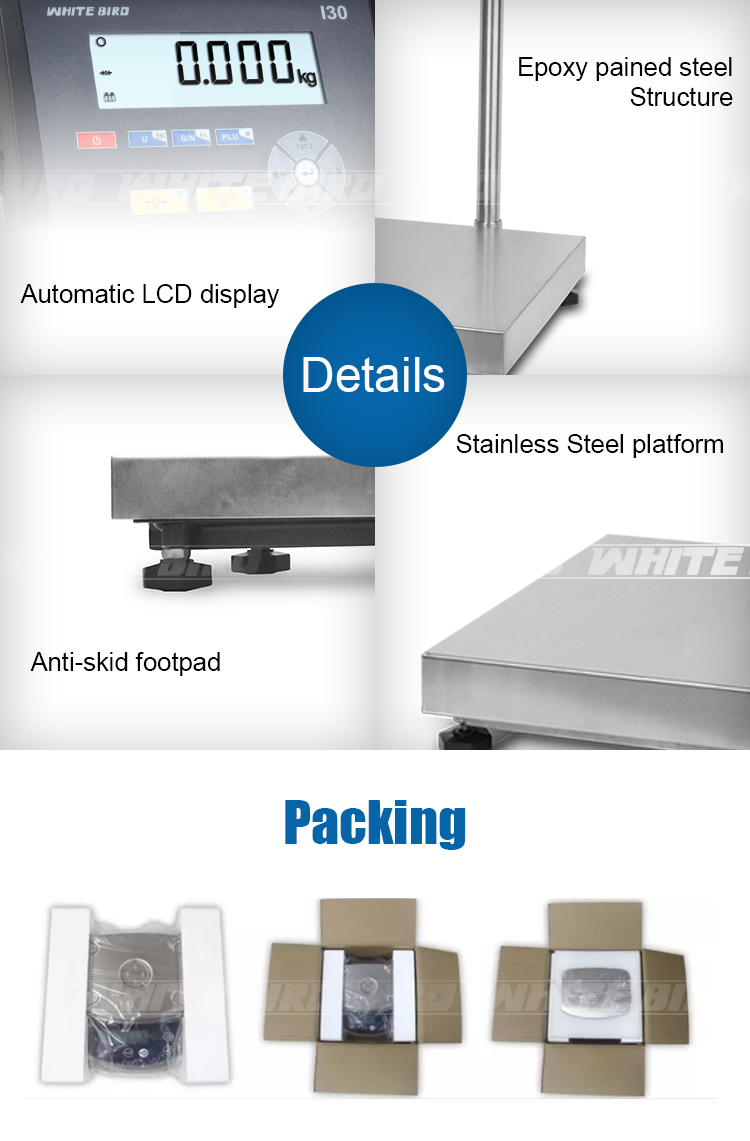
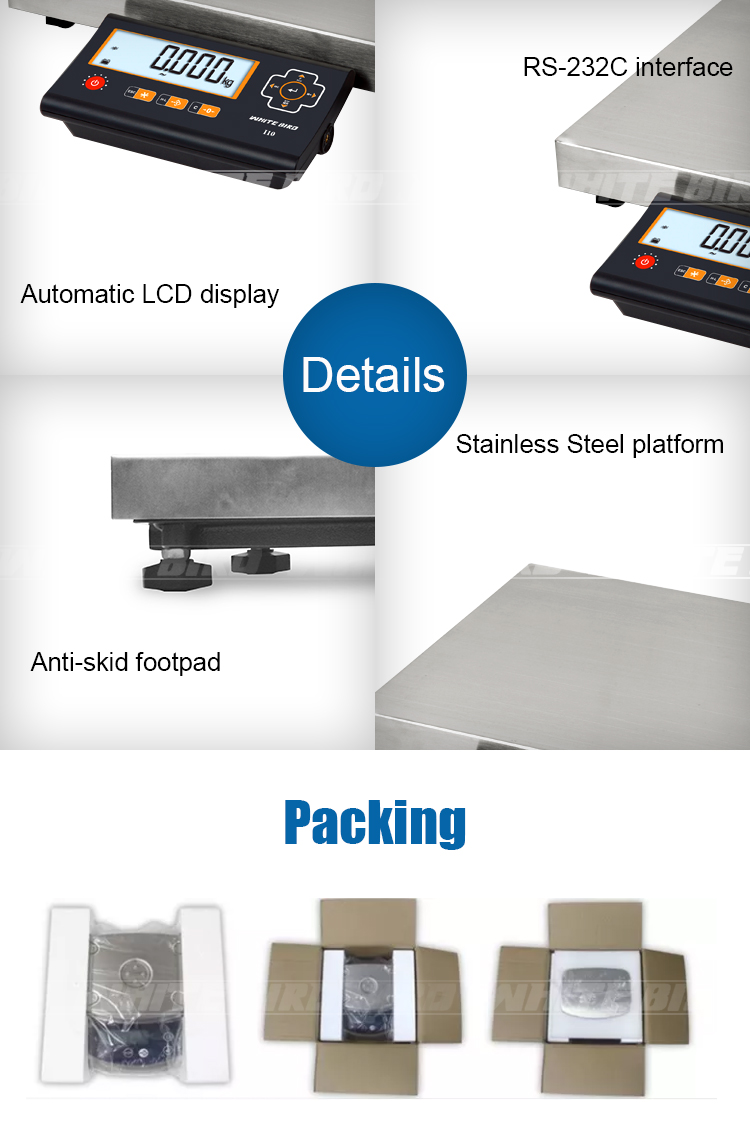
These scales use electronic load cells and digital indicators to give very precise measurements.
✔️ Best for: Retail, wholesale, industrial goods, packaging, and logistics
✔️ Pros:
- Very high accuracy (often up to 0.1% or better)
- Easy to read digital display
- Can connect to printers or POS systems
- Good for repeatable, professional weighing
📌 Examples
- Digital platform scales with four quality load cells
- Bench scales with high-resolution digital readouts
- Scales with stabilization technology to filter out vibration
Why they’re accurate:
Digital electronic technology reduces human error and mechanical wear.
2. Analytical and Precision Balances (Top Accuracy)
These are extremely accurate scales used in labs and quality control.
✔️ Best for: Laboratories, pharmaceutical production, quality assurance
✔️ Pros:
- Excellent precision (often 0.001 g or better)
- Ideal for small item weighing
❗ Not usually used for heavy commercial items because they are designed for small, very precise measurements.
3. Load Cell Floor Scales with Certification
For heavy and bulk commercial items where precision still matters, load-cell floor scales are top choice.
✔️ Best for: Warehouses, bulk goods, pallets, livestock
✔️ Pros:
- Accurate across large weight ranges
- Rugged designs for industrial environments
- Can be calibrated to legal standards
Why they’re accurate:
Multiple load cells and quality digital electronics combine to deliver consistent, repeatable results.
🧮 What Accuracy Levels Look Like in Practice
Different tasks require different levels of accuracy:
|
Application |
Typical Accuracy Rating |
|
Retail vegetable stand |
±0.1 kg |
|
Produce wholesaling |
±0.05 kg |
|
Industrial pallet weighing |
±0.1% of load |
|
Laboratory / high precision |
±0.001 g |
For most commercial activities in Uganda — like trading, logistics, and industrial use — digital platform or bench scales with good load cells are the best balance of accuracy and practicality.
📑 Calibration and Legal Compliance
Even the most accurate scale won’t stay accurate forever. To maintain accuracy:
🔹 Calibrate regularly using certified weights
🔹 Get calibration from an accredited service (e.g., UNBS-recognized technicians)
🔹 Keep a calibration certificate — important for legal trade or audits
Regular calibration ensures your scale stays within acceptable accuracy limits.
🧠 So What’s the Best Choice?
For most commercial use in Uganda:
✅ Digital platform scales with quality load cells and digital indicators
— Accurate, durable, and versatile for businesses of all sizes.
If you want maximum precision for small items, go for analytical/precision balances.
If you deal with heavy pallets or industrial goods, get a certified load cell floor scale.
📌 Quick Recommendation
👉 If you’re choosing one scale for general commercial operations:
Digital platform scale with certified calibration and good load cells
This offers the best mix of accuracy, reliability, and value.