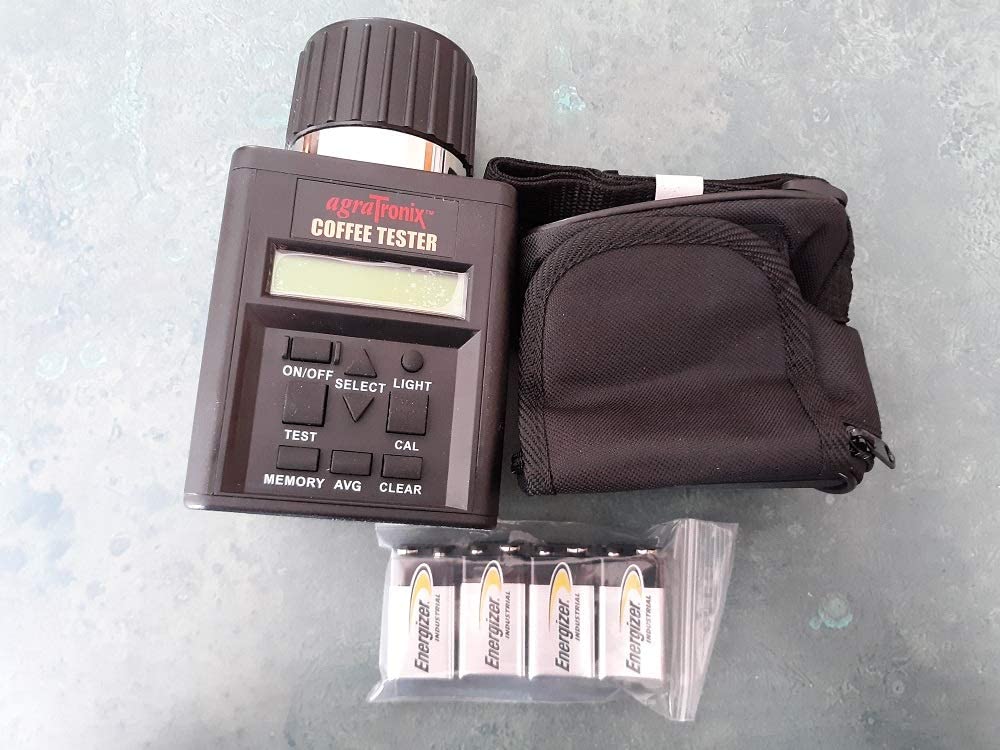
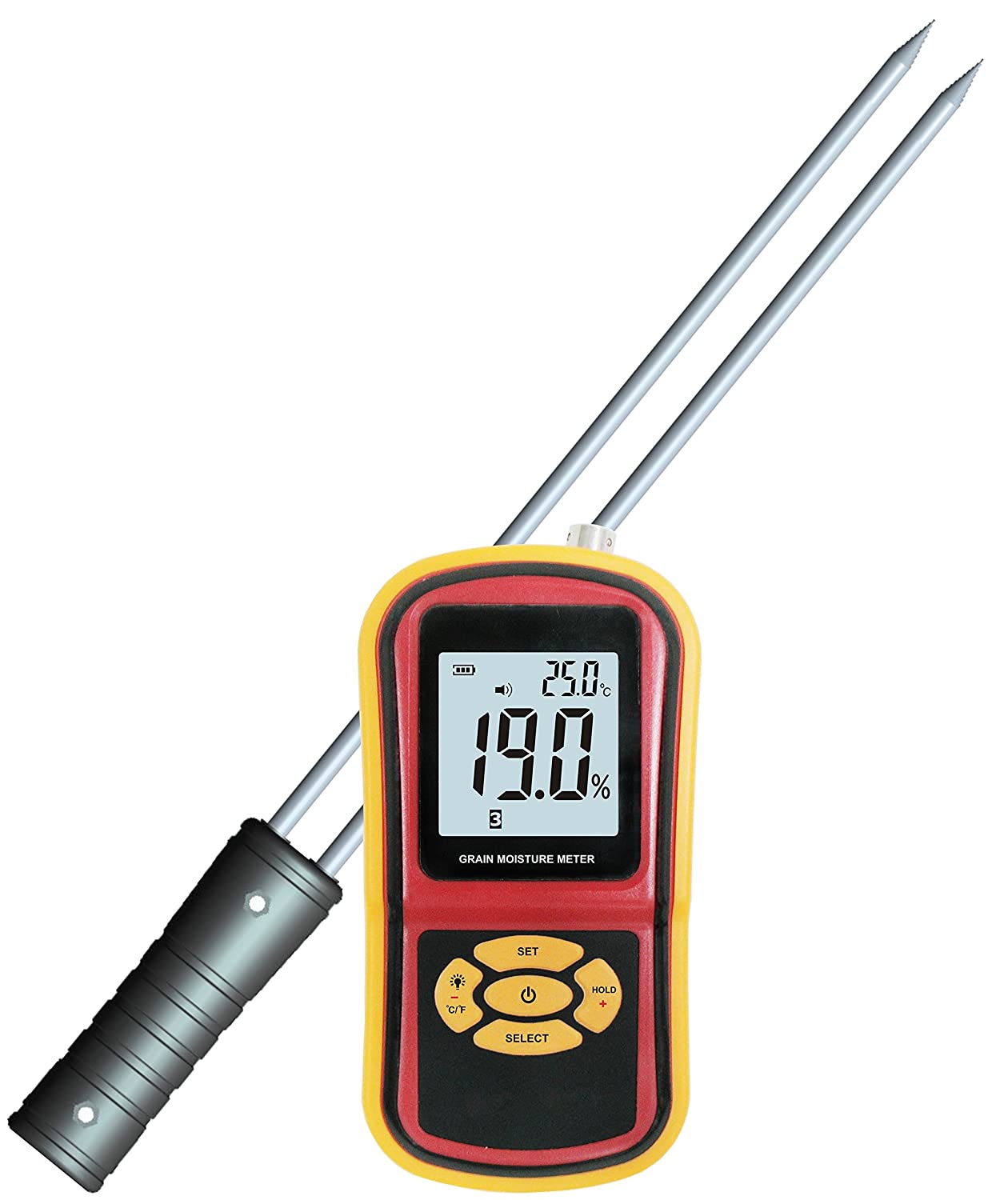
A moisture meter is a device used to measure the moisture content in materials. From agricultural produce to construction materials, knowing the moisture levels is critical for quality assurance, safety, and efficiency. In Uganda, moisture meters play a pivotal role in diverse industries, ensuring optimal performance and preventing losses.
Main Uses of a Moisture Meter
- Construction & Home Inspection
- Detect moisture in walls, floors, and ceilings (helps find leaks, Mold risk, or water damage).
- Agriculture & Gardening
- Check soil moisture to optimize irrigation.
- Used for proper grain and crop storage to prevent spoilage.
- Woodworking & Lumber
- Ensure wood is properly dried before use (prevents warping or cracking).
- Industrial & Manufacturing
- Monitor moisture in materials like concrete, drywall, and packaging.
Types of Moisture Meters
- Pin-type: Uses probes to measure moisture via electrical resistance.
- Pin less (non-invasive): Uses sensors to scan surfaces without damage.
- Soil moisture meters: Specifically designed for garden or agricultural soil.
Key Functions
- Moisture Detection
- Measures the percentage of water in materials like wood, concrete, drywall, or soil.
- Helps determine if a material is too wet, dry, or within a safe range.
- Digital/Analog Readout
- Displays moisture levels in percentage (%MC) or relative scale.
- Some models offer color-coded indicators for quick assessment.
- Pin vs. Pin less Modes
- Pin-type: Measures resistance between two probes inserted into the material.
- Pin less: Uses sensors to scan without causing surface damage.
- Material Selection Settings
- Allows switching between material types (wood, concrete, drywall, etc.) for accurate calibration.
- Alert or Alarm
- Many meters have threshold settings that trigger an alert when moisture exceeds a safe limit.
- Data Storage or Logging
- Advanced models log readings for recordkeeping or analysis over time.
- Temperature Compensation
- Some meters adjust readings based on ambient temperature to improve accuracy.
How to Use a Moisture Meter
- Select the Right Type
- Choose a moisture meter suitable for your material (e.g., soil, grain, or wood).
- Prepare the Material
- Clean the surface to remove dirt or debris that could affect readings.
- Take the Measurement
- For pin-type meters, insert the pins into the material.
- For pin less meters, place the device flat on the surface.
- Interpret the Results
- Compare the readings with recommended moisture levels for your application.
- Calibrate Regularly
- Ensure accuracy by calibrating the device as per the manufacturer’s instructions or with professional services.
Why Choose Accurate Weighing Scales for Moisture Meters in Uganda?
Accurate Weighing Scales is the go-to provider of high-quality moisture meters and weighing equipment in Uganda. Here’s why:
- Wide Selection: From grain to soil moisture meters, they offer devices for every need.
- Expert Guidance: Professional advice to help you select the best meter for your application.
- Affordable Pricing: Competitive rates in Ugandan Shillings (UGX).
- After-Sales Services: Calibration, maintenance, and repair services to ensure long-term reliability.