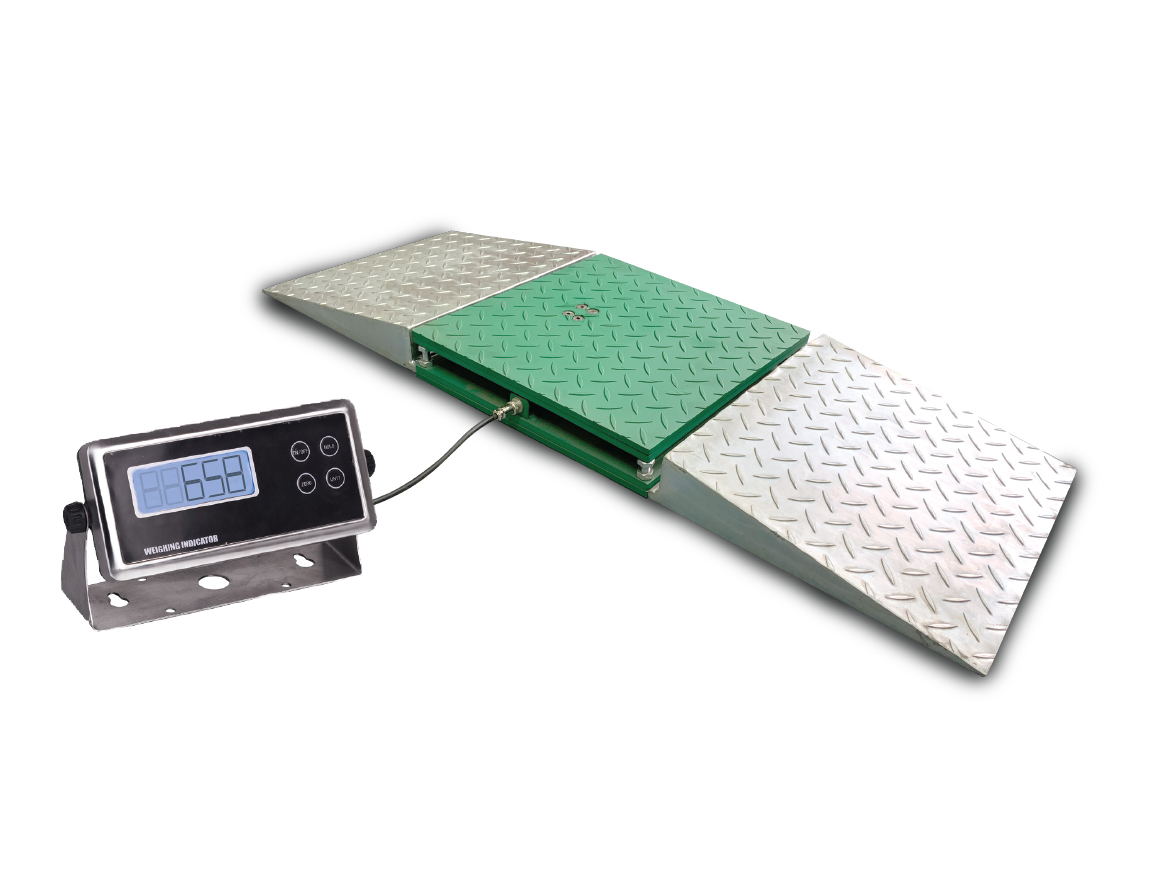
Vehicle scales are essential tools used across industries such as logistics, construction, mining, agriculture, and waste management. They ensure accurate measurement of vehicle weight, helping businesses maintain safety, comply with regulations, and optimize operations. Understanding how vehicle scales work can help organizations choose the right system and use it effectively.
What Are Vehicle Scales?
Vehicle scales are weighing systems designed to measure the weight of vehicles, including trucks, trailers, tankers, and commercial fleets. They can measure:
- Gross vehicle weight (GVW)
- Axle-by-axle weight
- Individual wheel loads (in some systems)
Vehicle scales are commonly used for trade, compliance, safety checks, and process control.
Common Types of Vehicle Scales
1. Weighbridges
Weighbridges are large platforms installed at fixed locations, allowing vehicles to drive fully onto the scale.
Types include:
- Pit weighbridges
- Pitless weighbridges
Best for: High-volume, permanent weighing operations.
2. Portable Vehicle Scales
Portable vehicle scales consist of modular platforms that can be easily transported and installed without permanent foundations.
Best for: Temporary sites, mobile operations, or multiple locations.
3. Axle Weighing Scales
Axle scales measure the weight on each axle separately as the vehicle drives over the scale.
Best for: Overload prevention and load distribution monitoring.
4. On-Board Weighing Systems
Installed directly on vehicles, these systems provide real-time weight data during loading and transport.
Best for: Continuous monitoring and operational efficiency.
How Do Vehicle Scales Work?
1. Load Application
When a vehicle drives onto the scale, its weight is transferred to the scale platform.
2. Load Cell Measurement
The platform rests on load cells, which are sensors that convert mechanical force into electrical signals. As the vehicle’s weight increases, the load cells measure the force applied.
3. Signal Processing
The load cell signals are sent to a digital indicator, which processes the data and calculates the total weight or axle load.
4. Weight Display and Data Output
The calculated weight is displayed on a digital screen. Advanced systems can:
- Store weight records
- Print tickets
- Transmit data to computers or cloud systems
Accuracy and Calibration
To maintain accuracy, vehicle scales require:
- Regular calibration using certified test weights
- Periodic servicing and inspection
- Stable foundations and proper installation
Calibration ensures reliable readings and compliance with legal standards.
Key Benefits of Vehicle Scales
- Improved safety by preventing overloading
- Legal compliance with weight regulations
- Operational efficiency and faster processing
- Cost savings through optimized payloads
- Data accuracy for billing and reporting
Conclusion
Vehicle scales are critical tools for managing vehicle weight safely and efficiently. By understanding what vehicle scales are and how they work, businesses can select the right system, ensure compliance, and improve overall operations.
Whether using a permanent weighbridge or a portable system, accurate vehicle weighing supports safer roads, better efficiency, and long-term business success.