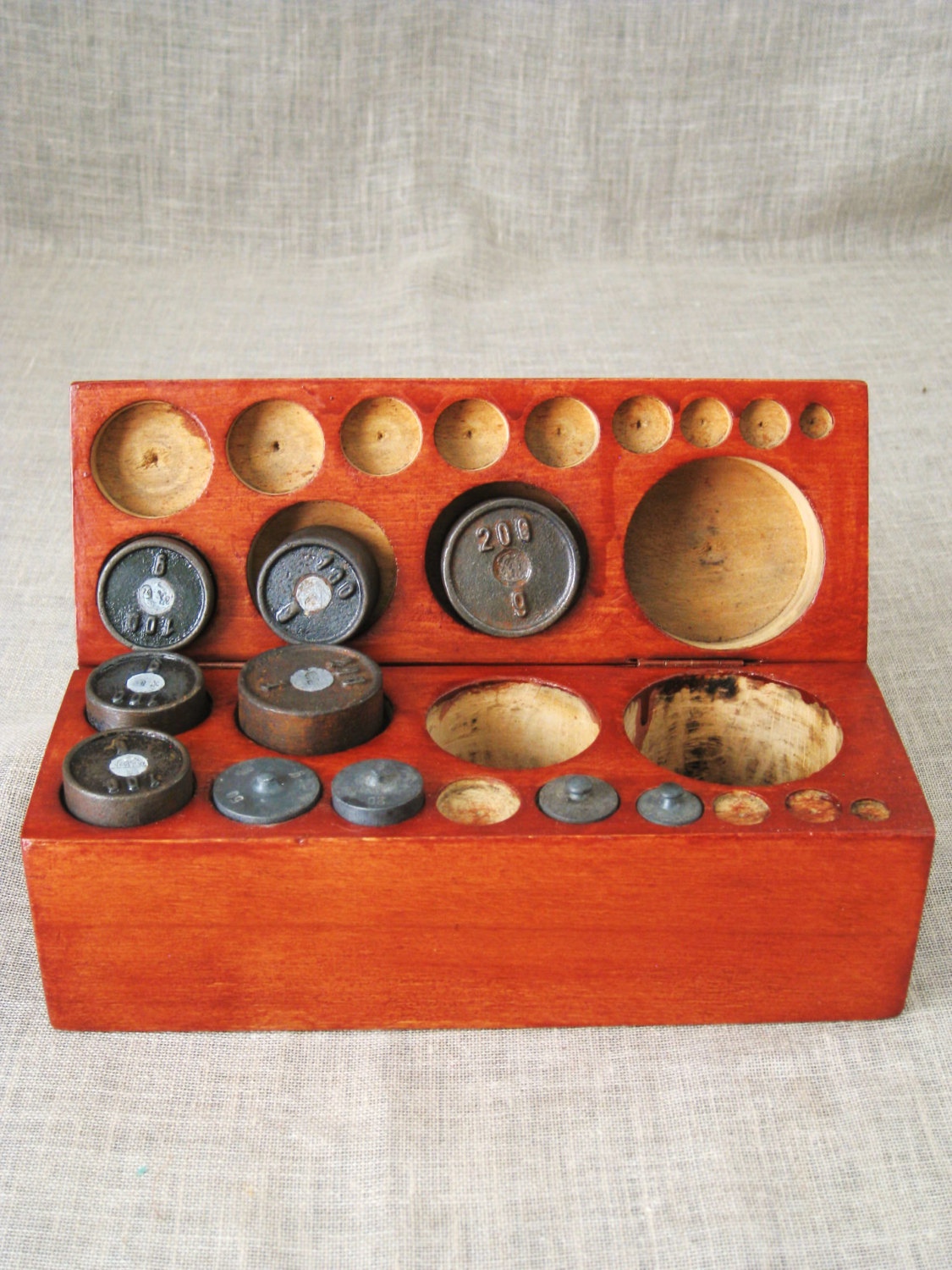
When it comes to weighing scales, accuracy is everything. Even the best scale is only as reliable as the tools used to check and calibrate it. This is where certified test weights come in. But what exactly are they, and why are they so important?
Understanding Certified Test Weights
Certified test weights are precision weights that have been officially verified for accuracy by a recognized standards organization. They are used to calibrate and verify the performance of weighing scales to ensure that measurements are correct and consistent.
Unlike ordinary weights, certified test weights come with a certificate of calibration, which confirms:
- The exact mass of the weight
- The allowable tolerance (how much it can deviate)
- Traceability to national or international measurement standards
Types of Certified Test Weights
Certified test weights come in different shapes, sizes, and accuracy classes, depending on their application:
- Class E1 and E2 – Extremely high precision weights, used in calibration laboratories and scientific research.
- Class F1 and F2 – High-accuracy weights suitable for analytical and industrial scales.
- Class M1, M2, M3 – Standard precision weights for general industrial and commercial use.
Each class specifies the allowed error, so you can choose the right weights based on your scale’s precision.
Why Certified Test Weights Are Important
- Ensure Accurate Calibration: They are the standard reference for calibrating scales, ensuring your measurements are reliable.
- Maintain Compliance: Many industries require legal-for-trade scales to be calibrated with certified weights.
- Traceability: Certified weights provide traceability to national and international standards, which is crucial for regulated industries like pharmaceuticals, food, and laboratories.
- Detect Scale Drift: Over time, scales can lose accuracy. Using certified weights allows you to verify if recalibration is needed.
How to Use Certified Test Weights
- Select the Correct Class and Weight based on your scale’s capacity and readability.
- Place the Weight on a Stable, Level Scale that has been zeroed.
- Compare the Reading to the weight’s certified value.
- Adjust or Calibrate the Scale if the reading deviates beyond the allowable tolerance.
- Document the Calibration for quality control and compliance purposes.
Conclusion
Certified test weights are the gold standard for ensuring weighing accuracy. Whether you operate a laboratory, a manufacturing facility, or a retail business, using these weights guarantees that your measurements are precise, traceable, and compliant with industry regulations.
Investing in certified test weights is not just about calibration—it’s about trust, reliability, and confidence in every measurement.