Weighing Without Worry: How Waterproof Scales Perform in Tough Conditions in Kampala, Uganda
Weighing without worry, now picture a busy production floor where water is part of everyday operations. Floors are washed regularly, equipment is cleaned between shifts, and humidity never really settles. In such environments, weighing tasks cannot pause just because conditions are harsh. This is where waterproof scales step in—not as luxury equipment, but as a practical necessity.
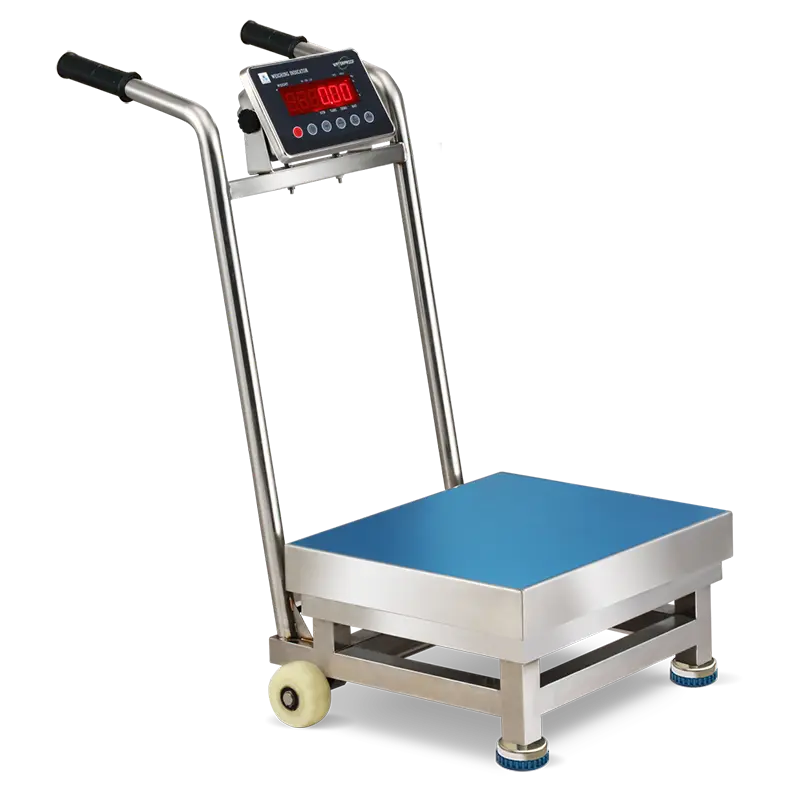
Waterproof scales are designed for places where ordinary weighing equipment would struggle or fail. They keep measurements accurate, operations smooth, and teams confident, even when conditions are far from ideal. Let’s take a closer look at how these scales perform in tough environments and why they matter more than many people realise.
Built to Handle Real-World Conditions
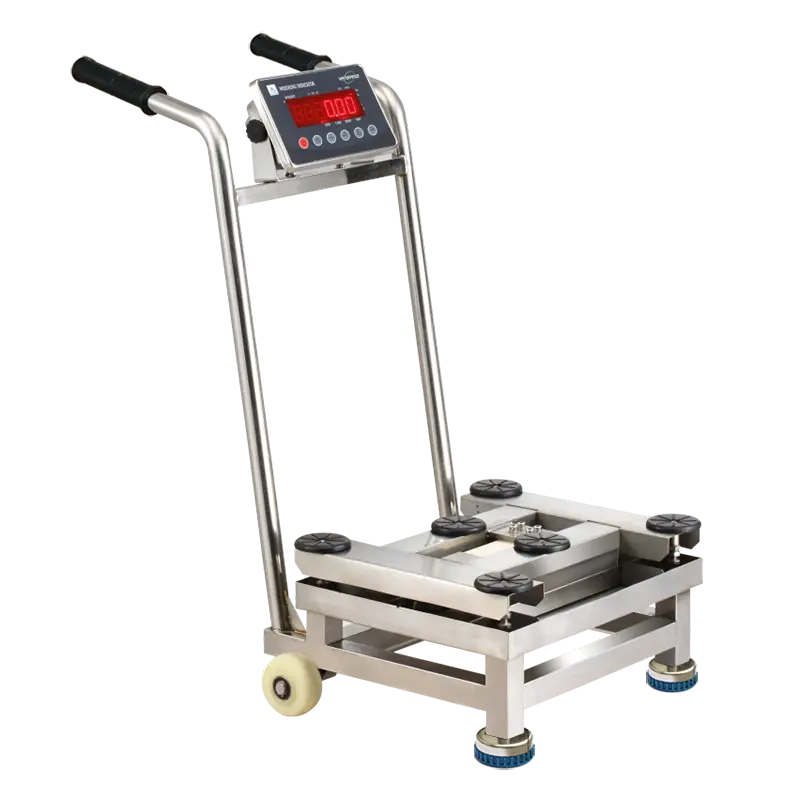
Waterproof scales are not simply standard scales with extra casing. They are engineered from the inside out to resist moisture, dust, and frequent cleaning. Sealed electronics, corrosion-resistant materials, and protective housings ensure that water does not interfere with sensitive components.
In food processing facilities, for example, hygiene rules require frequent washdowns. A regular scale may malfunction after repeated exposure to water, leading to downtime and costly repairs. Waterproof scales, on the other hand, are made to handle this routine. They continue to function reliably, even after daily cleaning cycles.
This resilience allows teams to focus on their work rather than worrying about protecting equipment from its surroundings.
Accuracy That Stays Consistent
One of the biggest concerns in challenging environments is whether accuracy can be maintained over time. Moisture, temperature changes, and dust can all affect weighing results if equipment is not designed properly.
Modern waterproof scales use advanced load cell technology that remains stable despite environmental stress. Whether used in a chilled storage area, a humid warehouse, or an outdoor setting, these scales deliver consistent readings. This reliability is crucial for industries where even small measurement errors can lead to waste, compliance issues, or customer dissatisfaction.
Over time, consistent accuracy builds trust—not just in the equipment, but in the entire process.
Everyday Uses Across Multiple Industries
Waterproof scales are widely used across sectors where tough conditions are part of daily operations. In fisheries and meat markets, water exposure is constant. In agriculture, equipment often faces rain, mud, and dust. Chemical and pharmaceutical facilities also rely on waterproof designs to prevent damage from spills and vapours.
Even smaller operations benefit. A local food distributor, for instance, may use waterproof scales in cold rooms where condensation is unavoidable. By choosing the right equipment, they avoid breakdowns and ensure smooth daily operations.
No matter the scale of the business, the goal remains the same: dependable weighing without unnecessary interruptions.
Understanding Hazardous Area Weighing
Some environments are not just wet or dusty—they are potentially dangerous. This is where hazardous area weighing becomes an important consideration.
Hazardous area weighing refers to the use of specially designed weighing equipment in locations where flammable gases, vapours, dust, or chemicals may be present. Industries such as oil and gas, chemical manufacturing, paint production, and grain processing often fall into this category.
In these settings, standard electrical equipment can pose serious risks. Even a tiny spark can trigger an accident. Scales designed for hazardous area weighing are built to strict safety standards and certified to prevent ignition. They control heat, eliminate sparks, and reduce static discharge.
When hazardous area weighing is combined with waterproof features, the result is a highly specialised solution. These scales provide accurate measurements while protecting people, facilities, and products in environments where safety cannot be compromised.
Long-Term Value Beyond Durability
While waterproof scales may seem like a higher upfront investment, their long-term value quickly becomes clear. Reduced maintenance, fewer breakdowns, and longer service life all contribute to lower operating costs over time.
There is also a productivity benefit. When staff trust their equipment, workflows improve. There is no need to stop operations due to minor spills or environmental changes. The scale simply does its job, shift after shift.
This reliability supports compliance, improves efficiency, and reduces stress across teams.
Choosing the Right Waterproof Scale
Selecting the right waterproof scale depends on how it will be used. Factors such as capacity, readability, platform size, and IP rating all play a role. If the scale will be used in hazardous zones, certification is essential.
It’s also worth considering how the scale fits into daily routines. Easy cleaning, clear displays, and stable performance all contribute to a smoother experience for operators.
Making the right choice ensures that the scale supports operations rather than becoming a point of concern.
Final Thoughts
In tough environments, weighing should never be a source of worry. Waterproof scales are designed to take on the challenges that ordinary equipment cannot handle. From wet production floors to high-risk industrial zones, they deliver accuracy, safety, and peace of mind.
By choosing dependable solutions from Scales and Balances, businesses can ensure that their weighing processes remain reliable, even when conditions are at their toughest. Because when equipment is built for reality, performance follows naturally.