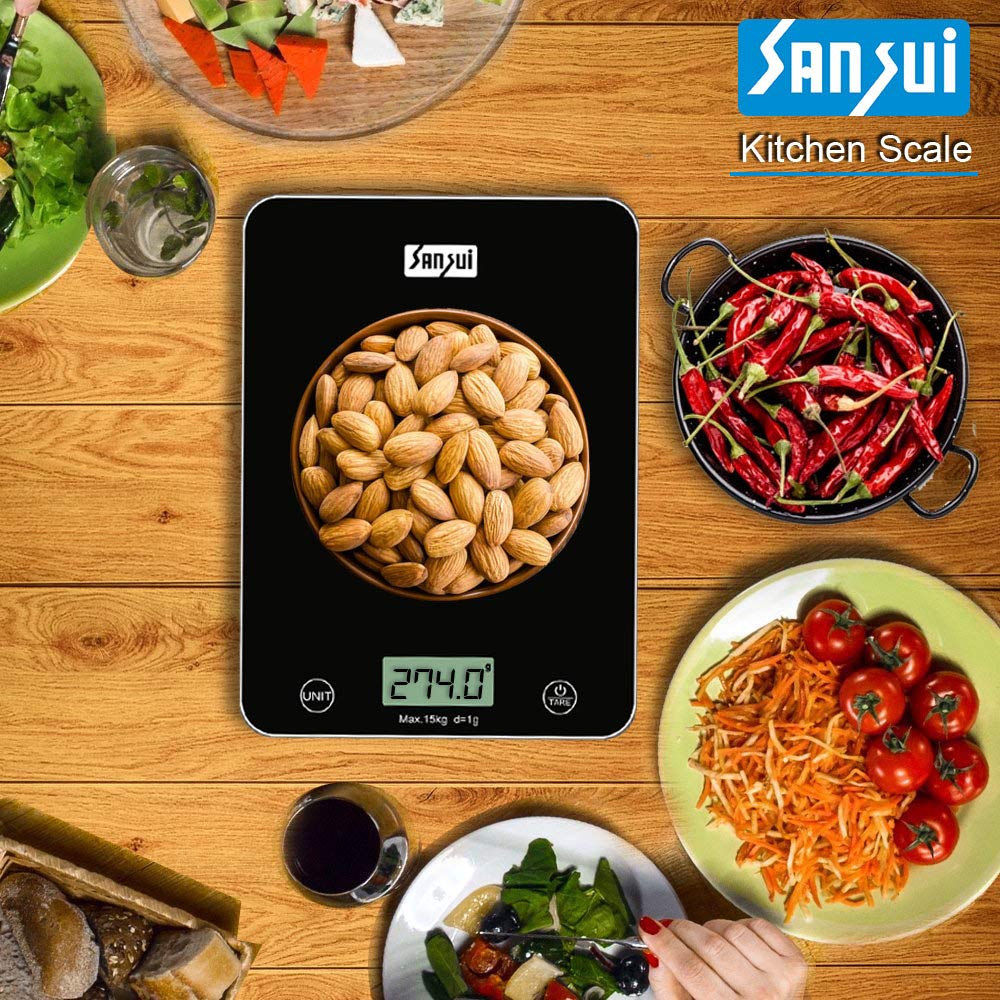
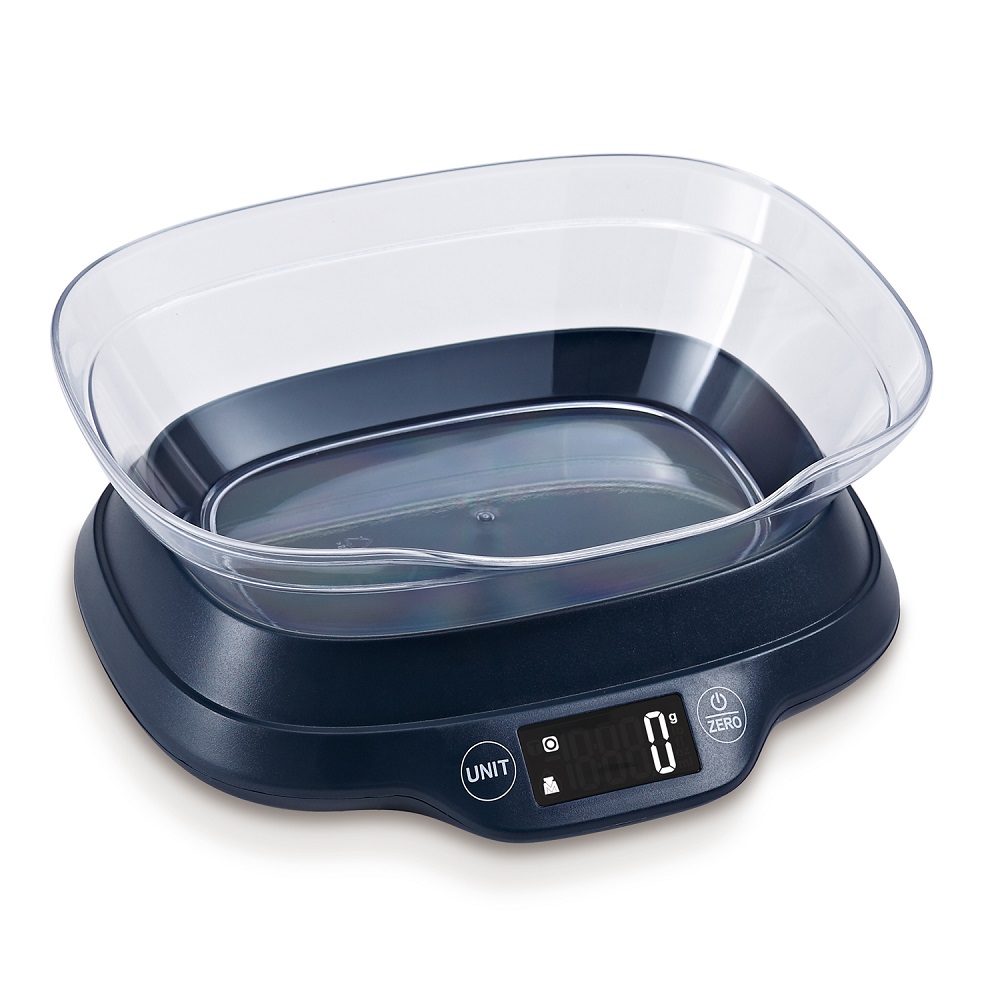
Maintaining a healthy diet isn’t just about choosing the right foods—it’s also about eating the right amounts. Portion sizes are often underestimated, leading to overeating, weight gain, or unbalanced nutrition. A kitchen scale is a simple yet powerful tool that can help you control portions, make healthier choices, and take the guesswork out of meal planning.
1. Understand True Portion Sizes
Many people rely on visual estimates for serving sizes, but these can be misleading. A handful of pasta, a scoop of rice, or a slice of meat may look small but can contain more calories than expected. Using a kitchen scale allows you to measure exact portions, helping you stay within your daily nutritional goals.
2. Track Calories and Nutrients Accurately
For anyone following a calorie-controlled diet or monitoring macros, precision matters. Weighing ingredients on a kitchen scale provides accurate data for calculating:
- Calories
- Protein, carbohydrate, and fat content
- Vitamins and minerals
This ensures your meals align with your health goals and dietary plans.
3. Support Balanced Meal Prep
Meal prepping is easier and more effective when portions are consistent. By weighing ingredients, you can:
- Divide meals evenly for multiple days
- Ensure each meal meets nutritional requirements
- Avoid accidental over- or under-serving
Consistent portion sizes help maintain energy levels and avoid unnecessary snacking.
4. Prevent Overeating
Even healthy foods can contribute to excess calories if portions are too large. A kitchen scale makes it easy to control serving sizes of everything from grains and proteins to oils and nuts. Over time, this develops mindful eating habits and helps manage weight naturally.
5. Simplify Recipe Adjustments
When following recipes, a kitchen scale allows you to adjust portions accurately without compromising taste or texture. This is especially helpful if you’re cooking for one or two people, or scaling a recipe to fit dietary needs.
6. Reduce Food Waste
Measuring portions precisely ensures you only prepare what you need. This reduces leftovers and waste, saving money and making your kitchen more sustainable.
Conclusion
Using a kitchen scale to control portions is a practical and effective strategy for healthier eating. It ensures accurate serving sizes, supports meal prep, prevents overeating, and helps track nutritional intake. By incorporating this simple tool into your daily routine, you can make better food choices, maintain balance, and achieve your health goals—one measured meal at a time.