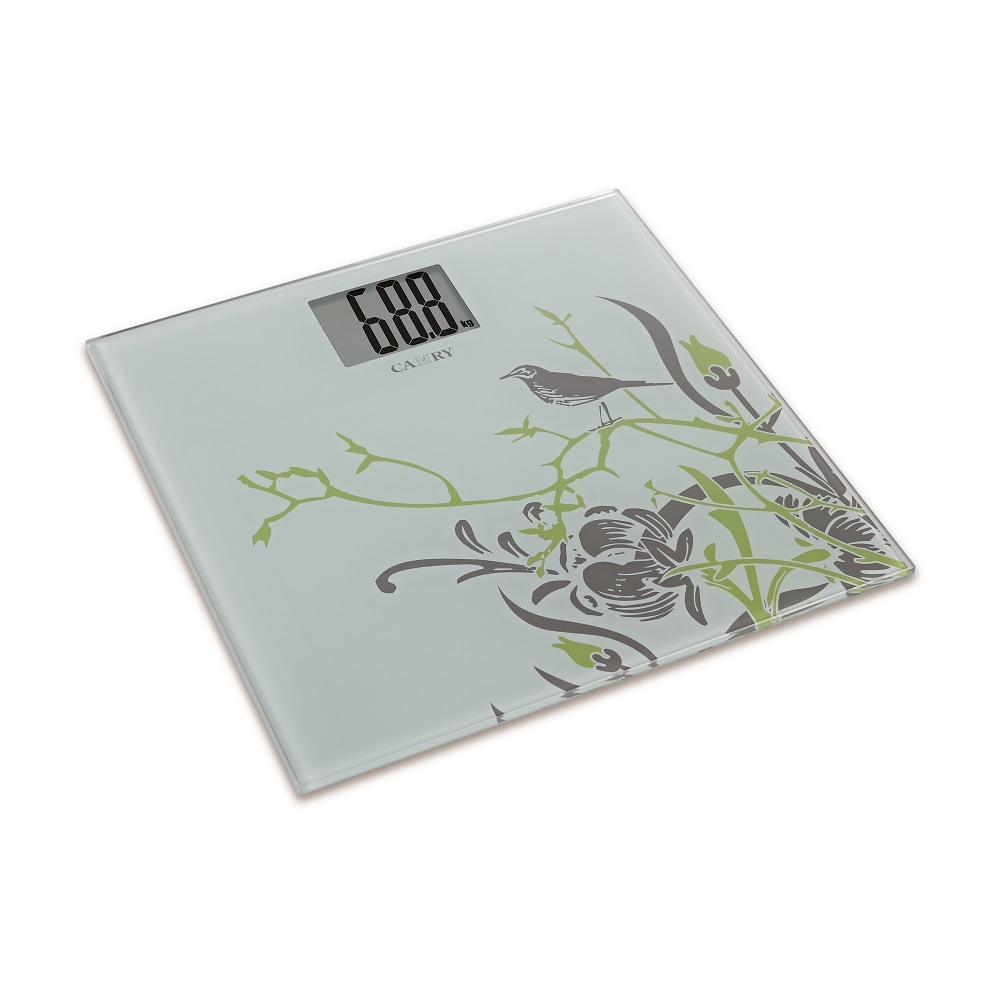
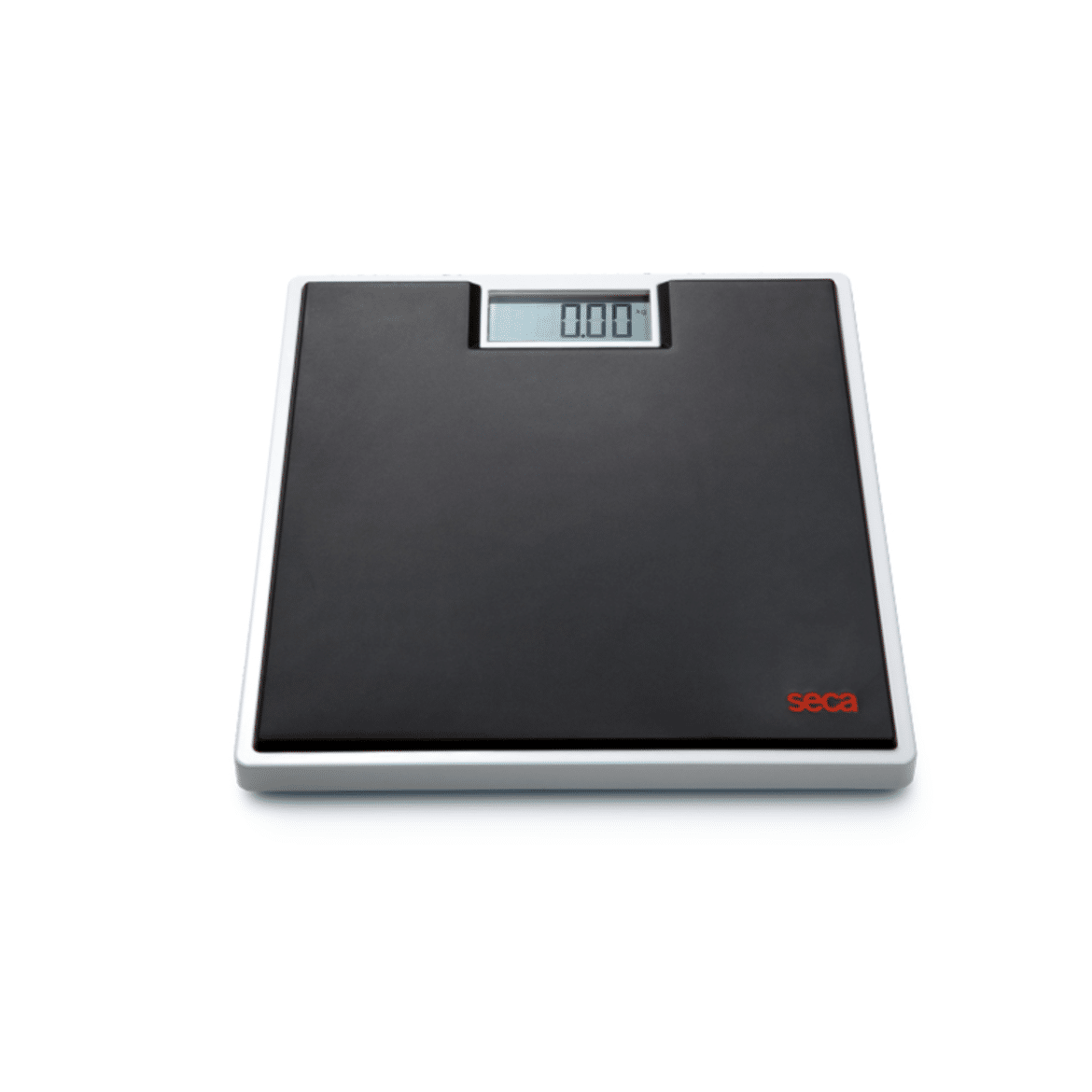
Bathroom scales are no longer just simple tools to measure weight—they have evolved into devices that can track body composition, sync with apps, and provide insights into your health. With so many types available, it can be confusing to know which scale is right for your home. Here’s a guide to understanding the main types of bathroom scales and what they offer.
1. Analog (Mechanical) Scales
Analog scales are the traditional type, using a system of springs and levers to measure weight.
Features and Benefits:
- No Batteries Needed: Works without electricity or batteries.
- Simple and Durable: Easy to use and long-lasting.
- Affordable: Usually less expensive than digital models.
Limitations:
- Less precise than digital scales.
- Limited features—only shows weight.
- May require manual calibration over time.
Analog scales are ideal for people who want a simple, reliable option without extra features.
2. Digital Scales
Digital scales use electronic sensors to measure weight and display it on an LCD or LED screen.
Features and Benefits:
- High Accuracy: Measures weight down to 0.1 kg or 0.2 lbs.
- Additional Features: Some models track BMI, store multiple user profiles, and sync with smartphone apps.
- Easy to Read: Backlit displays are clear and visible.
Limitations:
- Requires batteries or charging.
- More expensive than basic analog scales.
- Sensitive to placement and handling.
Digital scales are perfect for those who want precision and additional health-tracking features.
3. Smart Scales
Smart scales are a type of digital scale with connectivity features. They can sync your data with smartphones, tablets, or fitness apps.
Features and Benefits:
- Body Composition Analysis: Measures body fat, muscle mass, water percentage, and sometimes bone mass.
- Multiple User Profiles: Tracks the weight and health data of different family members.
- Trend Tracking: Helps monitor long-term progress and fitness goals.
Limitations:
- Higher cost than standard digital or analog scales.
- Dependent on apps and connectivity.
- Accuracy may vary for body composition measurements.
Smart scales are ideal for tech-savvy users and families who want detailed insights into health and fitness.
4. High-Capacity Scales
Some scales are specifically designed to support higher weight limits, often up to 200 kg (440 lbs) or more.
Features and Benefits:
- Stronger Construction: Built with reinforced platforms and durable sensors.
- Accurate for Heavy Users: Ensures precise readings for all household members.
Limitations:
- Can be larger and heavier.
- Usually more expensive than standard scales.
High-capacity scales are perfect for households with heavier users or anyone who wants extra durability.
5. Specialty Scales
There are also niche scales designed for specific purposes:
- Baby Scales: For weighing infants safely and accurately.
- Pet Scales: For monitoring pet weight and health.
- Bathroom Scales with Step-On Technology: Automatically powers on when stepped on, for convenience.
Choosing the Right Scale
When selecting a bathroom scale, consider:
- Purpose: Do you just need weight, or detailed body composition?
- Household: Will multiple users need profiles?
- Budget: Digital and smart scales cost more but offer more features.
- Space & Design: Consider size, platform stability, and aesthetic fit for your bathroom.
Final Thoughts
Bathroom scales come in a variety of types, each with its own strengths and limitations. Whether you prefer a simple analog scale, a high-tech smart scale, or something specialized, understanding the differences helps you pick the one that fits your lifestyle and health goals. Choosing the right scale ensures accurate measurements and makes tracking your health easier and more enjoyable.