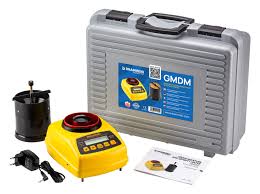
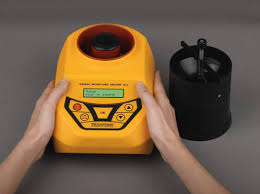
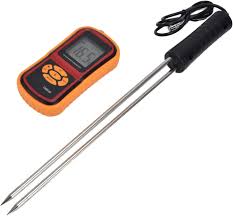
For farmers and grain handlers, knowing the moisture content of harvested crops is essential for maintaining quality, preventing spoilage, and maximizing profits. Moisture levels affect storage life, market value, and the overall health of your grain. Understanding moisture readings for wheat, corn, rice, barley, and other grains is a key step toward smarter, more efficient farming.
Why Moisture Content Matters
Grain moisture content is the percentage of water in the harvested crop. It directly impacts:
- Storage Stability: High moisture grains are prone to mold, fungal growth, and insect infestation.
- Weight and Yield: Over-dried grains can lose weight, reducing overall revenue.
- Market Compliance: Buyers and processors often have strict moisture standards; grain outside acceptable ranges can be penalized.
For example:
- Wheat is usually best stored at 12-14% moisture.
- Corn is optimal at 15% moisture.
- Rice typically stores safely at 12-14% moisture, depending on variety.
Understanding these ranges ensures grain remains safe and market-ready.
How Moisture Readings Work
Moisture meters are devices that measure the water content of grains using one or more techniques:
- Electrical Resistance/Conductivity: Measures how easily electricity passes through grain; higher moisture conducts electricity better.
- Capacitance Measurement: Detects changes in electrical properties due to moisture, providing quick readings.
- Near-Infrared (NIR) Technology: Uses light absorption to accurately estimate water content, often in automated systems.
Modern smart meters also include digital displays, data logging, and mobile connectivity, making it easy to track moisture trends over time.
Interpreting Moisture Readings
When using a moisture meter, consider the following:
- Grain Type: Different grains have different optimal moisture ranges. Always select the appropriate calibration.
- Sample Size: Test multiple samples from various parts of the storage or harvest batch to get an accurate average.
- Temperature Influence: Grain temperature can slightly affect readings; some meters adjust automatically.
- Post-Harvest Handling: After drying or cooling, retest the grain before storage to ensure correct moisture levels.
Tips for Accurate Measurements
- Calibrate your meter regularly according to the manufacturer’s instructions.
- Mix samples well before testing to get representative readings.
- Avoid extreme conditions such as very hot or wet grain, which may skew results.
- Record readings to monitor moisture trends and make informed storage decisions.
Conclusion
Understanding moisture readings in wheat, corn, and other grains is crucial for every farmer and grain handler. Accurate measurements protect grain from spoilage, ensure compliance with market standards, and maximize profit. By using reliable moisture meters and interpreting readings correctly, farmers can make smarter, data-driven decisions that safeguard their harvests and improve long-term efficiency.