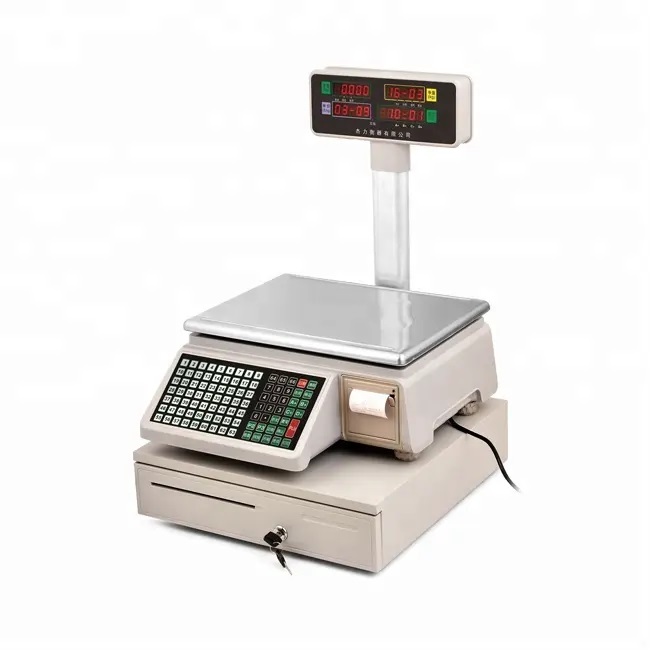
In retail environments where products are sold by weight, accuracy and efficiency are essential. Barcode weighing scales and label printers combine precise measurement with automated labeling to streamline operations, reduce errors, and improve customer satisfaction. This article explains how these systems work and why they are a key part of modern retail.
1. What Are Barcode Weighing Scales and Label Printers?
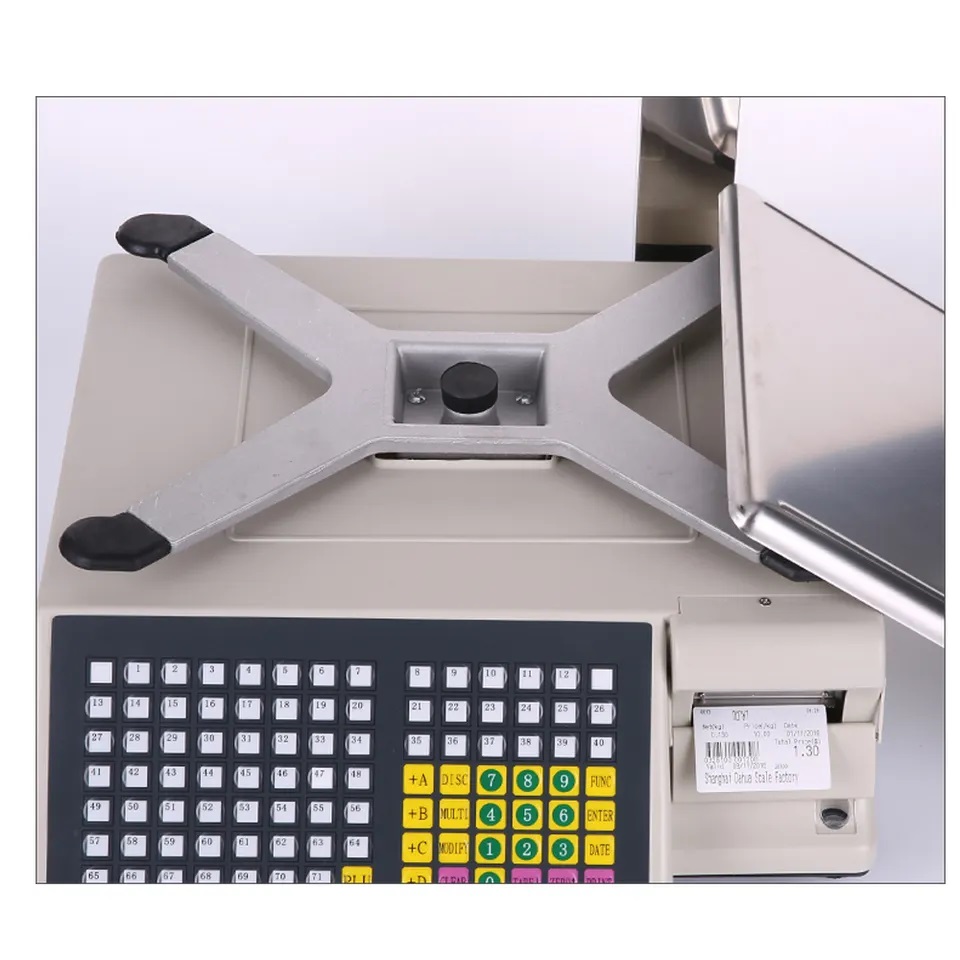
Barcode weighing scales measure the weight of an item and automatically calculate its price based on preset unit pricing. Label printers then produce a barcode label that includes essential product details such as weight, price, product name, and a scannable barcode.
These systems may be fully integrated or consist of a scale connected to a separate label printer.
2. How Do They Work?
The typical process includes:
- Placing the product on the scale
- Measuring its weight accurately
- Calculating the price automatically
- Printing a barcode label
- Scanning the item at checkout
This automated workflow eliminates manual calculations and handwritten labels.
3. Where Are Barcode Weighing and Labeling Systems Used?
They are commonly used in:
- Supermarkets and grocery stores
- Produce sections
- Butcher shops and fishmongers
- Delicatessens and bakeries
- Food preparation and packaging areas
Any business selling goods by weight can benefit from these systems.
4. Key Benefits for Retailers
Improved Accuracy
Automated weighing and pricing reduce human error and ensure customers are charged correctly.
Faster Checkout
Pre-labeled items scan instantly, speeding up transactions and reducing queues.
Better Inventory Control
Barcode data integrates with POS systems for accurate stock tracking and reporting.
Regulatory Compliance
Clear, accurate labels help meet weights and measures and pricing regulations.
Enhanced Customer Trust
Transparent labels build confidence and reduce pricing disputes.
5. Types of Barcode Weighing Scales and Label Printers
- Countertop scales for service counters
- Self-service produce scales
- Standalone label printers for high-volume operations
- Networked systems integrated with POS software
6. Choosing the Right System
When selecting barcode weighing scales and printers, consider:
- Accuracy and capacity requirements
- Label size and print quality
- Integration with existing POS systems
- Ease of use and staff training
- Maintenance and support availability
Conclusion
Barcode weighing scales and label printers are essential tools for retailers selling products by weight. By combining accurate measurement with automated labeling and POS integration, they improve efficiency, accuracy, and compliance while enhancing the customer experience. Understanding how these systems work helps retailers make informed decisions and build more efficient operations.