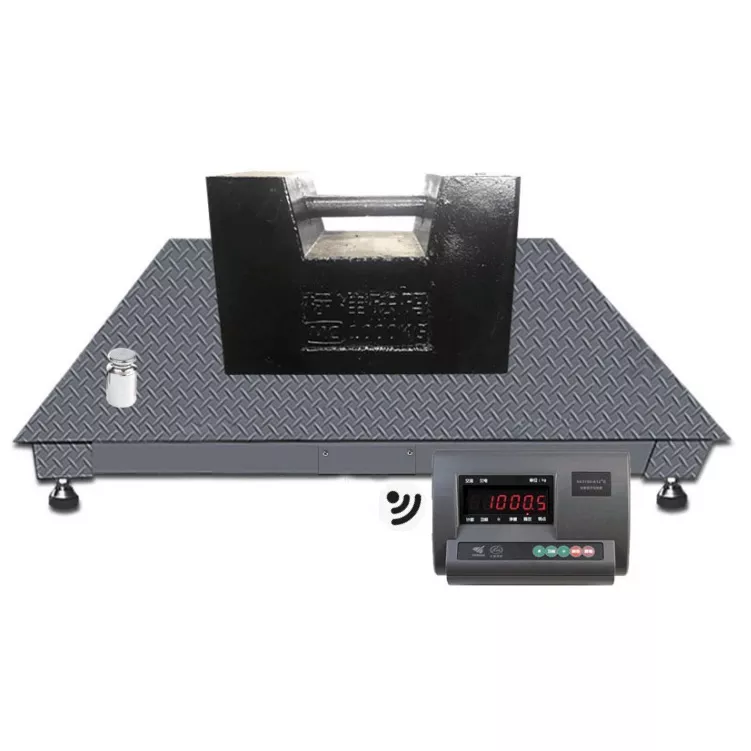
In 2026, factory weighing systems have shifted from simple "weight-on-a-screen" tools to connected data hubs that drive Industry 4.0 automation. For a modern factory, the "system" typically includes the weighing hardware, a digital indicator/controller, and software that integrates with your ERP (SAP/Oracle).
+1
1. Core Types of Factory Weighing Systems
A. Static Platform & Floor Systems
The most common type for bulk materials and logistics.
- Low-Profile Floor Scales: Designed for pallet jacks to roll on easily.
- Pit-Mounted Scales: Installed flush with the floor; ideal for heavy forklift traffic or high-volume areas where surface space is limited.
- U-Frame & Weigh Beams: Best for weighing long, oversized, or irregularly shaped machinery.
B. Automated & In-Motion Systems (Industry 4.0)
These systems weigh items without stopping the production line.
- Checkweighers: High-speed scales on conveyor belts that automatically reject underweight or overweight packages.
- Belt Scales: Integrated into continuous conveyor lines to measure the flow rate of raw materials (common in mining, food, and cement).
- Dynamic Axle Scales: For factories with internal vehicle logistics, weighing trucks in motion as they enter or exit the yard.
C. Tank, Silo, and Hopper Weighing
Instead of moving materials to a scale, the scale is integrated into the storage.
- Weigh Modules: Load cells are installed under the legs of a tank or silo.
- Batching Systems: Controllers that automatically open and close valves based on weight, ensuring precise "recipes" for chemical or food production.
2. Smart Connectivity (The 2026 Standard)
A factory system is only as good as its data. Modern systems now feature:
- Cloud Data Logging: Weight data is sent via Wi-Fi or 5G to a central dashboard for real-time inventory tracking.
- PLC/SCADA Integration: Most industrial indicators use protocols like Profinet, Ethernet/IP, or Modbus to talk directly to factory robots and control systems.
- Predictive Maintenance: Smart load cells can now alert maintenance teams if they detect "drift" or mechanical stress before the scale fails.
3. Top Systems Manufacturers for 2026
|
Manufacturer |
Specialty |
Best For |
|
Mettler Toledo |
Precision & Software |
Pharma, Food, High-Tech Labs |
|
Avery Weigh-Tronix |
Industrial Durability |
Logistics, Waste, Heavy Manufacturing |
|
Rice Lake |
Heavy-Duty Static Scales |
Construction, Metal, Bulk Storage |
|
Minebea Intec |
Automated Inspection |
Process Automation & Checkweighing |
|
Gram Group |
Modular/Flexible Systems |
Diverse manufacturing with high connectivity needs |
4. Key Factors for Factory Deployment
- Hazardous Areas (ATEX): If you handle dust or gas (chemicals/flour), you must use Intrinsically Safe (Ex-rated) scales to prevent sparks.
- Hygienic Design: For food and pharma, look for IP69K rated stainless steel systems that can survive high-pressure steam cleaning.
- Legal-for-Trade: If you sell products by the weight measured (e.g., a 1kg bag of sugar), the system must be NTEP or OIML certified.