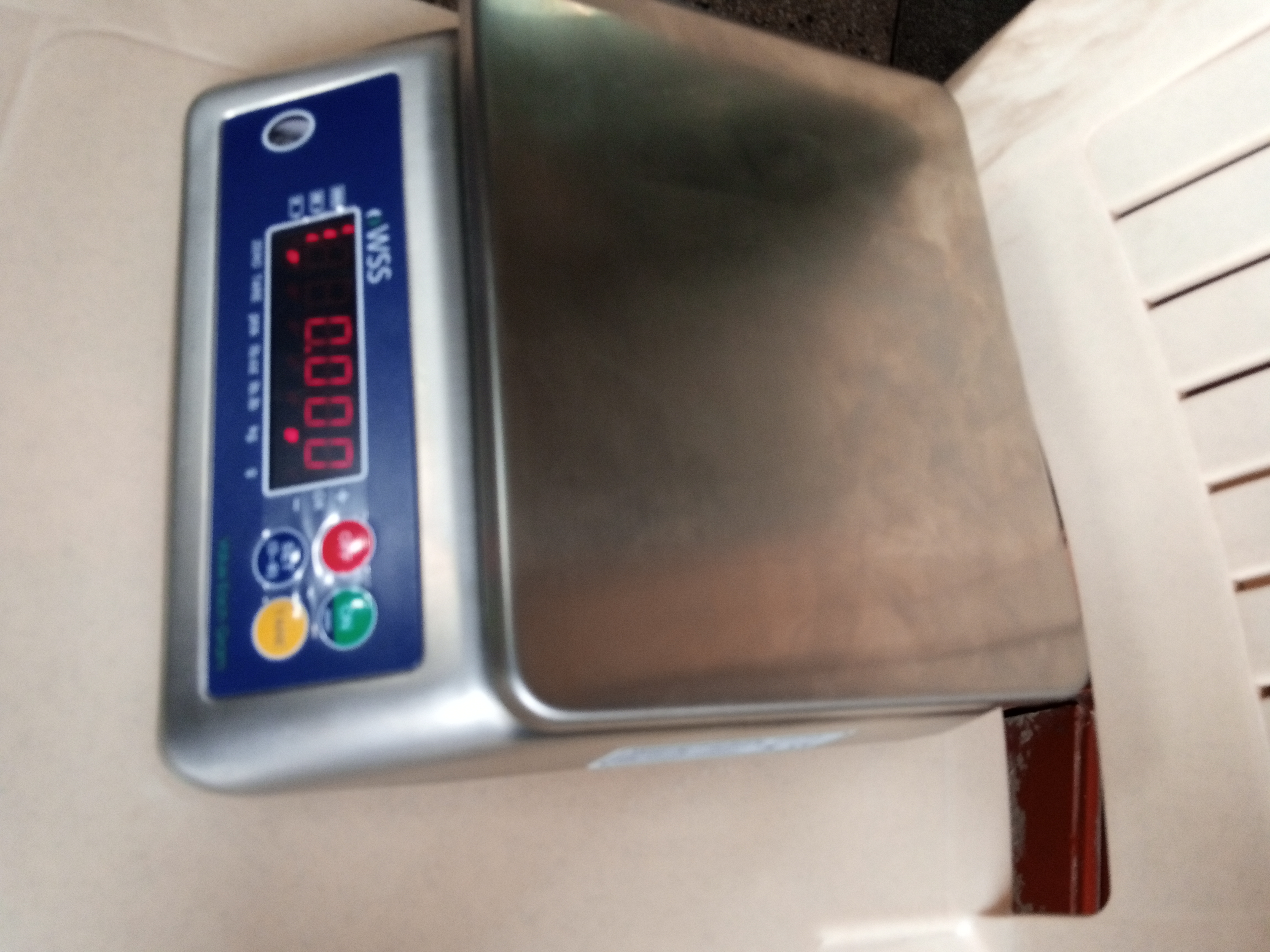
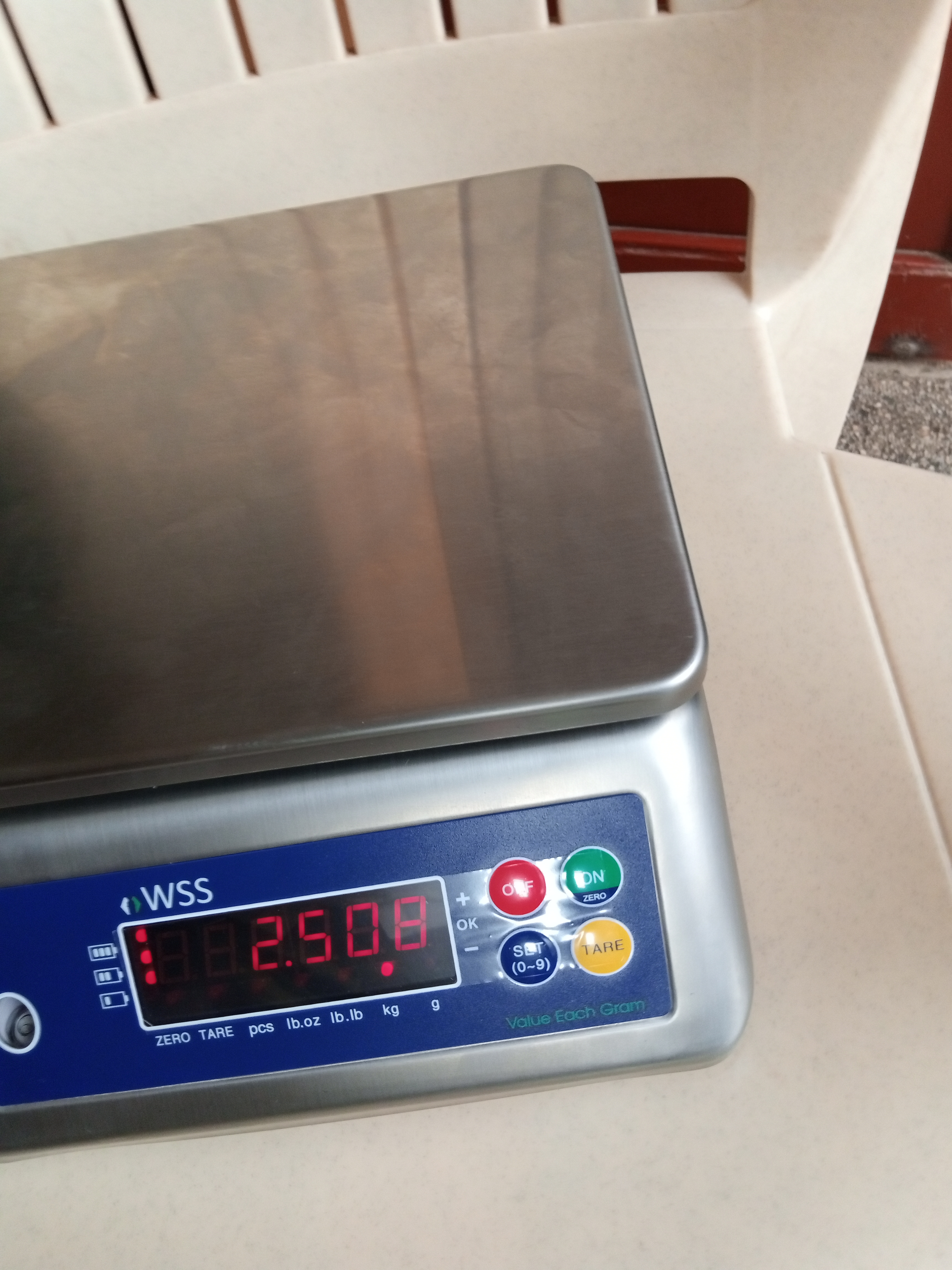
Choosing a waterproof weighing scale can be tricky, especially if your business operates in wet, wash-down, or hygienic environments. While the term “waterproof” sounds simple, many buyers make costly mistakes that lead to equipment failure, inaccurate weighing, unexpected replacements, or compliance issues. To help you invest wisely, here are the top mistakes to avoid when selecting waterproof scales — and how to make the right choice for your needs.
1. Assuming “Waterproof” Means All-Around Protection
Just because a scale is marketed as “waterproof” doesn’t mean it can handle every wet environment. Waterproofing is graded, typically by an IP (Ingress Protection) rating.
- IP65 protects against low-pressure water jets
- IP67 resists temporary water immersion
- IP68 stands up to continuous immersion
If you choose a scale without checking its IP rating, you might end up with equipment that fails in heavy washdowns or wet industrial conditions. Always confirm the exact IP rating to match your application.
2. Overlooking Where the Waterproofing Actually Applies
A common mistake is buying a scale where only part of it is waterproof — for example, the platform but not the load cell, display, or electronics. If moisture reaches unprotected components, the scale can fail quickly.
Tip:
Choose models where the load cell, display, and electronics are also sealed to the same IP rating as the platform.
3. Ignoring Materials and Build Quality
Some buyers think any “water-resistant” material will do. But cheaper plastic housings or low-grade metals can rust or fail fast in humid or wet industrial environments.
Best practice:
Look for stainless steel construction (e.g., SS304 or higher) and sealed housings that resist corrosion, chemicals, and frequent cleaning.
4. Choosing Based on Price Alone
It’s tempting to pick the cheapest waterproof scale, but this often backfires.
Low-cost scales may:
- Lack real waterproof protection
- Use inferior load cells
- Fail calibration easily
- Have poor build quality
A cheap scale could result in higher long-term costs due to repairs, downtime, or frequent replacements. Always balance price with durability and features.
5. Not Considering Your Environment and Usage Conditions
Different workplaces have different stressors — steam, high-pressure washdowns, chemicals, dust, and temperature shifts. Choosing a scale that doesn’t match your environment can lead to premature damage and inaccurate readings.
Pro tip:
Assess where the scale will operate — and pick one engineered for those specific conditions.
6. Forgetting Calibration and Long-Term Maintenance Needs
Many buyers overlook the ongoing importance of calibration and maintenance. Even high-quality waterproof scales require regular calibration to stay accurate and compliant.
Ask yourself:
- Is the scale easy to calibrate?
- Does the model support certified calibration weights?
- What are the maintenance requirements?
Ignoring this can lead to measurement drift, compliance issues, or inaccurate results.
7. Neglecting Connectivity and Integration Options
Modern operations — especially industrial and commercial environments — often need scales that connect to computers, inventory systems, or printers.
Failing to consider connectivity (USB, RS-232, Wi-Fi, Bluetooth) can limit the scale’s usefulness and add manual data-entry errors.
8. Failing to Check Warranty and After-Sales Support
Scales are long-term investments. If something goes wrong — or calibration is needed — good after-sales support can save time and money.
Before buying, check:
- Warranty coverage
- Availability of local service
- Spare parts accessibility
Weak after-sales support can turn a good purchase into a headache later.
9. Skipping Legal & Compliance Checks
If your scale is used for commercial transactions or regulatory compliance (e.g., food safety audits), you may need models that are legal-for-trade or certified. Skipping this step could lead to fines or failed inspections.
Always confirm whether your industrys regulations require certified weighing equipment.
Conclusion
Avoiding these common mistakes will help you choose a waterproof scale that lasts longer, performs reliably, and fits your unique business needs. Take time to evaluate IP ratings, build quality, calibration support, connectivity, and after-sales service — and don’t let price be the only deciding factor.