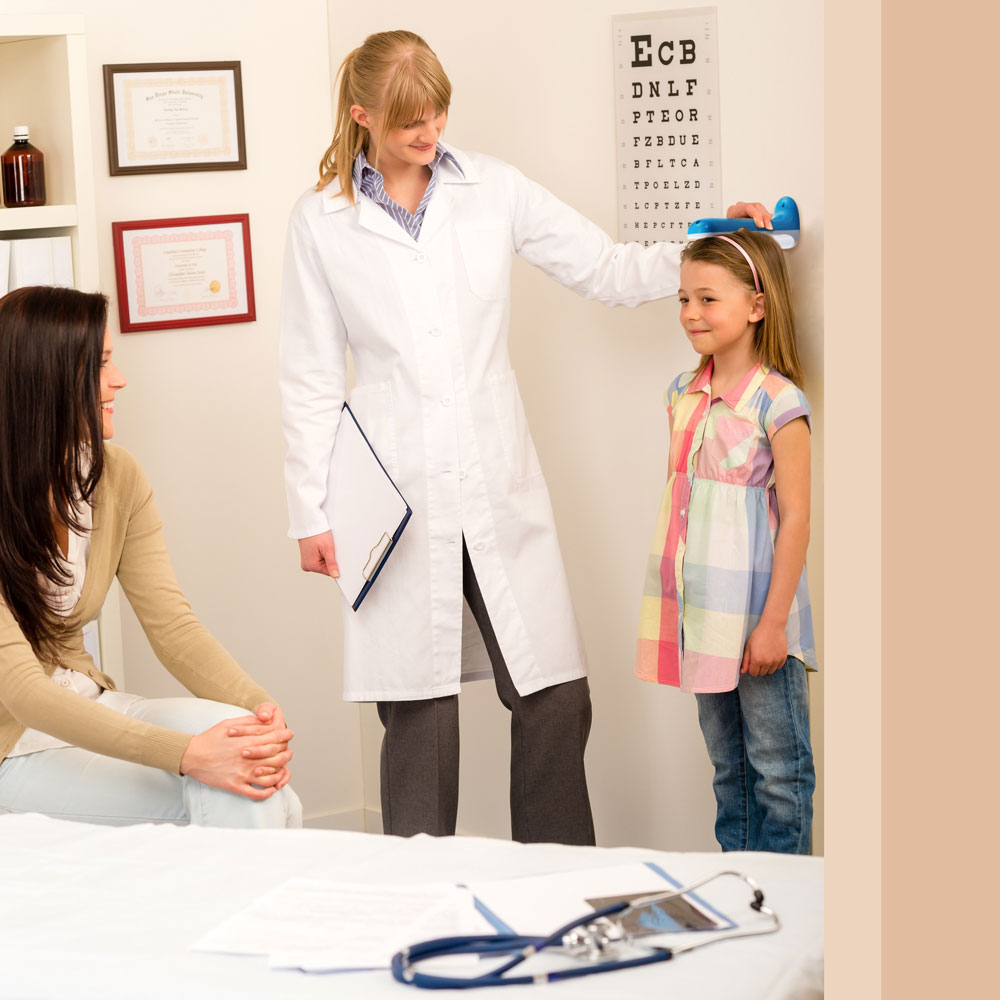
medical digital scales have largely shifted toward "all-in-one" health stations. For hospital and clinical environments, these devices are required to meet Class III Medical Approval to ensure the precision needed for diagnostic use and dosage calculations.
1. Top Hospital-Grade Digital Scales (2026)
|
Model |
Type |
Capacity |
Height Rod |
Key Feature |
|
Seca 777 |
Column Scale |
250 kg |
Mechanical |
The Professional Standard. Full-metal, tilt-proof base; EMR-ready via USB. |
|
Seca 284 |
360° Wireless |
300 kg |
Ultrasonic |
Touchless Height. Uses sound waves for 100% hygienic height measurement. |
|
Health O Meter 500KL |
Physician Scale |
227 kg |
Mechanical |
Most Common. Found in most US clinics; features a 2-minute "Hold" for easier recording. |
|
Detecto Solo |
Eye-Level Scale |
250 kg |
Mechanical |
High Value. Economic but robust; includes BMI calculation and 1-inch LCD display. |
|
Kern MPN-HM |
IoT Hospital |
300 kg |
Mechanical |
Smart Hospital. Integrated Wi-Fi/Bluetooth for direct EMR data transmission. |
2. Core Clinical Features
- Automated BMI: By entering or measuring height, these scales instantly calculate Body Mass Index ($kg/m^2$), appearing on the digital display alongside weight and height.
- EMR Integration: Modern scales feature HL7 compatibility (Health Level Seven). This allows weight and height data to be pushed directly into a patient’s electronic file via USB, Wi-Fi, or Bluetooth, eliminating manual entry errors.
- Mother/Child Function: A specialized Tare mode. A nurse or parent can be weighed first, the scale "zeros" out, and then the baby is handed to them to get the infant's weight only—ideal for distressed children.
- Motion Sensing (Damping): Clinical scales use a "dynamic weighing" algorithm. It averages the weight of a patient who cannot stand perfectly still, such as someone with tremors or a wiggly child.
3. Advanced Height Measurement in 2026
- Mechanical Rods: Still the most reliable for long-term use. Look for eye-level displays where the measurement is read at the top of the column, not down at the feet.
- Ultrasonic Sensors: These are becoming the hospital standard for speed. The patient simply stands on the platform, and a sensor above their head measures the distance instantly with 1 mm precision. No physical bar touches the patient, making it highly hygienic.
4. Safety & Sanitation
The Base: Hospital-grade scales must have a low-profile, wide platform. This prevents tripping for elderly or bariatric patients.
Cleaning: Look for ABS plastic or powder-coated aluminum. These materials are resistant to the aggressive, high-alcohol disinfectants used in daily hospital rounds.
5. Why Precision Matters
For hospital use, a scale must typically have a "graduation" or "resolution" of 100g (0.1kg). While consumer smart scales (like Withings or Etekcity) are great for home trends, they lack the Class III Medical Certification required for legal clinical documentation and medication dosing.