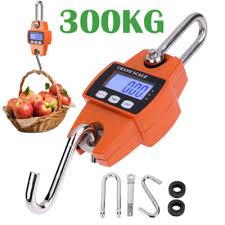
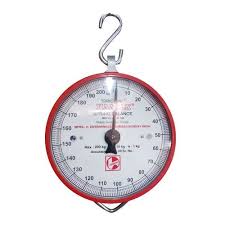
Choosing the right crane scale is essential for safe, accurate, and efficient lifting operations. With a wide range of crane scales available—from basic mechanical models to advanced digital and wireless solutions—it’s important to understand which features truly matter for your application.
This guide highlights the top features to look for in a crane scale to help you make a confident, informed decision.
1. Accurate and Reliable Load Measurement
⚖️ Why It Matters
Accuracy is the primary function of any crane scale. Inaccurate readings can lead to overloading, safety risks, and costly operational errors.
What to Look For:
- High-quality load cell technology
- Clear accuracy specifications (e.g. ±0.1% of reading)
- Consistent repeatability over time
2. Appropriate Weight Capacity
🏗️ Why It Matters
Using a crane scale outside its rated capacity can damage the scale and create serious safety hazards.
What to Look For:
- Capacity that exceeds your maximum load requirements
- A suitable safety margin for unexpected load variations
- Options for light-, medium-, or heavy-duty applications
3. Durable and Robust Construction
🛠️ Why It Matters
Crane scales are often used in harsh industrial environments where impact, dust, and moisture are common.
What to Look For:
- Rugged housing materials
- Impact-resistant and corrosion-resistant components
- Protective design for internal electronics
4. Clear and Easy-to-Read Display
👁️ Why It Matters
Operators must be able to read weight measurements quickly and accurately—often from a distance.
What to Look For:
- Bright LED or LCD displays
- Large digits for visibility in low light
- Stable readings with minimal fluctuation
5. Wireless or Remote Viewing Capability
📡 Why It Matters
Wireless crane scales allow operators to view readings from a safe distance, reducing the need to stand under suspended loads.
What to Look For:
- Bluetooth, RF, or Wi-Fi connectivity
- Handheld or remote displays
- Reliable signal range for your work environment
6. Safety Features and Alerts
⚠️ Why It Matters
Built-in safety features help prevent accidents and equipment damage.
What to Look For:
- Overload warnings or alarms
- Peak hold functions
- Automatic shut-off or protection systems
7. Easy Calibration and Maintenance
🔧 Why It Matters
Regular calibration is essential to maintain accuracy and compliance.
What to Look For:
- Simple on-site calibration procedures
- Clear calibration instructions
- Compatibility with certified test weights
8. Battery Life and Power Efficiency
🔋 Why It Matters
For digital crane scales, power reliability is crucial to uninterrupted operation.
What to Look For:
- Long-lasting rechargeable batteries
- Low-power consumption modes
- Battery level indicators
9. Data Logging and System Integration
📊 Why It Matters
Modern operations benefit from accurate data tracking and reporting.
What to Look For:
- Built-in data storage
- Export options for reports
- Compatibility with warehouse or ERP systems
10. Warranty and After-Sales Support
🧾 Why It Matters
Reliable support ensures long-term performance and peace of mind.
What to Look For:
- Clear warranty terms
- Access to replacement parts
- Responsive technical support
Conclusion
The best crane scale isn’t defined by one feature alone—it’s the combination of accuracy, capacity, durability, safety, and usability that delivers reliable performance. By focusing on these key features, you can choose a crane scale that not only meets your operational needs but also enhances safety, efficiency, and long-term value.
Investing in the right crane scale ensures confidence in every lift—and supports smarter, safer industrial operations.