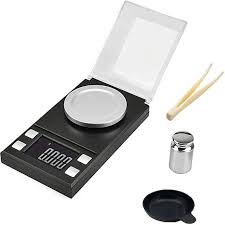
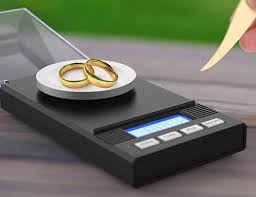
In the jewelry and gemology industry, precision is everything. The weight of a gemstone directly impacts its value, pricing, and appraisal. Mineral jewelry scales are essential tools for accurate measurement, but even the best scales require proper use and care. Here are key tips to ensure you get the most precise readings every time.
1. Place the Scale on a Stable Surface
Accuracy begins with placement. Always set your scale on a flat, stable, and vibration-free surface. Avoid areas with drafts, direct sunlight, or heat sources, as environmental factors can affect sensor performance and lead to inconsistent readings.
2. Warm Up Your Scale
Digital mineral jewelry scales often require a short warm-up period. Turn the scale on and let it stabilize for 15–30 minutes before weighing gemstones to ensure consistent, reliable measurements.
3. Use the Tare Function
If you’re weighing gemstones in a container or tray, always use the tare function. This subtracts the weight of the container, ensuring that only the gemstone’s weight is recorded.
4. Calibrate Regularly
Regular calibration is essential for accuracy. Follow the manufacturer’s instructions using certified calibration weights. Calibrate before weighing high-value gemstones or metals to maintain precise readings.
5. Handle Gemstones Carefully
Place gemstones gently on the scale platform to prevent movement or displacement, which can cause inaccurate readings. Avoid touching the scale with your hands during weighing, as body weight or oils can interfere with precision.
6. Avoid Overloading the Scale
Never exceed the scale’s maximum weight capacity. Overloading can damage sensors and reduce accuracy, leading to costly errors in valuation.
7. Keep the Platform Clean
Dust, powder, or residue on the weighing platform can affect measurements. Clean the platform regularly with a soft, dry cloth. Avoid using liquids unless the scale is specifically designed to handle them.
8. Double-Check High-Value Items
For valuable gemstones, it’s a good practice to weigh the item multiple times or on a secondary scale to confirm accuracy. This helps prevent mistakes in appraisals, sales, or certification.
9. Minimize Environmental Interference
Sensitive scales can be affected by air currents, magnetic fields, or temperature fluctuations. Position your scale in a controlled environment whenever possible.
Conclusion
Accurate weighing of gemstones requires more than just a high-quality mineral jewelry scale—it also depends on proper handling, calibration, and environmental control. By following these tips, jewelers and gemologists can ensure precise, reliable measurements, protecting the value of gemstones, supporting fair pricing, and maintaining professional credibility.