A kitchen scale is more than just a tool—it’s a game-changer for anyone who loves cooking or baking. From precise measurements to consistent results, the right scale can make your culinary efforts easier, more accurate, and more enjoyable. But with so many options available, how do you choose the perfect one? This ultimate guide will walk you through everything you need to know.
1. Digital vs. Analog Scales
The first decision is whether to go digital or analog:
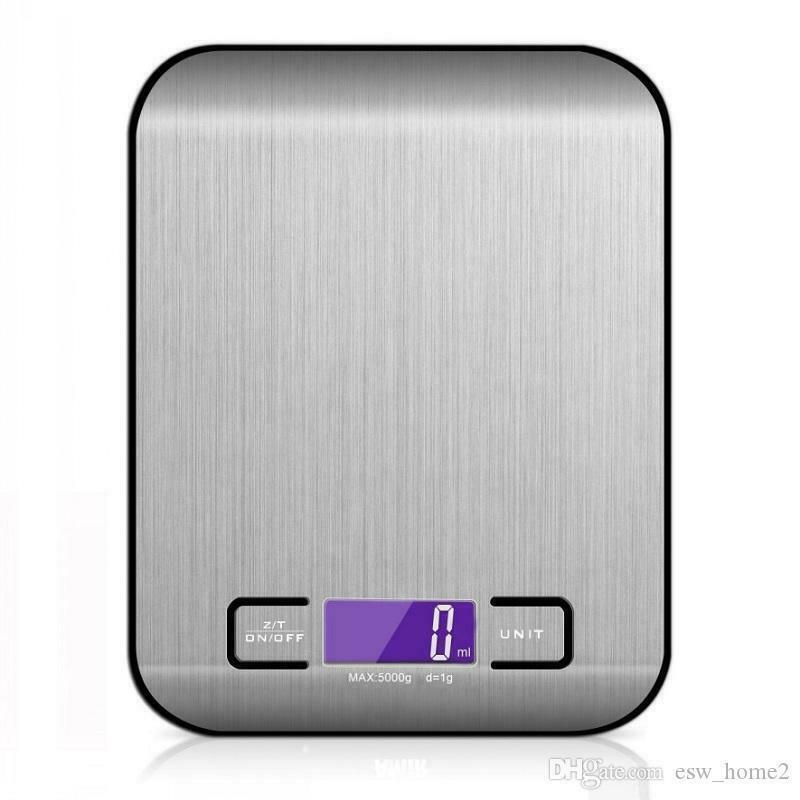
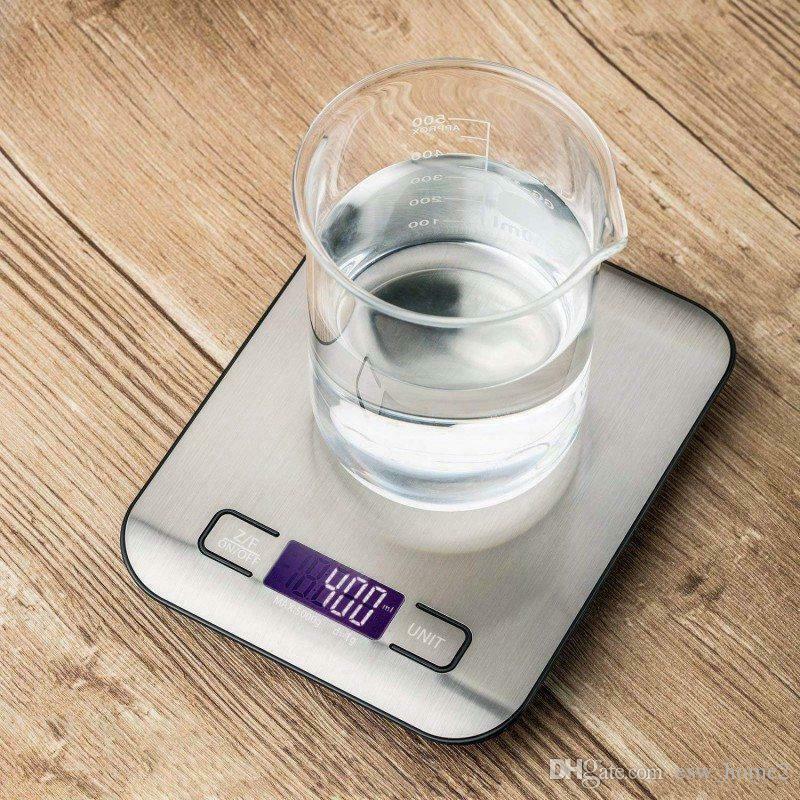
- Digital Scales: Offer high precision, often measuring in grams, ounces, or even milliliters. They are perfect for baking, portion control, and tracking recipes that require exact measurements. Features like tare functions and unit conversions make them extremely convenient.
- Analog Scales: Use a mechanical spring system to measure weight. They are durable, battery-free, and can add a classic touch to your kitchen. However, they may not be as precise for small measurements.
2. Consider the Weight Capacity
Kitchen scales come with different maximum weight limits. Small scales may handle up to 5 kg (11 lbs), which is ideal for everyday cooking and baking. Larger scales can weigh heavier items like bulk ingredients or large roasts. Choose a scale with a capacity that matches your typical kitchen tasks.
3. Accuracy and Precision
For baking or precise portioning, accuracy matters. Look for scales that measure in small increments, ideally 1 gram or 0.1 ounces. This ensures your recipes turn out perfectly every time.
4. Size and Storage
Kitchen scales come in compact and larger models. If you have limited counter space, consider a slim or foldable digital scale that’s easy to store. Larger platforms are better for weighing bigger bowls or bulk ingredients but may take up more space.
5. Ease of Cleaning
A scale should be easy to wipe clean, especially when dealing with flour, sugar, or sticky ingredients. Stainless steel surfaces or removable trays make cleaning simple and hygienic.
6. Additional Features
Modern digital scales often include extra features:
- Tare Function: Allows you to zero out the weight of containers.
- Unit Conversion: Switch between grams, ounces, pounds, and milliliters.
- Auto-Off: Conserves battery life when not in use.
- Backlit Display: Improves readability in low-light kitchens.
7. Budget Considerations
Kitchen scales range from affordable basic models to high-end professional versions. Determine which features are essential for you and choose a scale that offers the best balance between cost and functionality.
Conclusion
Choosing the right kitchen scale comes down to your cooking style, space, and precision needs. Whether you prefer a sleek digital model for precise baking or a sturdy analog scale for everyday use, the right tool can improve accuracy, consistency, and efficiency in the kitchen.
Investing in a quality kitchen scale is investing in better cooking—and better results every time.