Monitoring your weight at home is an important part of maintaining health and tracking fitness goals. But have you ever stepped on your bathroom scale and wondered, “Is this reading really accurate?” Understanding the science behind weight measurement can help you get reliable results and make informed decisions about your health.
How Bathroom Scales Work
At their core, bathroom scales measure force—the downward pressure your body exerts on the scale’s surface—and convert it into a weight reading. The way this happens depends on the type of scale:
- Analog (Mechanical) Scales: These use a system of springs and levers. When you step on the scale, your weight compresses the spring, moving a dial to indicate your weight.
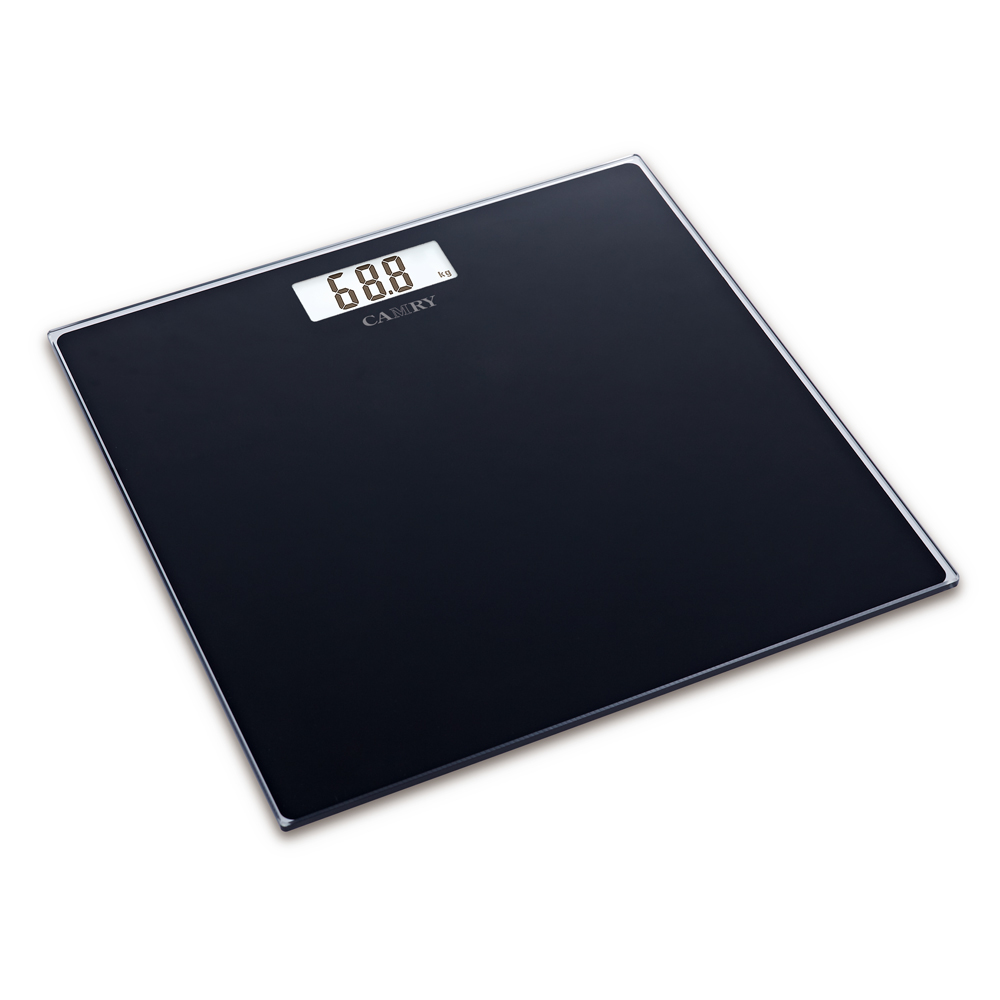
- Digital Scales: Digital scales use strain gauge sensors, which detect tiny changes in electrical resistance as weight is applied. These changes are then converted into an exact weight reading on the digital display.
Digital scales are generally more precise than analog scales because they can detect small variations in weight that a mechanical spring may not register.
Factors That Affect Accuracy
Several variables can influence the accuracy of your home scale:
- Surface Stability: Scales must be placed on a flat, hard surface. Carpets or uneven floors can cause inconsistent readings.
- Body Position: Stand still, with feet evenly spaced on the scale. Shifting your weight can alter the measurement.
- Time of Day: Weight naturally fluctuates throughout the day due to food intake, hydration, and bodily functions. Morning measurements are often most consistent.
- Calibration: Analog scales can drift over time and need manual calibration. Some digital scales auto-calibrate, but placement and battery level can still affect accuracy.
- Temperature and Humidity: Extreme conditions can slightly impact sensor performance, especially in digital scales.
Understanding Body Weight vs. Body Composition
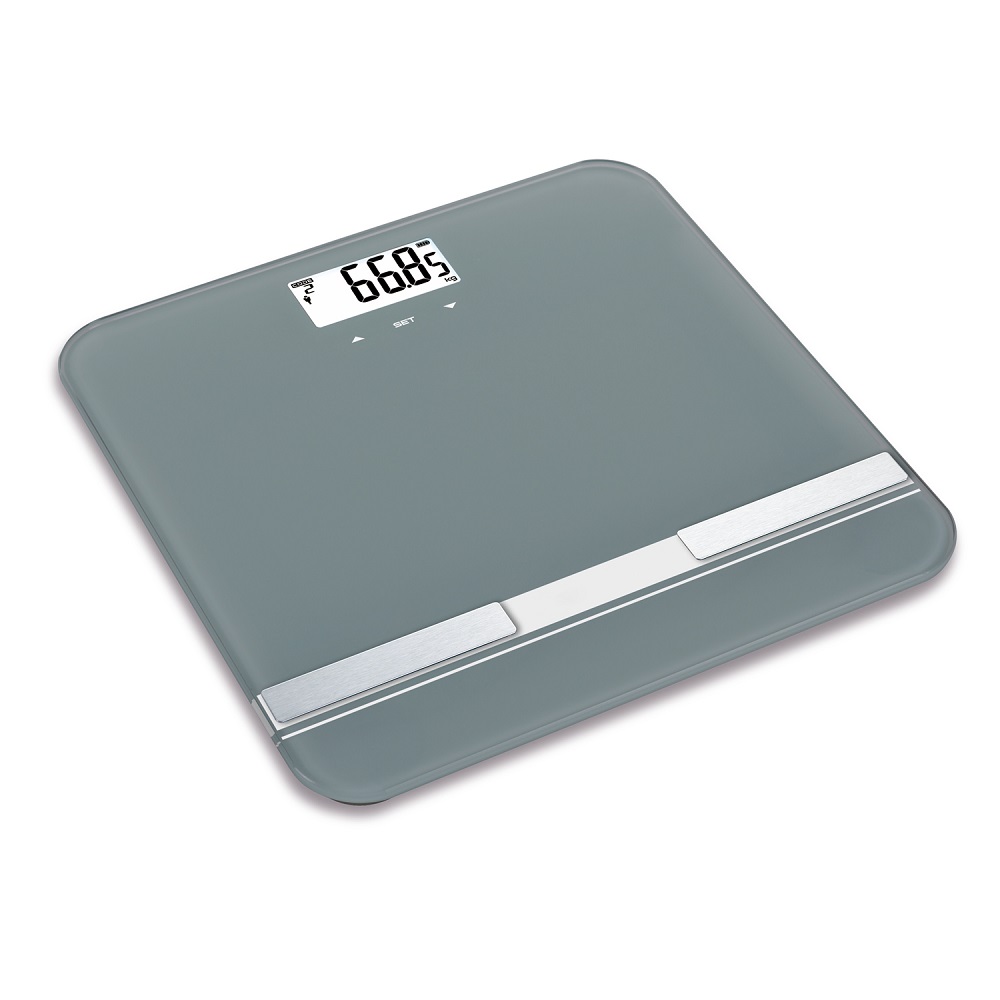
Modern scales can go beyond simple weight measurement. Body composition analysis measures fat percentage, muscle mass, bone density, and water content. Digital scales achieve this through bioelectrical impedance analysis (BIA), sending a small, safe electrical signal through the body to estimate composition.
While these readings aren’t as precise as professional medical equipment, they provide valuable trends and insights over time.
Tips for Getting the Most Accurate Readings
- Always place your scale on a hard, flat surface.
- Weigh yourself at the same time each day, preferably in the morning before eating.
- Wear minimal clothing to reduce weight variance.
- Step on the scale gently and remain still until the reading stabilizes.
- Check your scale’s calibration regularly.
Why Accurate Measurement Matters
Accurate weight measurement is essential for tracking progress toward fitness or health goals, adjusting diet and exercise plans, and detecting changes in body composition. Even small inconsistencies can create confusion or frustration, so understanding how scales work—and how to use them properly—makes your readings meaningful and reliable.
Final Thoughts
Bathroom scales are simple tools, but there’s real science behind them. From the mechanics of analog springs to the electronics of digital sensors, understanding how your scale works—and how to use it correctly—ensures you get accurate, consistent readings. By following proper techniques and considering factors that affect accuracy, you can make your home scale a trusted partner in your health journey.