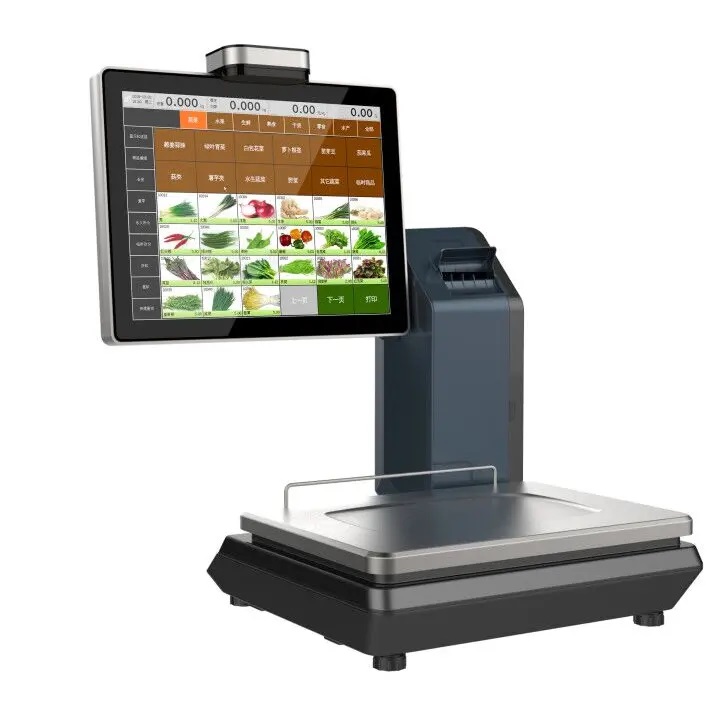
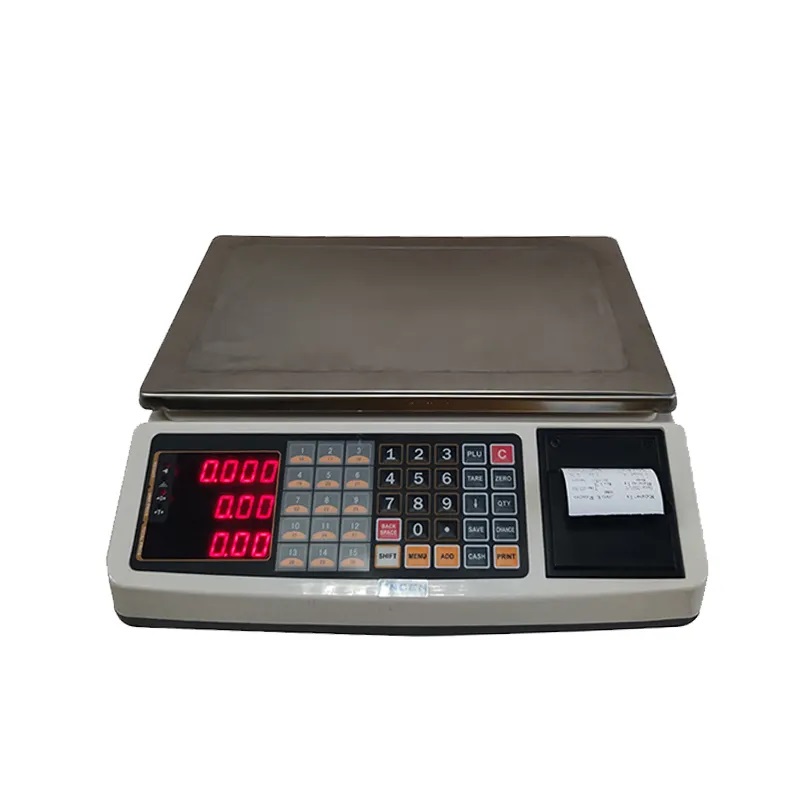
In modern retail, precise pricing and regulatory compliance are critical for profitability and customer trust. For businesses that sell products by weight—such as supermarkets, butcheries, bakeries, and delis—manual weighing and pricing can lead to errors, customer disputes, and potential legal issues. Barcode scales offer a reliable solution by combining accurate weighing with automated pricing and labeling, helping retailers maintain both accuracy and compliance.
1. Accurate Pricing Every Time
Barcode scales automatically calculate prices based on the exact weight of the product and pre-set unit pricing. This eliminates human error associated with manual calculations and ensures that customers are charged correctly, protecting both revenue and customer trust.
2. Automated Labeling for Transparency
Once a product is weighed, barcode scales generate a label containing the product name, weight, unit price, total price, and a scannable barcode. Clear and consistent labels make it easy for customers to verify pricing and understand exactly what they are paying for, enhancing transparency and reducing disputes at checkout.
3. Regulatory Compliance Made Simple
Retailers must comply with strict weights and measures regulations and ensure accurate price labeling. Barcode scales help businesses meet these requirements by:
- Delivering precise weight measurements
- Generating labels with all legally required information
- Reducing the risk of mislabeling or incorrect pricing
This ensures that stores remain compliant during inspections and avoid potential fines or penalties.
4. Integration with POS and Inventory Systems
Modern barcode scales can be connected to point-of-sale and inventory systems, ensuring that weight and pricing data are automatically recorded. This integration supports real-time stock tracking, accurate reporting, and consistent pricing across departments, further enhancing compliance and operational accuracy.
5. Reduced Errors and Waste
By minimizing manual input, barcode scales reduce errors that can lead to incorrect pricing or overstocking. Accurate portioning and labeling help control inventory, minimize waste, and protect profit margins.
6. Consistency Across Departments
From produce and meat counters to bakeries and delis, barcode scales ensure uniform weighing and labeling procedures across all departments. Standardized practices simplify staff training, maintain accuracy, and improve overall store operations.
Conclusion
Barcode scales have a significant impact on pricing accuracy and regulatory compliance in retail. By automating weight measurement, price calculation, and labeling, they reduce errors, enhance transparency, and ensure adherence to legal standards. For businesses selling products by weight, investing in barcode scales is a practical and essential step toward improving accuracy, efficiency, and customer trust.