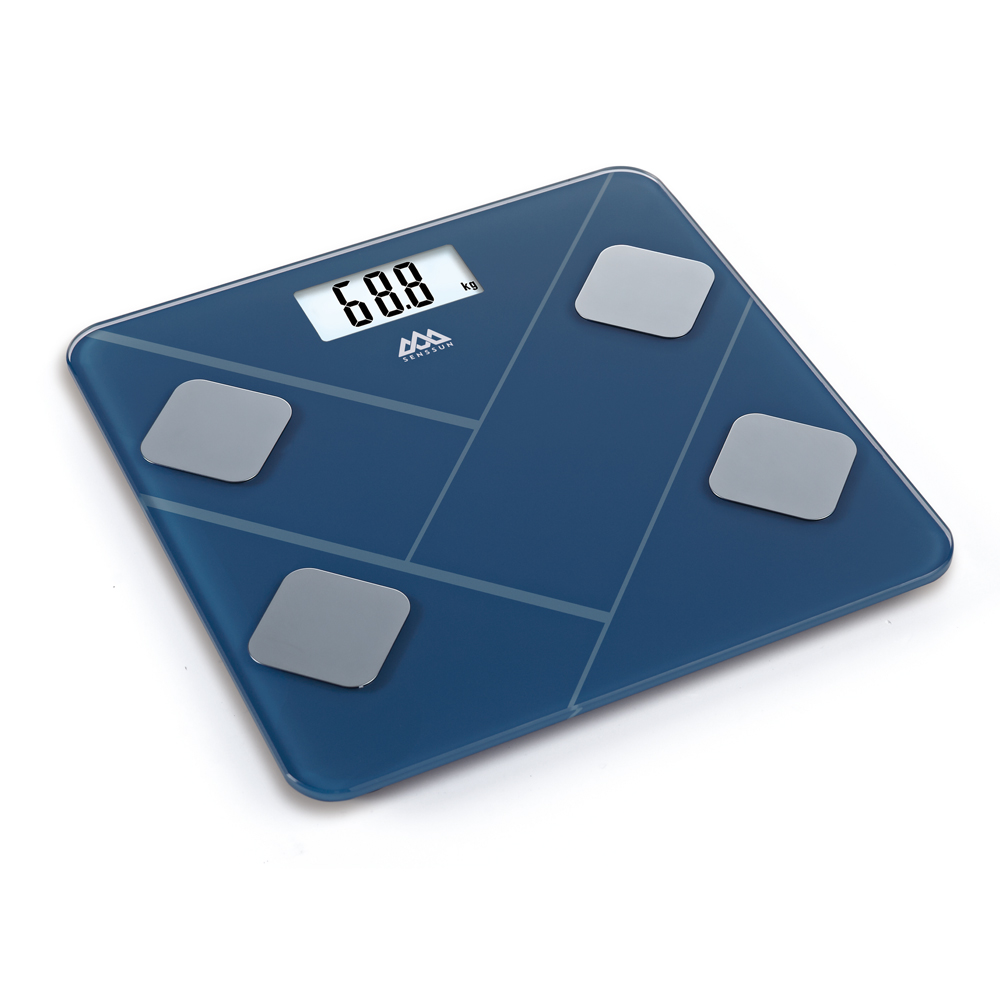
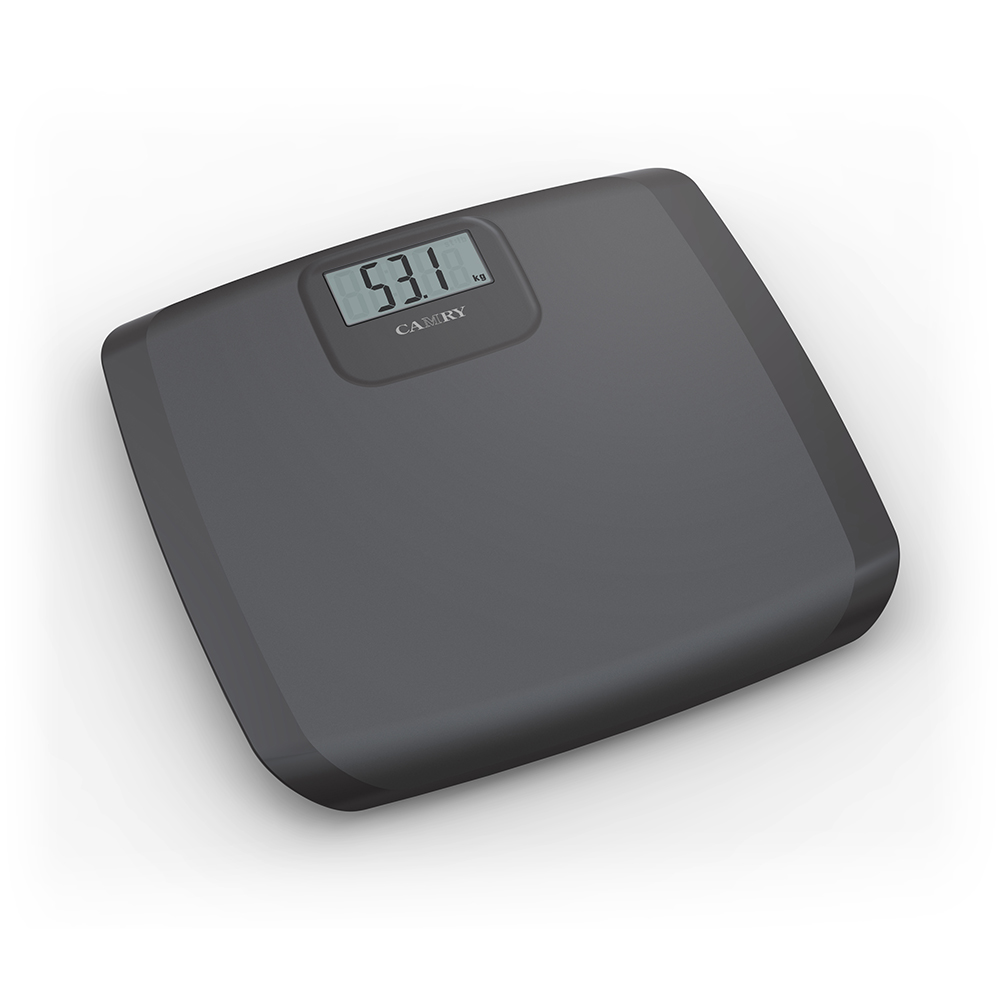
A bathroom scale is one of the simplest tools for tracking your health, yet many people use it incorrectly, leading to inaccurate readings or frustration. Understanding the right habits — and what to avoid — can help you get reliable measurements and make your scale a more effective part of your wellness routine.
✅ Do: Place Your Scale on a Flat, Hard Surface
- Use tile, wood, or laminate flooring.
- Avoid placing it on carpets or rugs, which can cause uneven readings.
- Ensure the scale is stable and level before stepping on.
A solid foundation ensures the sensors measure your weight accurately.
✅ Do: Weigh Yourself Consistently
- Step on your scale at the same time each day, preferably in the morning after using the restroom and before eating.
- Consistent timing reduces fluctuations caused by meals, hydration, or daily activity.
Consistency helps you track trends over time, not just daily numbers.
✅ Do: Stand Correctly
- Keep your feet evenly spaced and centered on the scale.
- Stand upright and still until the measurement is complete.
- Avoid leaning or shifting weight to one side.
Proper posture ensures the scale’s sensors provide accurate readings.
✅ Do: Track Trends, Not Daily Numbers
- Record your readings in a journal or app.
- Focus on weekly or monthly averages rather than obsessing over daily fluctuations.
- Consider pairing weight with body measurements or fitness performance for a fuller picture.
Monitoring trends shows true progress, even when day-to-day numbers fluctuate.
❌ Don’t: Place Your Scale on an Uneven or Soft Surface
- Carpets, mats, or uneven floors can distort readings.
- Avoid placing the scale near heaters or in areas prone to moisture, which can affect accuracy.
❌ Don’t: Weigh Yourself Multiple Times a Day
- Frequent weigh-ins can create stress and confusion due to natural weight fluctuations.
- Focus on consistent daily or weekly measurements instead of constant checking.
❌ Don’t: Ignore Calibration and Maintenance
- Analog scales may need manual zeroing; digital scales may require battery changes.
- Dust, moisture, or debris can interfere with sensors — keep your scale clean.
Regular maintenance keeps your scale functioning properly.
❌ Don’t: Rely on Weight Alone
- Weight doesn’t account for body composition. Muscle, fat, and water levels all affect the number on the scale.
- Consider smart scales or body composition metrics to get a more complete view of your health.
Final Thoughts
Using a bathroom scale correctly is about routine, technique, and awareness. By following the do’s — placing it properly, weighing consistently, standing correctly, and tracking trends — while avoiding the don’ts — uneven surfaces, over-weighing, neglecting maintenance, and focusing solely on weight — you can make your scale a reliable tool for health and wellness.