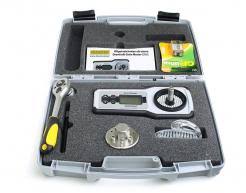
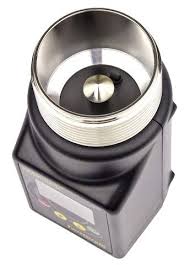
For farmers, ensuring the quality of harvested grain is a critical part of maximizing profits. One key factor that directly affects grain quality, storage life, and market value is moisture content. Too much moisture can lead to mold, spoilage, and pest infestations, while too little can reduce weight and affect pricing. This is where grain moisture meters become essential tools for modern agriculture. This guide provides everything farmers need to know about these indispensable devices.
What Is a Grain Moisture Meter?
A grain moisture meter is a device that measures the water content in harvested grains such as wheat, rice, maize, barley, and soybeans. Accurate moisture measurement allows farmers to make informed decisions about drying, storage, and sale of their produce, preventing post-harvest losses and preserving quality.
How Grain Moisture Meters Work
Grain moisture meters use a variety of methods to detect water content, including:
- Electrical Resistance/Conductivity: Measures how well the grain conducts electricity, which varies with moisture content.
- Capacitance Measurement: Detects changes in electrical capacitance due to water content in grains.
- Near-Infrared (NIR) Technology: Uses light absorption to estimate moisture levels.
Modern smart meters often combine these techniques with digital displays, data logging, and connectivity to farm management systems for real-time monitoring.
Types of Grain Moisture Meters
- Portable Handheld Meters:
- Compact, easy to use in the field.
- Ideal for quick, on-the-go moisture checks.
- Desktop Meters:
- Larger and more accurate.
- Suited for post-harvest laboratories or storage facilities.
- Smart/Connected Meters:
- Connect to apps or cloud platforms.
- Track moisture trends over time and assist in precision farm management.
Key Features to Look For
When choosing a grain moisture meter, consider the following:
- Accuracy and Calibration: Look for devices with high precision and easy calibration for different grain types.
- Speed of Measurement: Quick readings help during busy harvest periods.
- Data Logging: Ability to save and analyze past readings for better decision-making.
- Ease of Use: Intuitive interface, clear display, and simple operation reduce errors.
- Durability: Resistant to dust, humidity, and rough handling in farm environments.
Benefits of Using Grain Moisture Meters
- Prevent Post-Harvest Losses: Detect moisture problems early to avoid spoilage.
- Optimize Storage: Adjust drying and storage conditions to maintain grain quality.
- Maximize Profit: Grain sold at optimal moisture content meets market standards and commands better prices.
- Save Time and Labor: Reduce reliance on traditional, time-consuming moisture testing methods.
Best Practices for Farmers
- Always calibrate your moisture meter according to the grain type.
- Test multiple samples to get an accurate reading for bulk grain.
- Store your meter in a dry, dust-free environment to maintain its accuracy.
- Use logged data to track moisture trends across harvest seasons for better planning.
Conclusion
Grain moisture meters are no longer optional—they are essential tools for modern farming. Whether you are in the field during harvest or managing storage facilities, these devices ensure that your grain retains its quality, avoids losses, and reaches the market at the best possible value. By investing in the right moisture meter, farmers gain precision, efficiency, and peace of mind—key ingredients for a successful harvest.