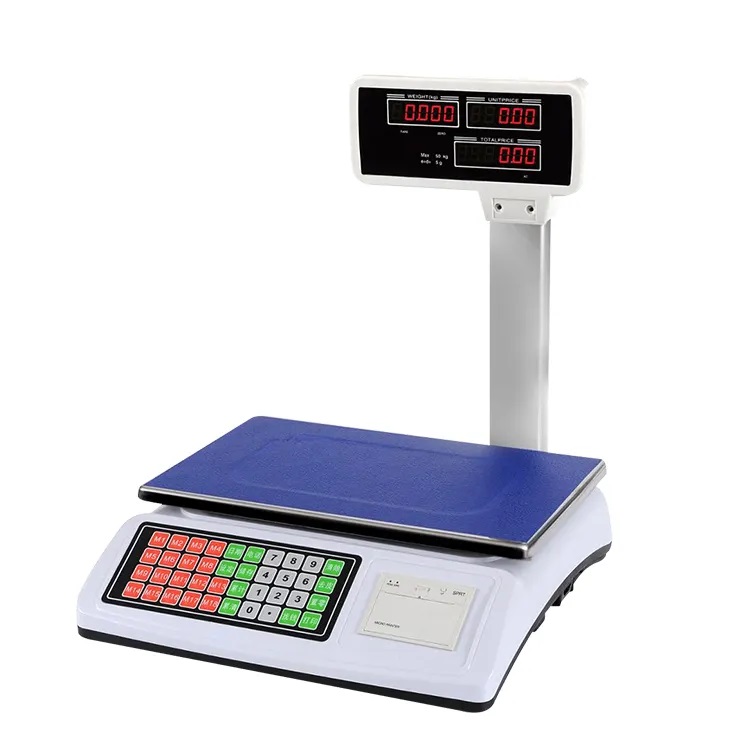
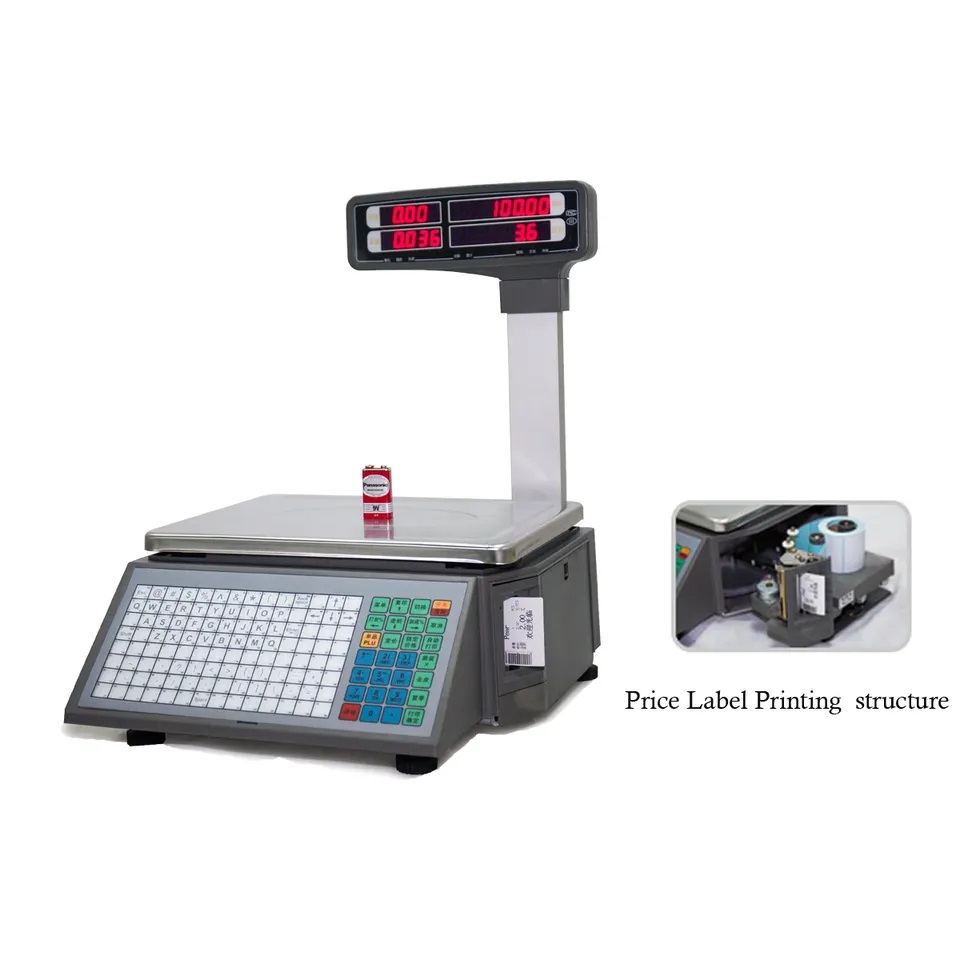
In modern retail and food service environments, speed, accuracy, and compliance are essential. Barcode scales and printers combine precise weighing with automated labeling, helping businesses streamline operations, improve pricing accuracy, and enhance the customer experience. This complete guide explains what barcode scales and printers are, how they work, and why they are vital for today’s retail operations.
1. What Are Barcode Scales and Printers?
Barcode scales are weighing devices equipped with built-in or connected printers. After an item is weighed, the system automatically calculates the price and prints a barcode label containing product details such as weight, unit price, total cost, and barcode data.
Barcode printers may be integrated into the scale or operate as standalone devices connected to weighing and POS systems.
2. How Barcode Scales and Printers Work
The process is simple and efficient:
- The product is placed on the scale
- The scale measures the weight
- The system calculates the price using pre-set pricing data
- A barcode label is printed
- The item is scanned at checkout
This automation removes manual calculations and reduces errors.
3. Key Benefits of Barcode Scales and Printers
Accuracy and Consistency
Automated weighing and pricing ensure consistent, precise results across all departments.
Faster Checkout
Pre-labeled items scan quickly, reducing queue times and improving customer satisfaction.
Improved Inventory Control
Sales data captured through barcodes integrates with POS systems for better stock tracking and reporting.
Reduced Errors and Waste
Automated labeling minimizes pricing mistakes and supports portion control, reducing product loss.
Regulatory Compliance
Clear, accurate labels help meet weights and measures and pricing regulations.
4. Common Applications in Retail
Barcode scales and printers are widely used in:
- Supermarkets and grocery stores
- Butcher shops and fishmongers
- Delicatessens and bakeries
- Food production and packaging areas
Their flexibility makes them suitable for both small retailers and large chains.
5. Types of Barcode Scales and Printers
- Countertop barcode scales – Ideal for service counters and delis
- Self-service barcode scales – Used in produce sections
- Standalone barcode printers – For high-volume or central labeling
- Networked systems – Integrated with POS and inventory software
6. Features to Look For
When choosing barcode scales and printers, consider:
- Print speed and label quality
- Scale accuracy and capacity
- POS and inventory system compatibility
- User-friendly interface
- Compliance certifications
- Ease of maintenance and support
7. Maintenance and Best Practices
Regular calibration, cleaning, and software updates help maintain accuracy and reliability. Using approved label materials and replacing printer components such as print heads when required ensures consistent performance.
Conclusion
Barcode scales and printers are essential tools for modern retail and food operations. By combining precise weighing with automated labeling and POS integration, they improve accuracy, efficiency, and compliance while enhancing the customer experience. Investing in the right barcode weighing and printing solution supports smoother operations and long-term business success.