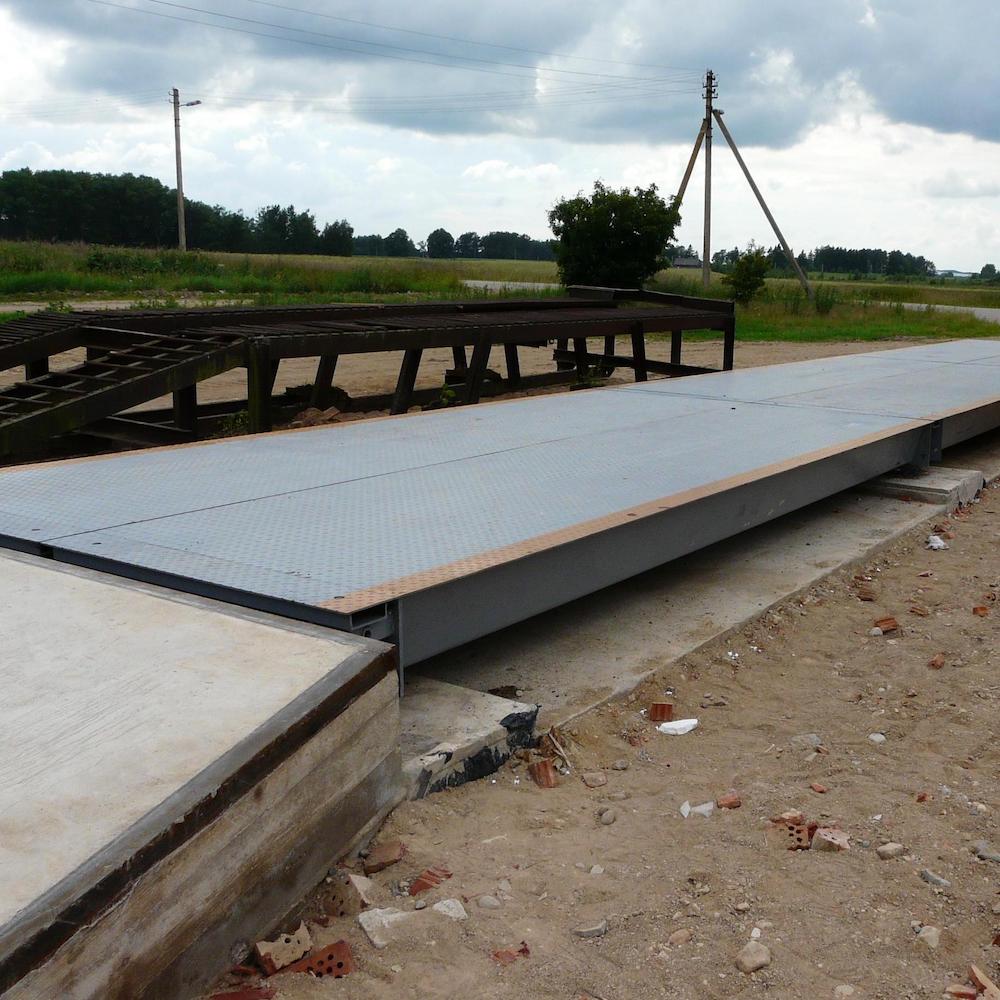
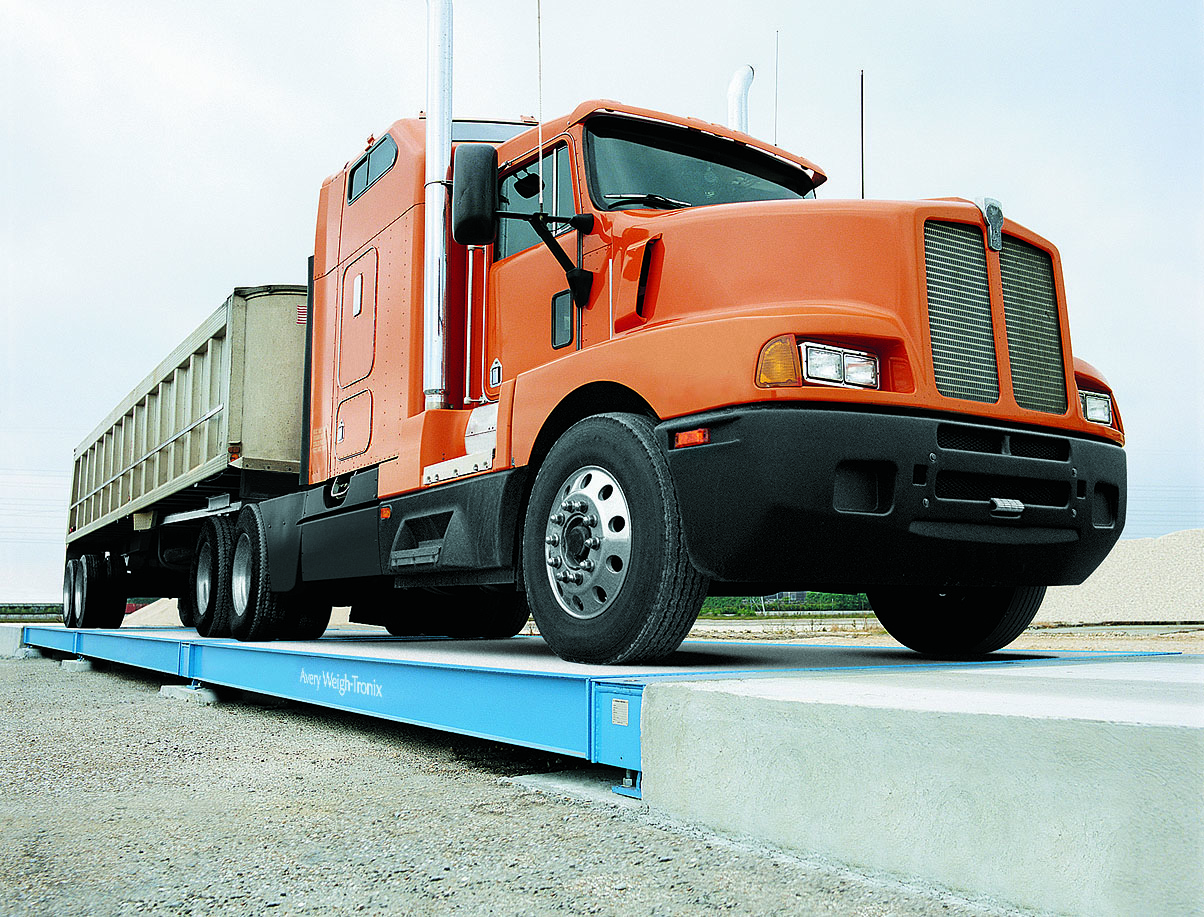
Vehicle scales are critical tools in industries such as logistics, construction, mining, agriculture, and waste management. Accurate and reliable weighing ensures regulatory compliance, operational efficiency, and safety. However, like any heavy-use equipment, vehicle scales require regular servicing to maintain performance.
Recognizing early warning signs can help prevent costly downtime, inaccurate readings, and compliance issues.
1. Inconsistent or Fluctuating Readings
One of the most common signs that a vehicle scale needs servicing is unstable weight readings. If the displayed weight changes while the vehicle remains stationary, it may indicate:
- Load cell issues
- Electrical interference
- Damaged cables or connectors
This should be addressed immediately to avoid inaccurate measurements.
2. Repeated Calibration Failures
If your scale frequently fails calibration or requires constant adjustment, it may signal:
- Load cell deterioration
- Foundation movement
- Mechanical stress or misalignment
Persistent calibration problems often indicate deeper mechanical or structural issues.
3. Visible Physical Damage
Cracks, corrosion, bent steel, or damaged load cells are clear indicators that servicing is required. Even minor physical damage can affect weighing accuracy and safety.
Look for:
- Rust or corrosion
- Cracked welds
- Damaged load cell mounts
4. Slow or Unresponsive Indicator Display
A digital indicator that freezes, responds slowly, or displays error messages may point to:
- Electrical faults
- Moisture ingress
- Software or firmware issues
Prompt servicing can prevent complete system failure.
5. Inaccurate Weights Compared to Known Loads
If your scale readings differ significantly from known or verified weights, this is a strong indication that servicing and recalibration are needed. Inaccurate weights can lead to:
- Overloading fines
- Billing disputes
- Safety risks
6. Environmental Exposure or Extreme Conditions
Vehicle scales exposed to harsh conditions—such as flooding, extreme heat, heavy dust, or chemical exposure—require more frequent servicing. Environmental damage can compromise load cells and electronics.
7. Foundation or Ground Movement
For fixed weighbridges, changes in ground conditions or foundation settling can affect accuracy. Signs include:
- Uneven platform movement
- Difficulty returning to zero
- Structural stress
Servicing can help realign and recalibrate the system.
8. Increased Downtime or Operational Delays
If your scale is frequently out of service or causing workflow delays, it may need professional attention. Preventive servicing reduces unexpected breakdowns and extends equipment life.
9. Missed Scheduled Maintenance
If routine maintenance or calibration schedules have been missed, it’s wise to arrange servicing even if the scale appears functional. Regular servicing helps identify hidden issues before they escalate.
Conclusion
Vehicle scales are essential to daily operations, and ignoring early warning signs can lead to costly errors and downtime. Regular servicing ensures accuracy, compliance, and long-term reliability.
If you notice any of these signs, scheduling professional servicing promptly can protect your investment and keep your operations running smoothly.