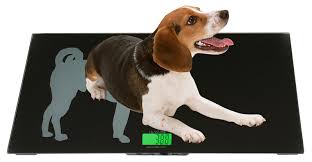
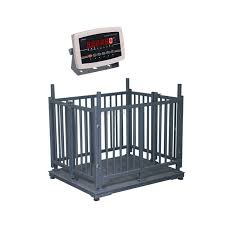
Animal weighing scales are essential tools in farms, veterinary clinics, livestock markets, and research facilities. While they help ensure accurate weight measurement for health monitoring, feeding, and trade, improper use can lead to injuries to animals and handlers, equipment damage, or inaccurate readings. Following proper safety practices ensures reliable results and a safer working environment.
1. Choose the Right Scale for the Animal
Always use a scale designed for the type, size, and weight capacity of the animal being weighed. Overloading a scale can cause mechanical failure and pose serious safety risks. Ensure the platform size allows the animal to stand comfortably without stepping off the edges.
2. Position the Scale on a Stable Surface
Place the weighing scale on a firm, level, and non-slip surface. Uneven or unstable ground can lead to inaccurate readings and may cause the animal to lose balance, increasing the risk of injury.
3. Keep the Platform Clean and Dry
Animal waste, mud, water, or feed residue can make the platform slippery. Clean the scale regularly and dry the surface before use to reduce the risk of animals slipping or falling.
4. Use Proper Animal Restraint
Ensure animals are calmly guided onto the scale using appropriate handling techniques. Avoid rushing, shouting, or using excessive force. For larger livestock, use pens, crates, or cages designed to keep the animal steady during weighing.
5. Keep Hands and Feet Clear
Never place hands, feet, or tools under the weighing platform while the scale is in use. Animals may shift their weight unexpectedly, which can cause serious injury.
6. Calibrate and Inspect Regularly
Regular calibration ensures accurate weight readings and safe operation. Inspect the scale for signs of wear, loose components, damaged cables, or malfunctioning indicators before use. Faulty equipment should be repaired or replaced immediately.
7. Avoid Weighing Aggressive or Stressed Animals
Stressed or aggressive animals are more likely to move suddenly, kick, or attempt to escape. Allow animals time to calm down before weighing, or seek assistance from trained personnel when handling difficult animals.
8. Follow Manufacturer’s Instructions
Always follow the manufacturer’s guidelines for installation, operation, and maintenance. Using the scale outside its recommended conditions may compromise safety and accuracy.
9. Ensure Operator Training
Only trained staff should operate animal weighing scales. Proper training helps handlers understand animal behavior, scale operation, and emergency procedures, reducing the risk of accidents.
10. Store Equipment Safely When Not in Use
When not in use, store portable scales and indicators in a dry, secure area. Protect cables, load cells, and indicators from moisture, pests, and physical damage to extend the lifespan of the equipment.
Conclusion
Safety when using animal weighing scales protects both animals and operators while ensuring accurate and reliable measurements. By using the correct equipment, maintaining it properly, and following safe handling practices, you can reduce risks and improve efficiency in daily operations.