When it comes to retail, grocery stores, and other businesses that sell weight-based products, choosing the right scale is crucial. While regular weighing scales and price computing scales may look similar, their functions and applications differ significantly. Understanding these differences can help store owners make informed decisions for accuracy, efficiency, and customer satisfaction.
1. What Is a Regular Scale?
A regular scale, whether digital or analog, is designed to measure weight only. It displays the weight of the item placed on it but does not calculate the price. These scales are commonly used in homes, fitness centers, or industrial applications where pricing is not required.
Key Features of Regular Scales:
- Measures weight only (kg, lb, st)
- Digital or analog display
- Usually compact and simple to operate
- Suitable for personal or non-retail use
2. What Is a Price Computing Scale?
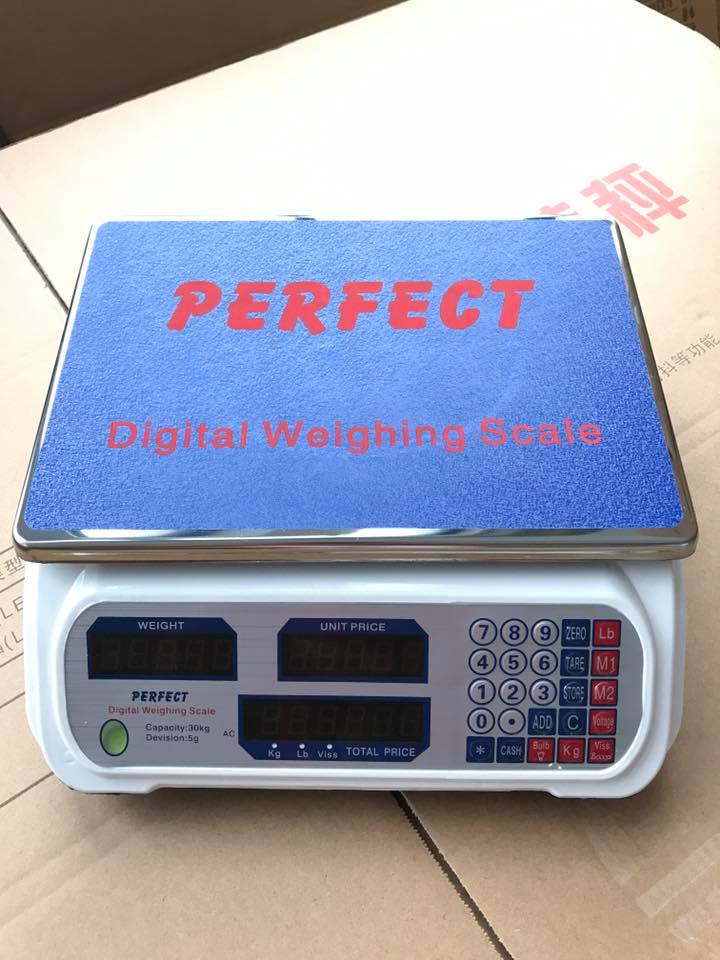
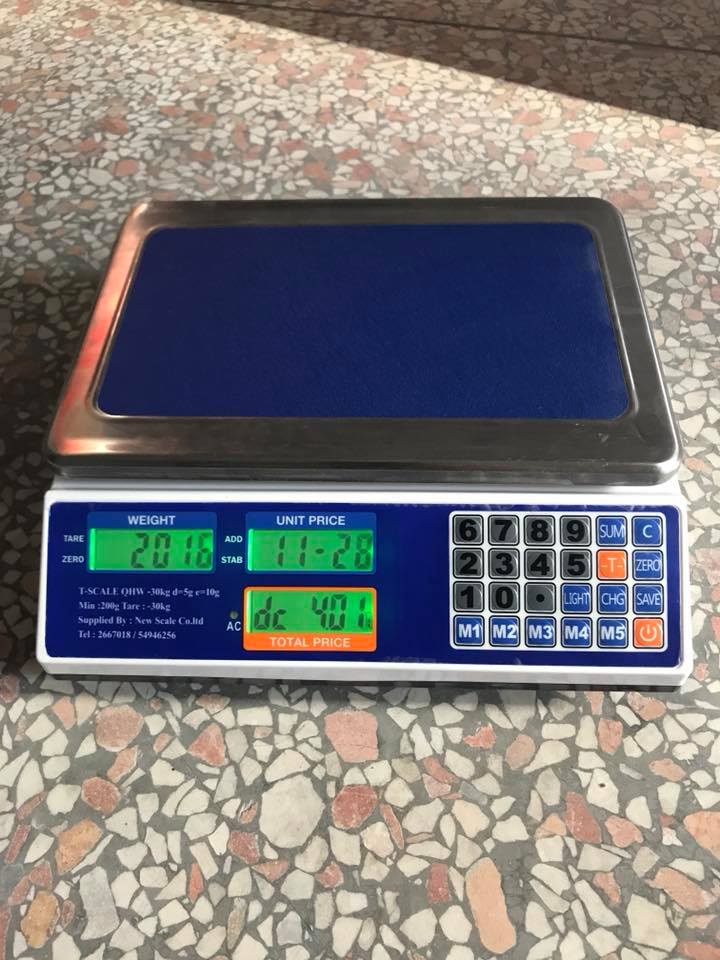
A price computing scale is a specialized retail device that measures weight and automatically calculates the price based on a pre-programmed unit price. These scales are widely used in supermarkets, grocery stores, butcheries, bakeries, and wholesale outlets.
Key Features of Price Computing Scales:
- Measures weight with high-precision sensors
- Automatically calculates price using unit price
- Stores multiple product entries for easy selection
- Large, easy-to-read displays for staff and customers
- Some models integrate with POS systems or inventory software
3. Major Differences Between Price Computing Scales and Regular Scales
|
Feature |
Regular Scale |
Price Computing Scale |
|
Weight Measurement |
Yes |
Yes |
|
Price Calculation |
No |
Yes |
|
Product Memory |
No |
Yes, can store multiple items |
|
Ideal Use |
Home, fitness, industrial |
Retail, grocery, commercial |
|
Shows weight only |
Shows weight, price, and total cost |
|
|
Integration |
Limited |
Can integrate with POS and inventory systems |
|
Efficiency |
Basic |
Speeds up checkout and reduces errors |
4. Why Businesses Should Choose Price Computing Scales
- Accuracy and Efficiency: Reduces manual calculation errors and speeds up checkout.
- Supports Multiple Products: Handles a variety of items with pre-programmed prices.
- Better Customer Experience: Transparent and fast transactions build trust.
- Integration with Retail Systems: Advanced models sync with POS and inventory software, simplifying management.
- Cost Savings: Reduces labor and operational errors over time.
5. When a Regular Scale Is Sufficient
Regular scales are suitable for:
- Home kitchens or personal use
- Fitness centers to monitor body weight
- Industrial applications where pricing isn’t needed
- Situations where only the weight of the item matters
Conclusion
While regular scales are adequate for personal or industrial use, price computing scales are essential for retail and grocery businesses. By combining accurate weighing with automatic price calculation, product memory, and optional system integration, price computing scales improve efficiency, reduce errors, and enhance the customer experience. Investing in the right scale is a smart decision for any business aiming to streamline operations and increase profitability.