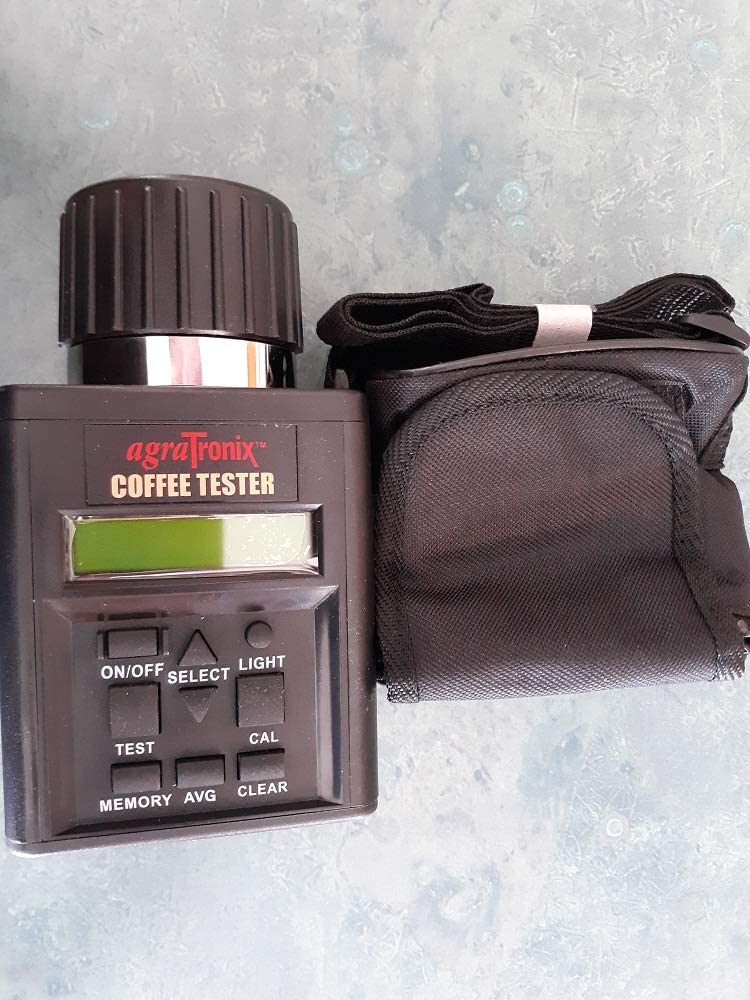
pinless (non-destructive) moisture meters are the industry standard for home inspections, woodworking, and flooring installations where surface integrity is a priority.
Unlike pin-type meters that measure electrical resistance between two probes, pinless meters use electromagnetic signals (capacitance or radio frequency) to scan beneath the surface—typically up to ¾" (19mm) deep.
1. Top Recommended Pinless Meters (2026)
|
Model |
Technology |
Best For |
Key Feature |
|
Wagner Orion 950 |
Smart Capacitance |
High-End Woodworking |
On-site calibration & EMC calculation. |
|
Klein Tools ET140 |
Electromagnetic |
DIY & Homeowners |
Rugged (2m drop test) & easy to read. |
|
Protimeter SurveyMaster |
Dual (Pin/Pinless) |
Home Inspectors |
Non-invasive "Search" + Pin "Measure" modes. |
|
Tramex ME5 |
Dual-Depth |
Restoration Pros |
Scans multiple depths without surface damage. |
|
Extech MO55 |
Combination |
Budget/All-Purpose |
Affordable; works on drywall, wood, and brick. |
2. How the Pinless Sensor Works
Pinless meters operate on the principle of Electrical Impedance.
- The Sensor: A flat pad on the back of the device emits a low-frequency signal into the material.
- The Measurement: Water is highly conductive and has a high dielectric constant. The meter detects fluctuations in the electromagnetic field caused by the presence of water.
- The Result: The device converts these fluctuations into a percentage (Moisture Content % for wood) or a relative scale (for building materials like drywall).
3. Pros and Cons of Pinless Technology
The Benefits:
- Zero Damage: Ideal for finished furniture, hardwood floors, and expensive cabinetry.
- Speed: You can "swipe" the meter across a large wall or floor to find a leak in seconds, whereas a pin meter requires constant stabbing.
- Deeper Insight: Pinless meters average the moisture in a 3D volume of the material, which is often more representative of the core moisture than a surface pin reading.
The Limitations:
- Surface Flatness: The sensor pad must be in full, flat contact with the surface. It won't work on rough-sawn logs or curved moldings.
- Metal Sensitivity: The sensor can be "fooled" by metal behind a wall (like corner beads, pipes, or wiring), giving a false "wet" reading.
- Material Density: Because they measure density, you must set the meter to the specific wood species or material type to get an accurate percentage.
4. 2026 Buying Checklist
- Scanning Depth: Ensure the meter scans to at least ¾" (19mm). Some budget models only scan surface-deep, missing internal rot or moisture.
- Calibration Check: High-quality units like the Wagner Orion series include a calibration plate. This allows you to verify the meter’s accuracy yourself rather than sending it back to the factory.
- Visual/Audio Alerts: Look for a "fast-beep" or "Red/Yellow/Green" LED system. This is invaluable when scanning dark attic spaces or basement corners where the screen is hard to see.