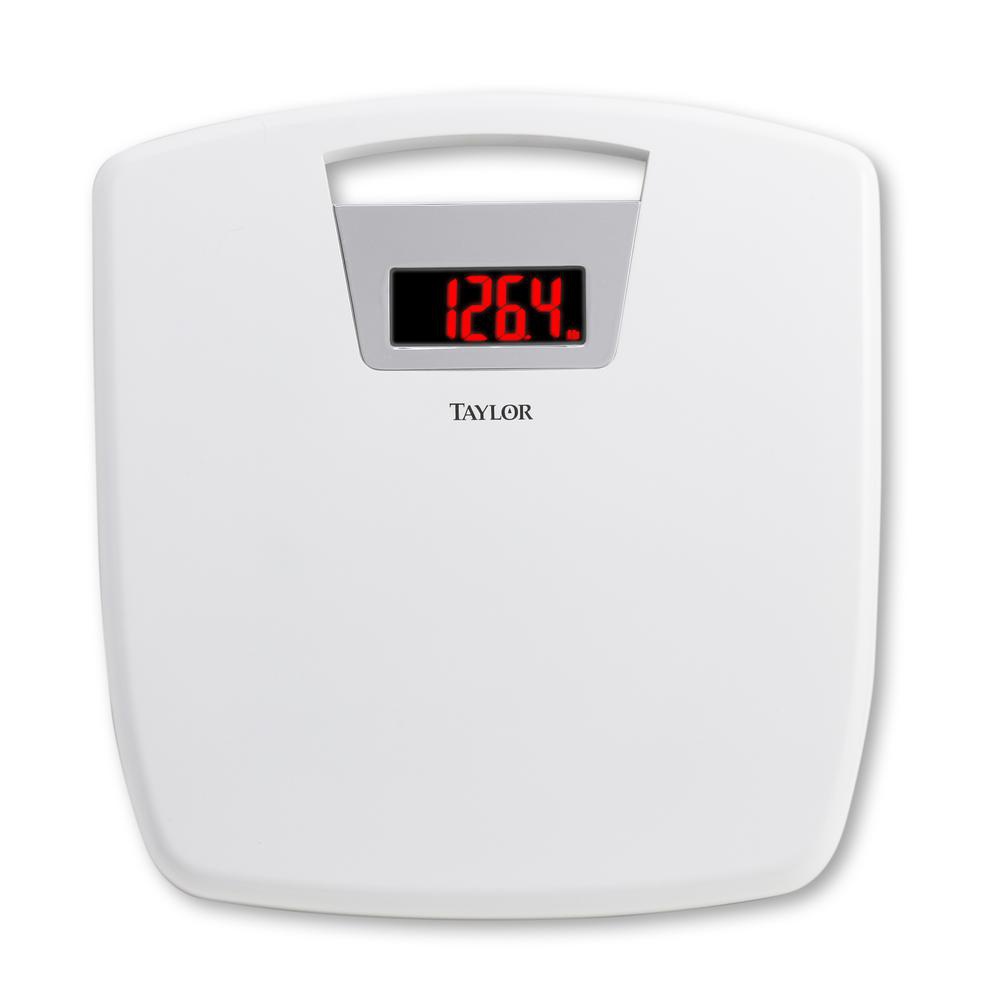
Personal Scale with a Body Fat Monitor (150kg Capacity) represents the entry-level standard for home health diagnostics. While high-capacity scales (180kg–200kg) are common, the 150kg (330lb) range focuses on precision for average body weights, often offering more sensitive "G-sensors" for finer weight increments.
1. Top-Rated 150kg Body Fat Scales (2026)
|
Model |
Capacity |
Graduation |
Connection |
Key Highlight |
|
Xiaomi Smart Scale S200 |
150 kg |
0.05 kg |
Bluetooth |
Ultra-Sensitive: Detects minor weight changes (e.g., a glass of water). |
|
Huawei Scale 3 |
150 kg |
0.1 kg |
Wi-Fi/BT |
Data Rich: 11 body indicators with deep app insights. |
|
Beper Digital (Italy) |
150 kg |
0.1 kg |
None (On-device) |
Simple: Displays metrics directly on the screen without an app. |
|
Berlinger Haus Carbon |
150 kg |
0.1 kg |
Bluetooth |
Designer: Forged aluminum/tempered glass aesthetic. |
2. Core Specifications to Look For
- 10-User Memory: Standard for 150kg family models. The scale "recognizes" which user is standing on it based on their previous weight history.
- Bioelectrical Impedance (BIA): Uses a safe, low-level electrical current to estimate composition. Note: Most 150kg models use a single-frequency current, sufficient for general tracking.
- 6mm Tempered Safety Glass: The standard thickness required to safely support a 150kg load while remaining slim (lt;2.5\text{cm}$ height).
- Backlit LCD Display: Critical for 2026; ensures you can read your metrics in the dark before fully waking up.
3. Measured Body Metrics
A 150kg composition monitor typically tracks:
- Body Fat Percentage: The primary indicator of weight quality.
- Body Water (Fluid) %: Helps distinguish between actual fat loss and dehydration.
- BMI (Body Mass Index): A general health ratio of height to weight.
- Muscle Mass & Bone Weight: Essential for those following a fitness or strength program.
- Visceral Fat Index: Measures the "hidden" fat around your organs.
4. Accuracy & Usage Guide
The Stability Rule: To achieve the rated $0.1\text{kg}$ precision, the scale must be placed on a hard, flat surface (tile, wood, or marble). Using a 150kg high-precision scale on carpet can cause errors of up to $3\text{kg}-5\text{kg}$.
- Bare Foot Contact: You must be barefoot for the body fat monitor to work. Socks act as an insulator and will result in a "Weight Only" reading.
- Consistency: Always weigh yourself at the same time (ideally first thing in the morning) to avoid fluctuations caused by food intake or exercise-induced water retention.
5. Safety Warning
Pacemakers & Implants: Because these scales send a micro-current through the body, they are strictly not recommended for individuals with pacemakers, ICDs, or other internal electronic medical devices.


