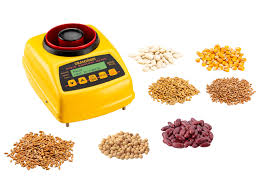
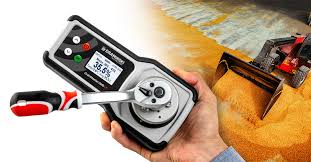
Accurate moisture testing is crucial for farmers who want to protect the quality, weight, and value of their harvested crops. Corn, rice, and soybeans are especially sensitive to moisture levels, and incorrect storage can lead to spoilage, mold, or financial losses. These practical tips will help you get precise readings and make informed decisions for your grain.
Why Moisture Testing Matters
Grain moisture content affects:
- Storage Life: High moisture increases the risk of mold, fungal growth, and insect damage.
- Weight and Yield: Over-drying reduces weight, while under-dried grains can be rejected or penalized by buyers.
- Market Quality: Grain at the right moisture level meets industry standards and commands better prices.
For reference, safe moisture ranges are generally:
- Corn: 14–15%
- Rice: 12–14%
- Soybeans: 13–14%
Maintaining these levels helps maximize storage life, minimize losses, and ensure profitability.
Tips for Accurate Moisture Testing
1. Use the Right Meter for Your Grain
Different grains have different densities and moisture behaviors. Ensure your meter is calibrated for corn, rice, or soybeans, or select a multi-grain meter. Using the wrong calibration can give inaccurate readings.
2. Sample Properly
- Mix grain from several locations in your bin, storage bag, or truck to get a representative sample.
- Avoid testing just the top layer, which can be drier or wetter than the bulk grain.
3. Check Temperature
Grain temperature can slightly affect moisture readings. Some meters automatically adjust for temperature, but if yours doesn’t, measure when grain is close to ambient temperature or allow it to stabilize.
4. Test Multiple Samples
Take several readings from different parts of the batch to determine an accurate average. This is especially important for large storage bins or trucks.
5. Calibrate Regularly
Follow your meter’s manufacturer instructions for regular calibration to ensure accurate readings over time. Some meters require seasonal recalibration or adjustments for different grain types.
6. Record Your Readings
Keep a log of moisture readings over time. Tracking trends helps you manage drying schedules, storage conditions, and future harvest planning.
7. Use Smart Features if Available
Many modern meters offer data logging and connectivity to apps or farm management software. These tools make it easier to monitor moisture trends, share data, and make quick decisions.
Grain-Specific Considerations
- Corn: Moisture can vary throughout the ear; sample from different kernels. Ensure corn is dried properly before long-term storage to avoid mold.
- Rice: Paddy rice retains moisture longer; test multiple grains to get a true average. Proper drying prevents discoloration and quality loss.
- Soybeans: Even small moisture differences can affect storage and cracking. Measure multiple batches, especially after harvest in humid conditions.
Conclusion
Proper moisture testing is essential for protecting corn, rice, and soybeans from spoilage, weight loss, and market penalties. By using the right meter, sampling carefully, calibrating regularly, and recording your results, farmers can make informed decisions for storage, drying, and sales. Accurate moisture management ensures higher-quality grain, safer storage, and maximized profits.