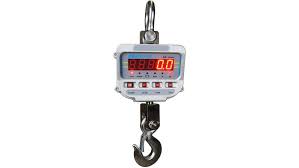
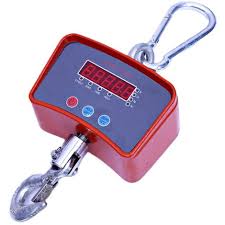
Crane scales play a critical role in safe and efficient heavy-lifting operations across industries such as construction, manufacturing, warehousing, and logistics. While modern crane scales are designed to be robust and reliable, accuracy can only be maintained through proper and regular maintenance.
Neglecting maintenance doesn’t just affect performance—it increases safety risks, causes costly downtime, and leads to inaccurate weight data. This article outlines essential maintenance tips to help ensure your crane scale remains accurate, reliable, and compliant throughout its service life.
Why Crane Scale Maintenance Matters
A poorly maintained crane scale can result in:
- Inaccurate weight readings
- Overloading and equipment damage
- Safety hazards for operators and nearby personnel
- Non-compliance with industry regulations
- Increased repair and replacement costs
Routine maintenance protects both your equipment investment and your workforce.
1. Perform Daily Visual Inspections
🔍 What to Check
Before each use, visually inspect the crane scale for:
- Cracks or deformation in hooks, shackles, and load points
- Loose bolts or fasteners
- Damaged housings or displays
- Signs of corrosion or excessive wear
✅ Best Practice
If any damage is detected, remove the crane scale from service immediately until it has been inspected or repaired by qualified personnel.
2. Keep the Crane Scale Clean
🧼 Why It Matters
Dust, debris, grease, and moisture can interfere with moving parts and electronic components, affecting accuracy and longevity.
✅ Best Practice
- Wipe the scale regularly with a clean, dry cloth
- Avoid using high-pressure water or harsh chemicals
- Store the scale in a clean, dry environment when not in use
3. Maintain Proper Calibration
⚖️ Calibration Is Key to Accuracy
Calibration ensures the crane scale provides correct weight readings over time.
When to Calibrate
- According to manufacturer guidelines
- After heavy impacts or overload incidents
- Following repairs or component replacement
- After extended periods of non-use
✅ Best Practice
Use certified test weights and keep calibration records for traceability and compliance.
4. Avoid Overloading and Shock Loads
⚠️ Why It’s Critical
Overloading or sudden shock loads can permanently damage the load cell, resulting in inaccurate readings—even if the scale appears functional.
✅ Best Practice
- Never exceed the rated capacity
- Lift loads smoothly and steadily
- Avoid sudden starts, stops, or jerks
5. Check Battery and Power Systems (Digital Scales)
🔋 Battery Health Affects Accuracy
Low battery levels can cause unstable readings or display errors.
✅ Best Practice
- Recharge batteries regularly
- Replace batteries according to manufacturer recommendations
- Power down the scale when not in use
6. Protect Against Environmental Factors
🌧️ Environmental Risks
Extreme temperatures, moisture, dust, and vibration can impact crane scale performance.
✅ Best Practice
- Use scales rated for your operating environment
- Avoid prolonged exposure to rain, heat, or cold
- Allow the scale to acclimate when moving between temperature extremes
7. Inspect Load-Bearing Components Regularly
🔩 Critical Components
Hooks, shackles, pins, and lifting points experience constant stress.
✅ Best Practice
- Inspect for wear, bending, or cracks
- Replace worn components promptly
- Use only manufacturer-approved replacement parts
8. Schedule Preventive Maintenance
🛠️ Don’t Wait for Failure
Preventive maintenance helps catch small issues before they become major problems.
Recommended Actions
- Periodic functional testing
- Accuracy verification
- Internal inspection by qualified technicians
- Software updates (for smart or wireless models)
9. Train Operators on Proper Use
👷 Operator Handling Matters
Improper handling can undo even the best maintenance efforts.
Training Should Include
- Correct attachment and lifting procedures
- Understanding scale limitations
- Recognizing warning signs of inaccuracy
- Proper storage and handling practices
Conclusion
Maintaining crane scale accuracy is not a one-time task—it’s an ongoing process. Regular inspections, proper calibration, careful handling, and preventive maintenance ensure your crane scale delivers safe, reliable, and precise measurements throughout its lifespan.