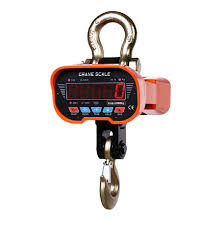
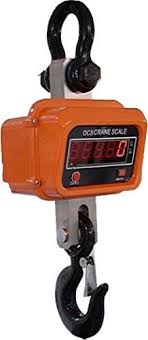
Crane scales are indispensable tools in industries where heavy lifting and precise weight measurement matter — from construction and manufacturing to shipping and warehousing. But with so many models and features on the market, choosing the right crane scale can feel overwhelming.
This guide breaks down the key factors you need to consider so you can confidently select the best crane scale for your industry’s specific needs.
Why Choosing the Right Crane Scale Matters
The right crane scale can:
- Improve safety by preventing overloads
- Boost productivity by speeding up weighing tasks
- Enhance accuracy and traceability for reporting and compliance
- Reduce downtime and maintenance costs
Conversely, choosing the wrong scale can lead to inaccurate measurements, damaged goods, safety hazards, and unnecessary expenses.
Step 1 — Understand Your Load Requirements
Capacity
Before anything else, determine the maximum and typical loads you’ll be weighing. Crane scales come in a wide range of capacities — from a few hundred kilograms to several tons.
Choose a scale with a capacity higher than your heaviest load to prevent overload damage.
Minimum Load Requirement
Some scales are less accurate near the lower end of their capacity range. If you frequently weigh light loads, look for a model with good accuracy at the low end as well.
Step 2 — Evaluate Accuracy and Resolution
Accuracy
Accuracy is typically expressed as a percentage of the reading (e.g., ±0.1%). The tighter the tolerance, the more precise your measurements will be.
Resolution
Resolution refers to the smallest weight increment a scale can detect. Higher resolution helps when precise measurements are crucial, like in manufacturing or material batching.
Step 3 — Decide Between Wireless or Wired
Wireless Crane Scales
Wireless connectivity (via Bluetooth, Wi-Fi, or RF) allows operators to view weight data remotely on a mobile device, tablet, or computer. This increases safety and convenience — especially when weighing large or awkward loads.
Wired Crane Scales
Wired models are often more cost-effective and simpler to set up, but they require you to read measurements close to the scale itself.
Choose wireless if: safety, remote monitoring, and data logging are priorities.
Choose wired if: budget and simplicity are top concerns.
Step 4 — Factor in Industry-Specific Considerations
Different industries have unique needs. Here’s how to match crane scale features to your use case:
🏗️ Construction
- Durability: Choose rugged, shock-resistant scales.
- Safety: Wireless options help keep workers clear of suspended loads.
🏭 Manufacturing
- Integration: Look for models that can connect with factory systems.
- Accuracy: High resolution and strong repeatability are essential.
📦 Warehousing & Logistics
- Mobility: Lightweight, easy-to-install scales streamline material handling.
- Connectivity: Wireless data transfer can integrate with inventory systems.
🚢 Shipping & Heavy Load Handling
- High capacity: Scales rated for several tons or more.
- Industrial-grade build and certifications: To withstand harsh environments.
Step 5 — Check for Key Features
Here are features that add real value:
📡 Connectivity
Wireless or networked scales can transmit real-time data to computers or mobile devices.
📊 Data Logging & Reporting
Built-in logging helps with compliance and record-keeping.
⚠️ Safety Alerts
Overload warnings and automatic shutoff help protect both operators and equipment.
🔋 Battery Life
Long battery life reduces downtime between charges — especially important for remote or outdoor use.
🛠️ Ease of Calibration
Simple on-site calibration ensures ongoing accuracy with less effort.
Step 6 — Evaluate Warranty & Support
A strong warranty and reliable customer support are essential, especially in industrial environments where downtime is costly. Check for:
- Length of warranty
- Availability of replacement parts
- Technical support responsiveness
Step 7 — Budget Wisely
While cost is important, value matters more than price. A cheaper scale that fails early or lacks necessary features can cost more in the long run. Balance initial cost with:
- Expected lifespan
- Serviceability
- Accuracy and performance
- Safety features
Final Checklist Before You Buy
✔ Load capacity meets your range
✔ Required accuracy and resolution
✔ Wireless or wired based on needs
✔ Industry-specific durability and integration features
✔ Connectivity and data management
✔ Strong warranty and support
✔ Good total value — not just the lowest price
Conclusion
Selecting the best crane scale for your industry doesn’t have to be daunting. By understanding your operational needs, weighing accuracy against budget, and choosing features that align with your workflows, you’ll ensure that your crane scale delivers reliable performance day after day.
Whether you’re upgrading old equipment or purchasing your first industrial scale, the right choice will boost safety, workflow efficiency, and operational confidence.