Measuring moisture in concrete is a critical step in construction, flooring installation, and building maintenance. Excess moisture trapped in concrete slabs can lead to flooring failure, adhesive breakdown, mould growth, and costly repairs. This guide explains why moisture testing matters, the most common methods, and how to measure concrete moisture correctly.
Why Measuring Moisture in Concrete Is Important
Concrete may look dry on the surface while still holding significant moisture internally. If flooring or coatings are applied too soon, moisture can migrate upward and cause:
- Flooring debonding or bubbling
- Warping of wood and laminate floors
- Mould and mildew growth
- Adhesive or coating failure
Accurate moisture measurement helps ensure compliance with manufacturer specifications and industry standards before installation.
Common Methods to Measure Moisture in Concrete
There are several ways to measure moisture in concrete, ranging from quick surface checks to in-depth testing.
1. Concrete Moisture Meter (Non-Destructive Method)
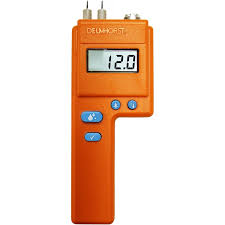
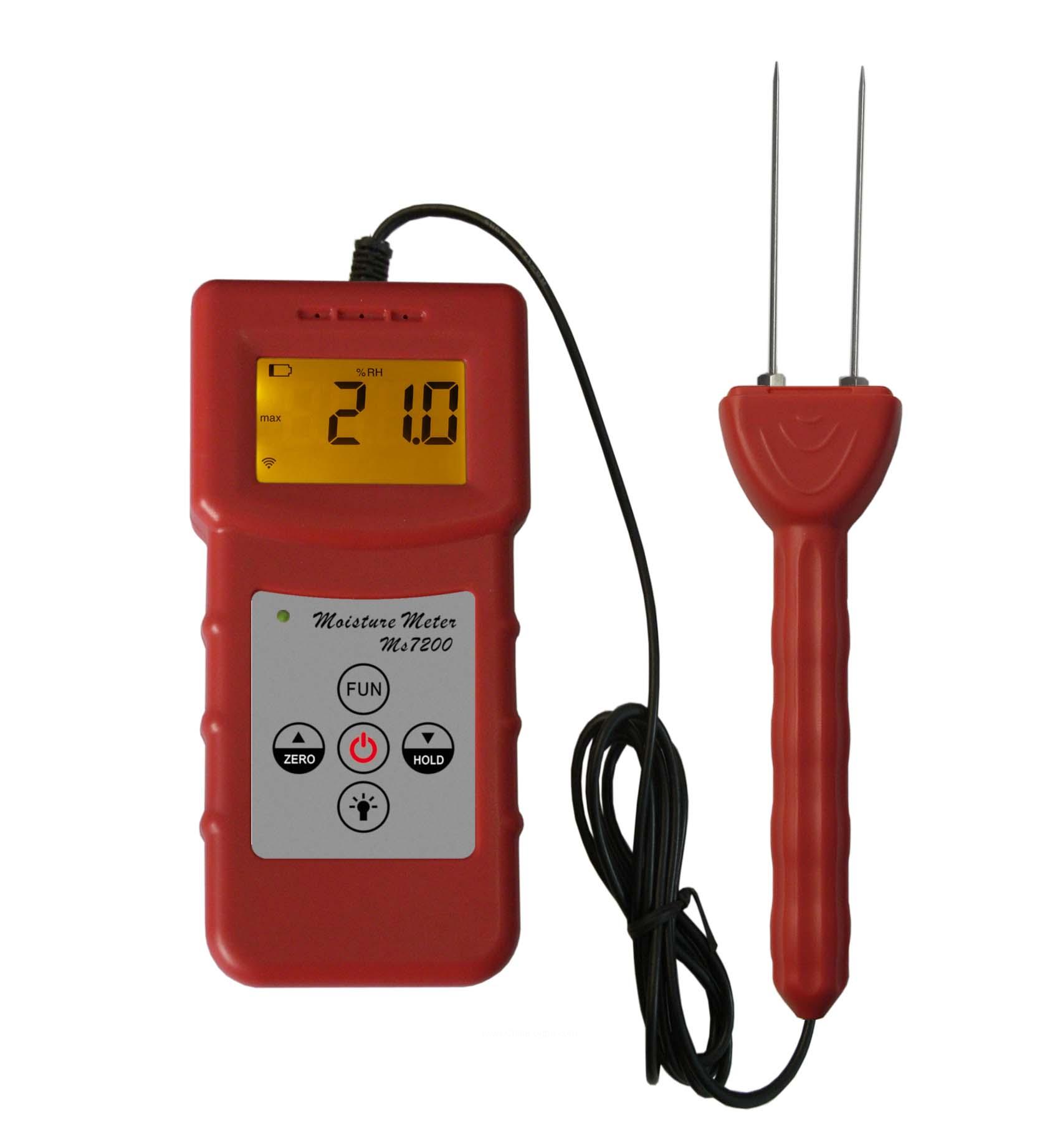
A concrete moisture meter is the fastest and most convenient way to assess moisture levels. These handheld devices use electrical impedance or capacitance to estimate moisture near the surface.
How to use a concrete moisture meter:
- Ensure the concrete surface is clean and free of debris.
- Place the meter flat against the slab.
- Take multiple readings across different areas.
- Compare results to manufacturer guidelines.
Best for:
- Initial moisture screening
- Identifying damp areas
- Routine site checks
Limitations:
- Measures relative moisture, not exact internal moisture content
- Not always accepted for final flooring approval
2. Relative Humidity (RH) Testing – In-Situ Probes
Relative Humidity (RH) testing is one of the most reliable and widely accepted methods for concrete moisture measurement. It measures moisture deep within the slab.
How RH testing works:
- Drill holes to a specified depth (typically 40% of slab thickness).
- Insert RH probes into the holes.
- Allow the probes to equilibrate.
- Record humidity and temperature readings.
Best for:
- Flooring installation approval
- Compliance with industry standards
- Accurate internal moisture measurement
Typical acceptable RH levels:
- Often ≤75% RH (check flooring manufacturer requirements)
3. Calcium Chloride Test (Moisture Vapour Emission Rate)
This method measures the rate at which moisture vapour emits from the concrete surface.
How it works:
- A calcium chloride dish is sealed to the concrete surface
- Moisture absorption is measured over 60–72 hours
Best for:
- Older testing specifications
Limitations:
- Time-consuming
- Surface-only measurement
- Less reliable than RH testing
Step-by-Step: How to Measure Moisture in Concrete Correctly
- Allow adequate curing time
New concrete typically needs at least 28 days to cure, though moisture may remain longer. - Choose the correct test method
Use moisture meters for screening and RH testing for final approval. - Test multiple locations
Moisture levels can vary across a slab. - Record and compare results
Always follow flooring or coating manufacturer limits. - Retest if necessary
Environmental conditions can affect moisture readings.
Acceptable Moisture Levels in Concrete
Acceptable moisture levels depend on the floor covering or coating being applied. Typical guidelines include:
- RH testing: 70–75% RH (some products allow higher)
- Moisture meters: Relative readings within manufacturer limits
Always check product-specific installation instructions.
Choosing the Right Concrete Moisture Meter
When selecting a concrete moisture meter, consider:
- Accuracy and repeatability
- Non-destructive measurement
- Clear digital display
- Calibration and reliability
- Suitability for construction environments
Professional-grade meters are recommended for contractors, surveyors, and flooring installers.
Final Thoughts
Measuring moisture in concrete is essential for preventing costly flooring failures and ensuring long-term performance. While concrete moisture meters are ideal for quick checks, RH testing remains the most accurate method for determining readiness for floor installation.
Using the right tools and following proper testing procedures will help ensure successful, durable results on any construction project.
If you are looking for professional concrete moisture meters or testing equipment, ensure they meet industry standards and are suitable for your specific application.