In cooking and baking, precision can make all the difference. Even a small difference in ingredient amounts can affect the taste, texture, and outcome of your dish. This is why using a kitchen scale is one of the best ways to achieve consistent and accurate results. Here’s a step-by-step guide on how to measure ingredients precisely with a kitchen scale.
1. Choose the Right Scale
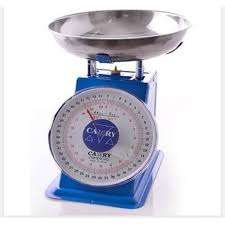
Start with a scale that suits your needs. Digital kitchen scales are ideal for precision, often measuring in grams or ounces with small increments. They are perfect for baking and portion control. Analog scales work for general cooking but may be less precise for small quantities.
2. Set Up Your Scale Correctly
Place your scale on a flat, stable surface to ensure accurate readings. Avoid uneven surfaces, as they can cause fluctuations. Turn the scale on and make sure it’s calibrated if your model requires it.
3. Use the Tare Function
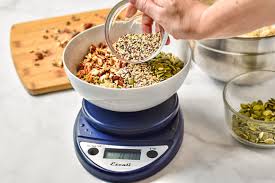
The tare function allows you to reset the scale to zero after placing a container or bowl on it. This means you can weigh ingredients directly in your mixing bowl without including the weight of the container.
Step Example:
- Place an empty bowl on the scale.
- Press the tare button to zero the display.
- Add your ingredient; the scale will now show only the ingredient’s weight.
4. Weigh Ingredients One at a Time
For best results, measure each ingredient separately. Add one ingredient, note the weight, then press tare before adding the next. This method prevents errors and keeps your measurements precise.
5. Use Consistent Units
Kitchen scales often allow you to switch between grams, ounces, and milliliters. Choose the unit that matches your recipe and stick with it. Grams are usually preferred for baking because they are highly precise.
6. Handle Sticky or Powdery Ingredients Properly
For sticky ingredients like honey or syrup, lightly coat your container with oil or use a spatula to transfer the ingredient completely. For powders like flour or cocoa, gently spoon into the container rather than scooping to avoid compacting, which can affect weight.
7. Clean the Scale After Use
Spills can affect future measurements and damage your scale. Wipe your scale clean after each use, paying special attention to the weighing platform. Many digital scales have removable trays, making cleanup easier.
Conclusion
Measuring ingredients precisely with a kitchen scale takes the guesswork out of cooking and baking. By following these steps—choosing the right scale, using the tare function, weighing each ingredient separately, and cleaning your scale properly—you can ensure consistent, accurate, and delicious results every time.