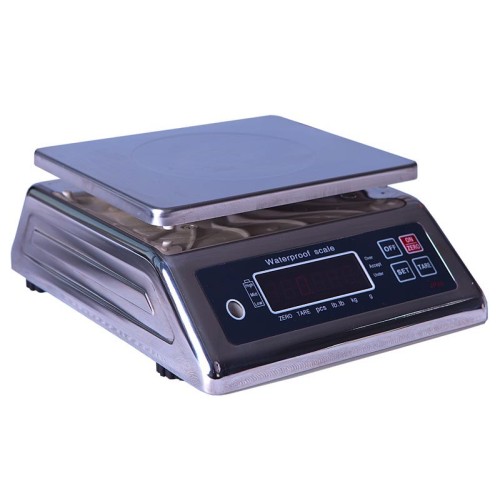
In environments where moisture, washdowns, or harsh conditions are part of daily operations, choosing the right weighing equipment is critical. Waterproof scales are specifically designed to maintain accuracy, reliability, and hygiene where standard scales may fail. However, not all waterproof scales are the same.
This guide will help you understand what to look for when choosing the right waterproof scale for your business, ensuring long-term performance and compliance with industry requirements.
1. Understand Your Working Environment
The first step is to assess where and how the scale will be used. Consider factors such as:
- Exposure to water, steam, or cleaning chemicals
- Frequency of washdowns
- Temperature fluctuations
- Presence of dust, debris, or corrosive substances
For example, food processing plants and fisheries typically require scales that can withstand high-pressure washdowns, while laboratories may need protection from spills and humidity rather than direct water jets.
Understanding these conditions will help determine the level of waterproofing required.
2. Check the IP Rating
One of the most important specifications to look for is the Ingress Protection (IP) rating, which indicates how well the scale is protected against solids and liquids.
Common IP ratings for waterproof scales include:
- IP65 – Protected against water jets and dust
- IP67 – Can withstand temporary immersion in water
- IP68 – Suitable for continuous immersion in water
The harsher the environment, the higher the IP rating you should choose. Selecting the correct IP rating helps prevent internal damage and ensures consistent performance.
3. Choose the Right Scale Type
Waterproof scales are available in several formats. Choosing the right type depends on your application:
- Waterproof bench scales – Ideal for food prep areas, packing stations, and laboratories
- Waterproof floor scales – Suitable for heavier loads in industrial or warehouse environments
- Waterproof platform scales – Flexible solutions for a wide range of capacities
- Waterproof counting scales – Useful where both accuracy and moisture resistance are required
Matching the scale type to your workflow improves efficiency and usability.
4. Consider Capacity and Accuracy Requirements
Every business has different weighing needs. Selecting a scale with the correct capacity and readability is essential.
Ask yourself:
- What is the maximum weight you need to measure?
- How precise do your measurements need to be?
- Do you require trade-approved (legal-for-trade) weighing?
Overloading a scale can reduce its lifespan, while insufficient accuracy can lead to errors, waste, or compliance issues.
5. Material and Build Quality Matter
High-quality waterproof scales are typically constructed from stainless steel, which offers excellent resistance to corrosion, moisture, and cleaning chemicals.
Look for features such as:
- Stainless steel platforms and housings
- Sealed load cells
- Waterproof keypads and displays
A robust build ensures durability and hygienic operation, especially in food and pharmaceutical environments.
6. Ease of Cleaning and Maintenance
In hygiene-critical industries, easy cleaning is essential. A well-designed waterproof scale should allow for quick and thorough cleaning without the risk of water ingress.
Smooth surfaces, minimal crevices, and sealed components help prevent bacteria buildup and reduce maintenance time.
7. Power Supply and Connectivity
Consider how the scale will be powered and whether you need data connectivity:
- Mains power vs rechargeable batteries
- USB, RS-232, or wireless connectivity for data transfer
- Integration with printers, PCs, or inventory systems
Choosing the right features can improve traceability and operational efficiency.
8. Compliance and Certification
Depending on your industry, you may need scales that meet specific standards or regulations, such as:
- Trade-approved (legal-for-trade) certification
- Food safety and hygiene standards
- Quality system compliance (ISO, GMP, etc.)
Always ensure the scale meets any regulatory requirements relevant to your business.
9. Supplier Support and After-Sales Service
Finally, choose a supplier that offers expert advice, calibration services, and ongoing support. Reliable after-sales service ensures your waterproof scale remains accurate and compliant throughout its lifespan.
Conclusion
Choosing the right waterproof scale is about more than just protection from water. By considering your environment, IP rating, capacity, build quality, and compliance needs, you can invest in a weighing solution that delivers accuracy, durability, and peace of mind.
If you’re unsure which waterproof scale is right for your application, professional guidance can help you make the best choice for your business.