Choosing the right vehicle scale is a crucial decision for businesses that rely on accurate weighing for compliance, efficiency, and profitability. Whether you operate in haulage, construction, waste management, agriculture, or logistics, the correct vehicle weighing solution can help prevent overloading, improve operational control, and meet legal requirements.
This guide explains the key factors to consider when choosing a vehicle scale and how to select the best option for your business needs.
Why Choosing the Right Vehicle Scale Matters
Using an unsuitable or inaccurate vehicle scale can lead to:
- Vehicle overloading and safety risks
- Non-compliance with legal weight limits
- Fines, penalties, and failed inspections
- Inaccurate billing or material tracking
- Increased wear on vehicles and infrastructure
The right vehicle scale ensures reliable data, protects your business, and improves day-to-day efficiency.
1. Understand Your Weighing Requirements
Start by clearly defining how the vehicle scale will be used:
- What types of vehicles will be weighed? (HGVs, vans, tractors, plant)
- Maximum gross vehicle weight required
- Frequency of weighing (occasional vs high-volume)
- Static weighing or in-motion checks
Understanding your operational needs will narrow down the most suitable scale type.
2. Choose the Right Type of Vehicle Scale
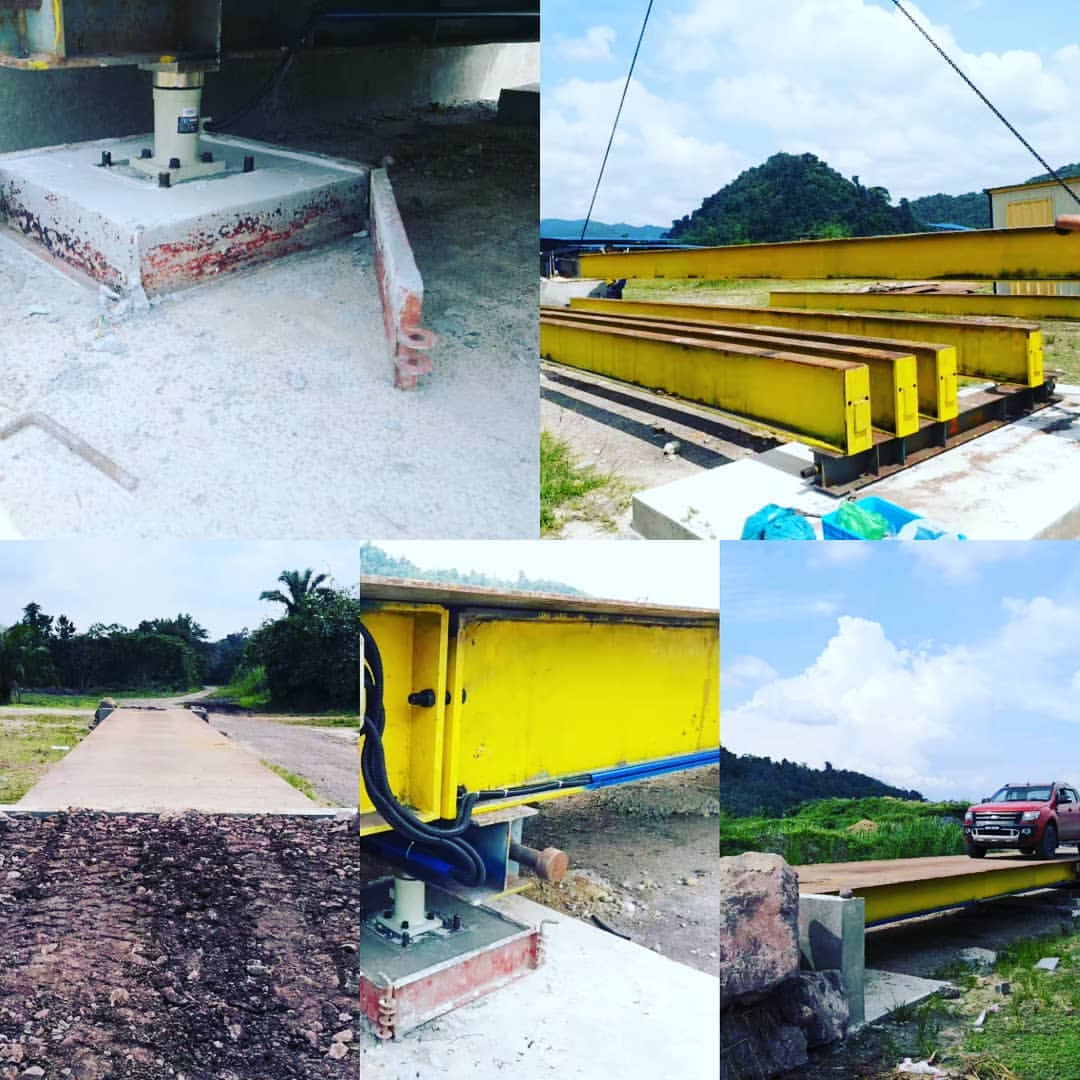
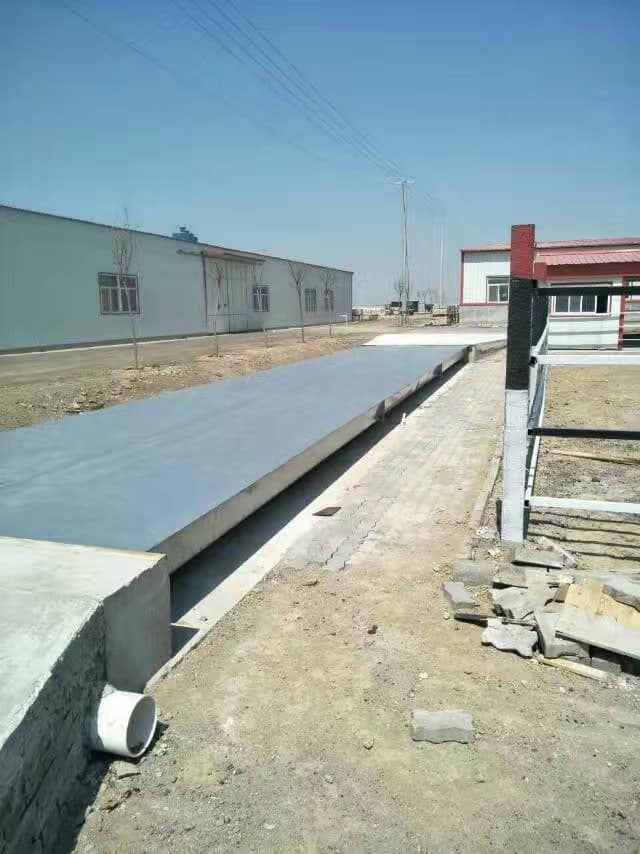
Weighbridges (Fixed Vehicle Scales)
Weighbridges are permanent installations designed for frequent, high-accuracy weighing.
Best for:
- Logistics and haulage depots
- Waste transfer stations
- Quarries and recycling sites
Advantages:
- High accuracy and repeatability
- Suitable for heavy vehicles
- Can be legal-for-trade
Portable Vehicle Scales
Portable vehicle scales can be moved between sites and are ideal where flexibility is required.
Best for:
- Construction sites
- Temporary operations
- Fleet weight checks
Advantages:
- Quick deployment
- No permanent groundwork
- Cost-effective for multi-site use
Axle Scales
Axle scales measure individual axle loads and calculate total vehicle weight.
Best for:
- Overload prevention
- Roadside or yard checks
- Operators needing quick compliance checks
Advantages:
- Compact and portable
- Fast weighing process
- Helps manage axle load limits
3. Consider Accuracy and Legal Compliance
If weights are used for trade, billing, or enforcement, the vehicle scale must be legal-for-trade approved.
Key considerations include:
- Compliance with UK Weights & Measures regulations
- Certification and verification requirements
- Regular calibration and servicing
Non-approved scales should only be used for internal or check weighing.
4. Installation and Site Requirements
Different vehicle scales have varying installation needs:
- Weighbridges may require foundations, ramps, or pit installations
- Portable scales require flat, stable surfaces
- Space availability and traffic flow must be considered
A site survey can help determine feasibility and reduce installation issues.
5. Environment and Operating Conditions
Vehicle scales are often used in demanding environments. Consider:
- Exposure to dirt, mud, water, or chemicals
- Outdoor vs indoor installation
- Temperature extremes
Robust construction and environmental protection are essential for long-term accuracy.
6. Data Management and Integration
Modern vehicle scales can integrate with:
- Printers and ticketing systems
- Software for record keeping
- Fleet management or ERP systems
Digital data capture improves traceability, reporting, and operational control.
7. Maintenance, Calibration, and Support
Reliable after-sales support is just as important as the scale itself.
Look for:
- Local service and calibration support
- Clear maintenance schedules
- Availability of spare parts
- Technical assistance when required
Regular calibration ensures ongoing accuracy and compliance.
8. Budget and Total Cost of Ownership
While initial purchase price is important, consider the full cost over time:
- Installation and groundwork
- Calibration and servicing
- Downtime and repairs
- Expected lifespan of the scale
Investing in a quality vehicle scale often delivers better long-term value.
Final Thoughts
Choosing the right vehicle scale for your business requires careful consideration of accuracy, compliance, environment, and operational needs. From permanent weighbridges to portable axle scales, selecting the correct solution will improve safety, efficiency, and legal compliance.
Working with an experienced weighing equipment supplier can help ensure you choose a vehicle scale that meets your current needs and supports future growth.
.