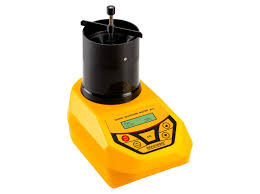
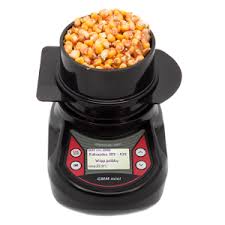
For farmers, protecting the quality and value of harvested grain starts with knowing its moisture content. A reliable grain moisture meter is an essential tool, helping prevent spoilage, optimize storage, and meet market standards. But with so many options available, choosing the right meter for your farm can be challenging. This guide will help you make an informed decision.
Why Choosing the Right Meter Matters
Using an inaccurate or unsuitable moisture meter can lead to:
- Post-Harvest Losses: Grain stored at the wrong moisture level can spoil or develop mold.
- Financial Losses: Over-dried grain loses weight, while under-dried grain may be rejected by buyers.
- Wasted Time: Frequent testing with an inefficient meter slows down farm operations.
Selecting the right meter ensures accurate readings, efficient workflows, and better returns.
Key Factors to Consider
1. Grain Type Compatibility
Different grains have different electrical and physical properties, which affect moisture readings. Make sure your meter is calibrated for the grains you grow, whether it’s wheat, corn, rice, barley, or soybeans. Some meters allow multi-grain calibration, which is ideal for mixed farms.
2. Accuracy and Precision
Accuracy is critical. Look for meters that provide consistent readings within a small margin of error (typically ±0.5% to ±1%). High precision ensures you can make safe storage and sale decisions.
3. Measurement Method
Common methods include:
- Electrical Resistance/Conductivity: Simple, fast, and widely used for portable meters.
- Capacitance: Quick and suitable for larger samples.
- Near-Infrared (NIR): Highly accurate and often integrated into smart or automated systems.
Choose a method that fits your farm size, workflow, and budget.
4. Portability vs. Stationary Use
- Handheld/Portable Meters: Ideal for field use during harvest or spot checks.
- Desktop/Stationary Meters: Provide higher precision and are suited for storage facilities or labs. Consider your farm layout and where you’ll use the device most.
5. Data Logging and Connectivity
Modern meters often include:
- Built-in memory to store readings
- Bluetooth or app connectivity
- Integration with farm management software
These features make it easier to track moisture trends over time and make data-driven decisions.
6. Ease of Use and Durability
Choose a meter that is easy to operate, with clear displays and simple calibration. Durability is also important—dust, heat, and rough handling are common in farm environments, so a sturdy, well-built device will last longer.
Practical Tips for Farmers
- Test Samples Properly: Mix grain before testing and measure multiple samples for accuracy.
- Regular Calibration: Follow the manufacturer’s instructions to maintain reliability.
- Consider Budget and ROI: Higher-end meters may cost more upfront but save money in reduced spoilage and improved grain value.
- Seek Expert Advice: If unsure, consult with suppliers or fellow farmers to match your needs.
Conclusion
Choosing the right grain moisture meter is an investment in your farm’s efficiency, safety, and profitability. By considering factors like grain type compatibility, accuracy, measurement method, portability, and smart features, you can select a meter that fits your specific needs. The right device ensures your grain is stored safely, sold at the best value, and protected from unnecessary losses—making it a must-have tool for modern farming.