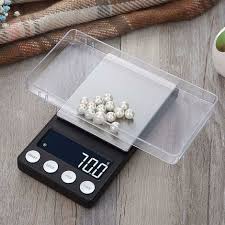
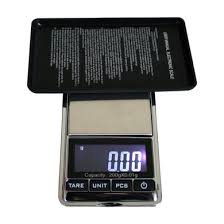
For jewelers and gemologists, a mineral jewelry scale is an essential tool for precise measurement of gemstones, precious metals, and finished jewelry pieces. Even minor inaccuracies can impact pricing, appraisal, and customer trust. Proper calibration and maintenance ensure your scale remains accurate, reliable, and long-lasting.
1. Why Calibration Is Important
Calibration ensures that your scale provides correct readings. Over time, factors like frequent use, temperature changes, or relocation can affect accuracy. Regular calibration restores precision, allowing you to weigh gemstones and metals with confidence.
2. How to Calibrate a Mineral Jewelry Scale
Most modern scales offer simple digital calibration functions. Here’s a step-by-step guide:
- Warm Up the Scale: Turn on the scale and allow it to stabilize for 15–30 minutes.
- Use Calibration Weights: Use certified calibration weights that match the scale’s capacity.
- Enter Calibration Mode: Follow the manufacturer’s instructions to access the calibration function.
- Place the Calibration Weight: Position the weight on the scale platform and allow it to register.
- Confirm and Save: The scale will adjust automatically. Confirm the calibration and exit the mode.
- Check Accuracy: Test the scale with known weights to ensure correct readings.
Regular calibration is recommended, especially before high-value weighing or appraisals.
3. Routine Maintenance Tips
Proper care ensures your scale performs reliably over time:
- Keep It Clean: Wipe the platform regularly with a soft, dry cloth. Avoid liquids that can damage sensors.
- Avoid Overloading: Never exceed the scale’s maximum capacity to prevent sensor damage.
- Stable Placement: Keep the scale on a flat, vibration-free surface away from drafts or direct sunlight.
- Store Properly: When not in use, cover the scale or store it in its protective case to prevent dust accumulation.
- Check Calibration Regularly: Even with careful use, recalibrate periodically to maintain accuracy.
4. Troubleshooting Common Issues
- Inconsistent Readings: Ensure the scale is on a level surface and free from vibration.
- Error Messages: Refer to the user manual; most digital scales have specific codes for calibration or overload issues.
- Platform Damage: Avoid placing heavy or sharp objects that could scratch or damage the weighing surface.
Conclusion
Calibrating and maintaining your mineral jewelry scale is essential for accuracy, reliability, and longevity. Regular calibration, careful handling, and routine maintenance ensure precise measurements for gemstones, precious metals, and jewelry pieces. By taking proper care of your scale, jewelers and gemologists can protect their work, maintain customer trust, and deliver professional results every time.