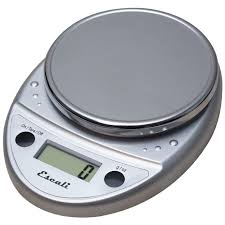
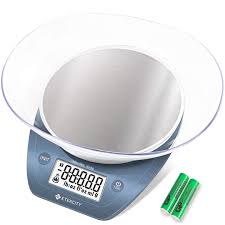
A kitchen scale is an essential tool for precision cooking and baking, but even the best scales can give inaccurate measurements if they’re not properly calibrated and maintained. Regular care ensures accuracy, longevity, and consistent results in your kitchen. Here’s a complete guide on how to calibrate and maintain your kitchen scale.
1. Why Calibration Matters
Calibration ensures that your scale provides accurate readings. Over time, scales can drift due to:
- Frequent use
- Movement or jostling
- Temperature changes
- Battery fluctuations
Even a small error can affect baking results, portion control, or nutritional tracking. Calibrating your scale keeps your measurements precise.
2. How to Calibrate a Digital Kitchen Scale
Most modern digital scales are easy to calibrate:
- Read the manual: Each scale may have a slightly different calibration procedure.
- Place the scale on a flat, stable surface: Uneven surfaces can give inaccurate results.
- Enter calibration mode: Usually by holding a specific button (often “Cal” or “Mode”).
- Use a known weight: Many scales require a calibration weight, often 100g, 200g, or 500g. If you don’t have one, a heavy, precise object like a metal weight or jar of water with known mass can work.
- Confirm calibration: The scale should reset and display the exact weight of your calibration object.
Tip: Some budget scales automatically calibrate when turned on; check your manual for details.
3. How to Calibrate an Analog Kitchen Scale
Analog scales can also lose accuracy over time:
- Set the scale to zero: Most have a small adjustment knob near the dial.
- Check with a known weight: Place an object of known weight on the platform.
- Adjust as needed: Turn the adjustment knob until the scale reads the correct weight.
- Test multiple weights: For accuracy across the scale’s range.
4. Regular Maintenance Tips
Proper maintenance extends the life of your scale:
- Keep it clean: Wipe the weighing platform after each use. Avoid spills of sticky ingredients.
- Avoid overloading: Do not exceed the scale’s maximum weight limit.
- Store properly: Keep it in a dry, stable environment. Avoid dropping or stacking heavy items on it.
- Check batteries: Low batteries can affect accuracy; replace them regularly.
- Avoid extreme temperatures: Very hot or cold environments can affect readings, especially for digital scales.
5. When to Recalibrate
You should recalibrate your scale:
- After moving it to a new location
- When it’s been dropped or jarred
- After replacing batteries
- Periodically, if you use it frequently for precise tasks like baking or meal prep
Conclusion
A well-calibrated and properly maintained kitchen scale is key to accurate cooking, baking, and portion control. By following these simple steps—calibrating regularly, cleaning properly, and handling with care—you ensure reliable results and prolong the life of your scale.
Invest a few minutes in calibration and maintenance, and your scale will reward you with precise, consistent measurements for years to come.