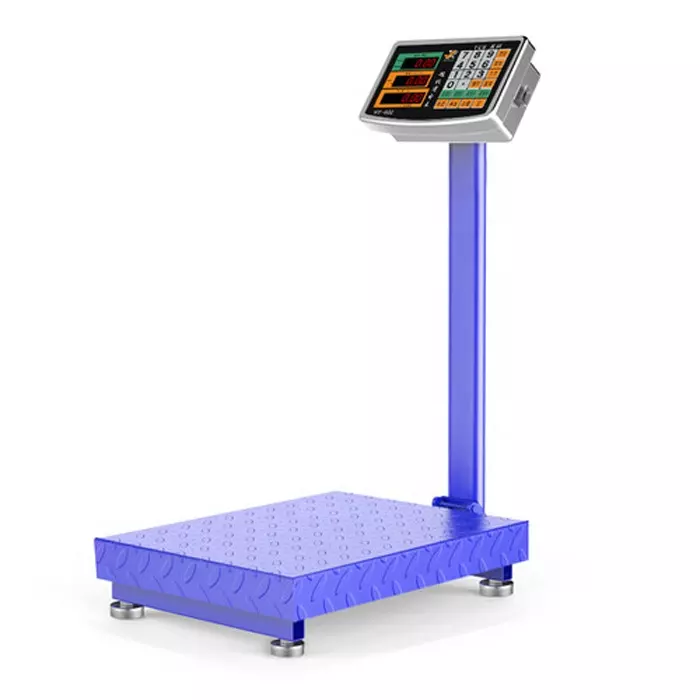
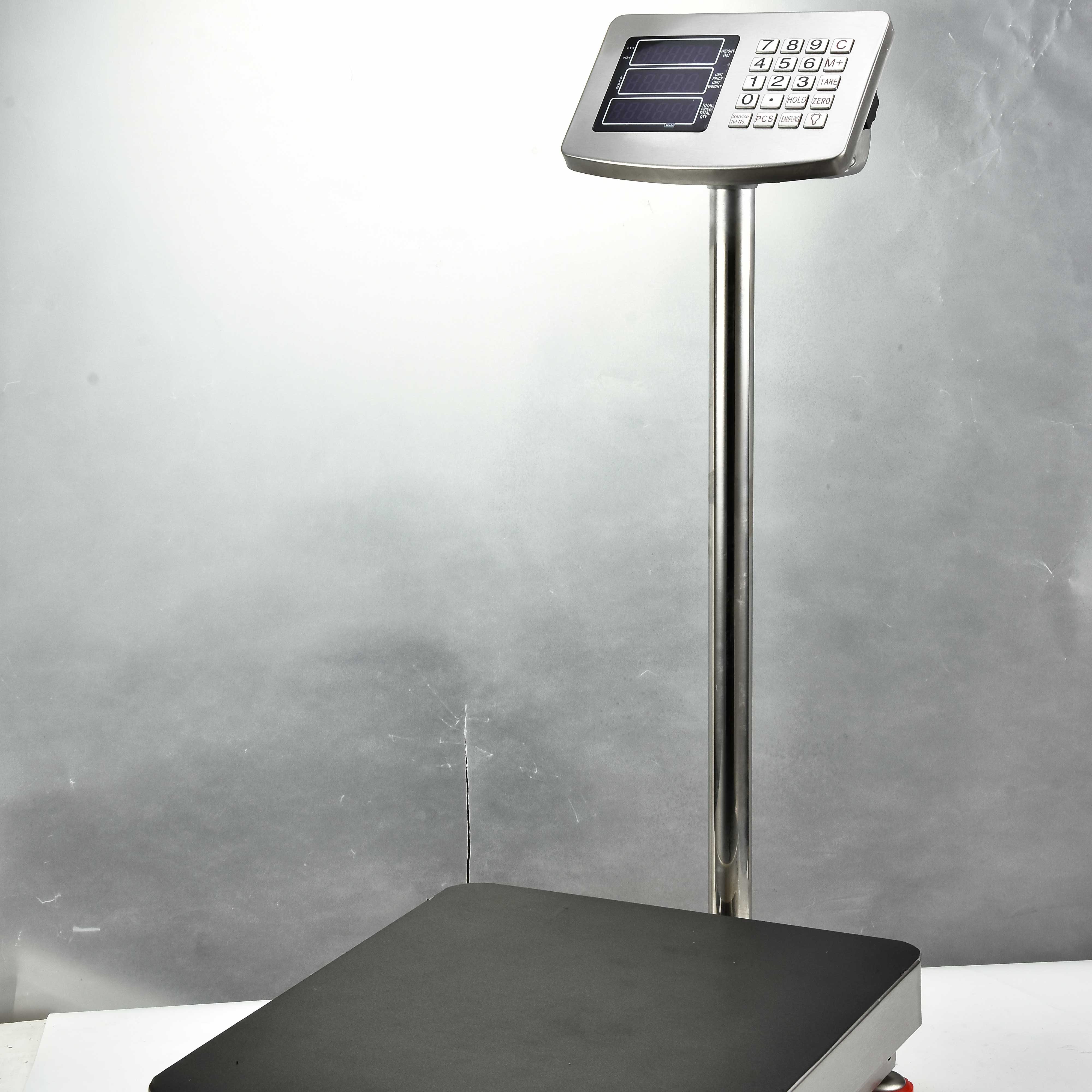
Accurate weighing is essential for business fairness, legal compliance, customer trust, and quality control. In Uganda — especially for commercial or trade‑related use — regular calibration of weighing scales isn’t just good practice, it’s a responsibility to ensure your measurements are reliable and compliant with standards like those from the Uganda National Bureau of Standards (UNBS).
So, how often should you calibrate your scale? The answer depends on how the scale is used, the environment it’s in, and the type of scale you have.
📅 Recommended Calibration Frequency
Here’s a general guideline based on typical use cases in Uganda:
🧮 Commercial & Retail Scales
If you’re selling goods by weight — like in supermarkets, markets, butcheries, or grocery stores — it’s recommended to:
- Calibrate at least once every 6–12 months
This helps ensure pricing is fair and compliant with regulations, and protects you against disputes or fines.
🏭 Industrial & Heavy‑Use Scales
Scales used for production, logistics, warehouses, or shipping often see heavier and more frequent use. For these:
- Calibration every 6–12 months is usually appropriate
In some high‑traffic environments, more frequent checks may be beneficial.
🧪 Laboratory & Precision Scales
Laboratory balances and analytical scales measure very small amounts and need higher precision:
- Calibration every 3–6 months is often recommended for precision and consistent results.
🩺 Medical and Specialized Scales
Scales used in healthcare (for dosing, BMI measurement, etc.) may also require calibration more often, depending on how critical accuracy is. Many clinics choose seasonal or semi‑annual calibration for best performance.
🔎 Other Times You Should Calibrate
Regardless of your usual schedule, you should also calibrate whenever any of the following happen:
✔ After relocating or transporting the scale (movement can affect accuracy)
✔ After major repairs or service work
✔ If the scale shows inconsistent or drifting readings
✔ When preparing for audits or regulatory inspections
✔ Before entering business tenders or exporting products where measurement accuracy is verified
📊 Why Regular Calibration Matters in Uganda
- Fair trade compliance — accurate scales help protect both buyers and sellers.
- Avoid fines or penalties — regulators like UNBS may inspect scales to verify calibration.
- Customer trust — consistent results build confidence in your business.
- Quality control — accurate weights reduce errors in production, shipping, inventory, and costing.
🧠 Final Tips for Calibration Scheduling
📌 Keep a calibration log: Note the last calibration date, next due date, and any adjustments made.
📌 Match frequency to use: Scales that are used heavily or in harsh environments (dust, humidity, vibration) may need more frequent calibration.
📌 Work with certified providers: Only licensed technicians or certified calibration services can issue valid calibration certificates for legal use in Uganda.
📆 Summary Table
|
Scale Type |
Suggested Calibration Frequency |
|
Retail & Trade |
Every 6–12 months |
|
Industrial/Heavy Use |
Every 6–12 months |
|
Laboratory/Precision |
Every 3–6 months |
|
Medical & Specialized |
Every 3–6 months (or seasonal) |