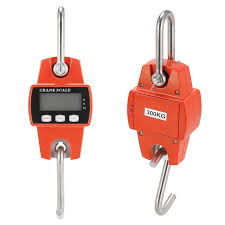
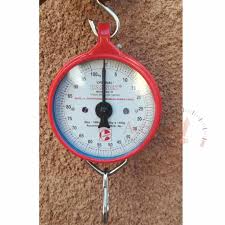
In today’s fast-paced industrial environment, precision and efficiency are more critical than ever. Industries that rely on heavy lifting—construction, manufacturing, shipping, and logistics—depend on crane scales to provide accurate weight measurements. Now, with the rise of the Internet of Things (IoT), crane scales are becoming smarter, more connected, and more reliable than ever before.
Understanding IoT in Crane Scales
The Internet of Things (IoT) refers to a network of physical devices embedded with sensors, software, and connectivity, allowing them to exchange data in real time. When applied to crane scales, IoT enables these devices to communicate directly with computers, mobile apps, or enterprise systems, providing continuous monitoring, data collection, and analysis.
How IoT Improves Crane Scale Accuracy
1. Real-Time Weight Monitoring
IoT-enabled crane scales continuously transmit weight data to connected devices, allowing operators to monitor measurements in real time. This eliminates the risk of human error caused by manual readings and ensures that weight data is always precise and up to date.
2. Automated Calibration
Accuracy depends heavily on proper calibration. IoT-enabled crane scales can detect deviations in measurement and trigger automated calibration or alert maintenance teams when recalibration is required. This reduces downtime and maintains consistent accuracy over time.
3. Predictive Maintenance
IoT sensors track the condition of the crane scale, including load strain, battery life, and mechanical wear. By analyzing this data, predictive maintenance algorithms can alert operators before a failure occurs, preventing inaccurate measurements and costly downtime.
4. Data Logging and Analysis
IoT systems can automatically log each measurement, creating a historical record that can be analyzed for trends, load patterns, or compliance audits. This level of data tracking ensures both operational efficiency and regulatory adherence.
5. Remote Accessibility
With IoT connectivity, crane scale data can be accessed from anywhere—on-site or remotely. Managers and operators can monitor multiple scales across a facility or even across multiple locations, ensuring consistent accuracy without being physically present.
Benefits for Industries
- Construction: Maintain accurate load weights for safety and project efficiency.
- Manufacturing: Streamline material handling and reduce product errors.
- Shipping & Logistics: Ensure compliance with weight regulations and optimize shipping costs.
- Warehousing: Improve inventory management through precise load tracking.
Future Outlook
IoT is not just a technological upgrade—it’s a paradigm shift for crane weighing. As connectivity, sensors, and data analytics continue to evolve, crane scales will become even smarter, capable of self-diagnosis, predictive analytics, and full integration with industrial automation systems.
Businesses adopting IoT-enabled crane scales gain more than just accurate measurements—they gain operational intelligence that drives safety, efficiency, and cost savings.
Conclusion:
The Internet of Things is transforming crane scale accuracy from a simple measurement task into a connected, intelligent process. For industries that demand precision and reliability, IoT-enabled crane scales are no longer a luxury—they are a strategic necessity.