Vehicle scales play a critical role in industries such as logistics, construction, mining, agriculture, and waste management. Accurate weight measurements are essential for safety, legal compliance, billing, and operational efficiency. But how accurate are vehicle scales—and what factors can affect their readings?
This article explains typical accuracy levels and the key factors that influence vehicle scale performance.
How Accurate Are Vehicle Scales?
Modern vehicle scales are designed to deliver high levels of accuracy, typically ranging from:
- ±0.1% to ±0.5% of the applied load, depending on scale type, quality, and installation.
Certified vehicle scales used for trade or legal purposes must meet national and international weights and measures standards.
Key Factors That Affect Vehicle Scale Accuracy
1. Load Cell Quality
Load cells are the heart of any vehicle scale. High-quality, temperature-compensated load cells provide consistent readings under varying conditions.
Poor-quality or damaged load cells can lead to drift, instability, and inaccurate results.
2. Installation and Foundation
Improper installation is one of the most common causes of inaccurate readings. Factors include:
- Uneven or unstable foundations
- Incorrect load cell placement
- Structural misalignment
A properly prepared foundation ensures even load distribution and reliable performance.
3. Calibration and Maintenance
Regular calibration is essential for maintaining accuracy. Scales should be calibrated:
- After installation
- At scheduled intervals (annually or more often for heavy use)
- After repairs or relocation
Neglecting maintenance can lead to gradual accuracy loss.
4. Vehicle Positioning
Vehicle scales require proper vehicle alignment. Accuracy can be affected if:
- The vehicle is not fully on the platform
- Axles are unevenly positioned
- The vehicle moves during weighing
Consistent weighing procedures improve reliability.
5. Environmental Conditions
Environmental factors can significantly influence readings, including:
- Temperature fluctuations
- Moisture and flooding
- Dust, debris, and corrosion
- Wind (for above-ground scales)
Weatherproof components and protective enclosures help minimize environmental impact.
6. Overloading
Consistently overloading a scale can permanently damage load cells and structural components, reducing accuracy and shortening lifespan.
7. Electrical Interference
Electrical noise from nearby equipment, poor grounding, or damaged cables can cause unstable or fluctuating readings.
Proper grounding and shielded cabling are essential.
8. Scale Type and Design
Different scale types offer different accuracy levels:
- Weighbridges: Highest accuracy for gross vehicle weight
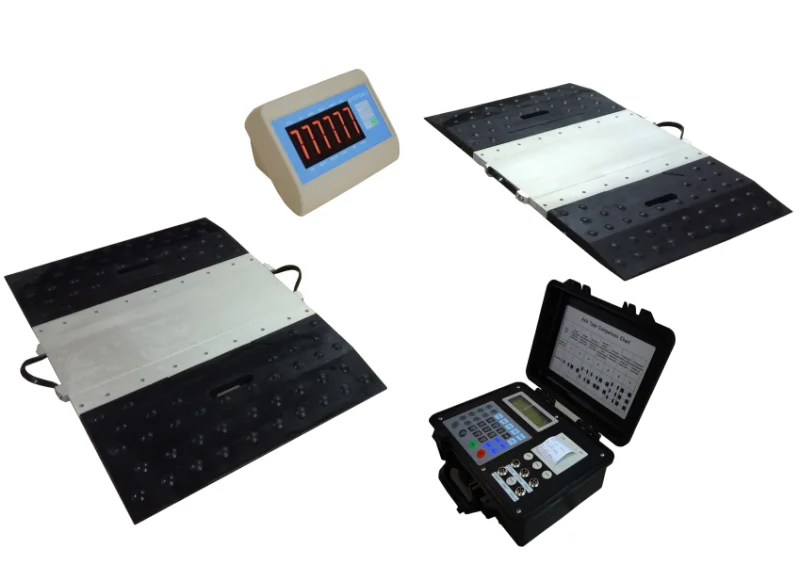
- Portable vehicle scales: High accuracy when properly installed
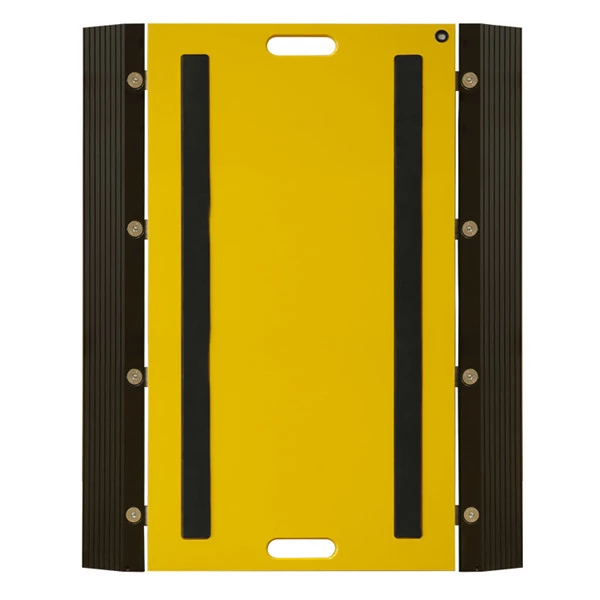
- Axle scales: Ideal for load distribution but slightly less precise for total GVW
Choosing the right scale for the application improves measurement reliability.
How to Ensure Maximum Accuracy
To maintain optimal accuracy:
- Use certified, high-quality vehicle scales
- Follow proper installation guidelines
- Calibrate regularly
- Train operators on correct weighing procedures
- Schedule routine servicing and inspections
Conclusion
Vehicle scales are highly accurate when properly installed, calibrated, and maintained. Understanding the factors that affect readings helps businesses ensure reliable weight data, improve safety, maintain compliance, and reduce costly errors.
Accurate weighing isn’t just about the equipment—it’s about proper setup, operation, and ongoing care.