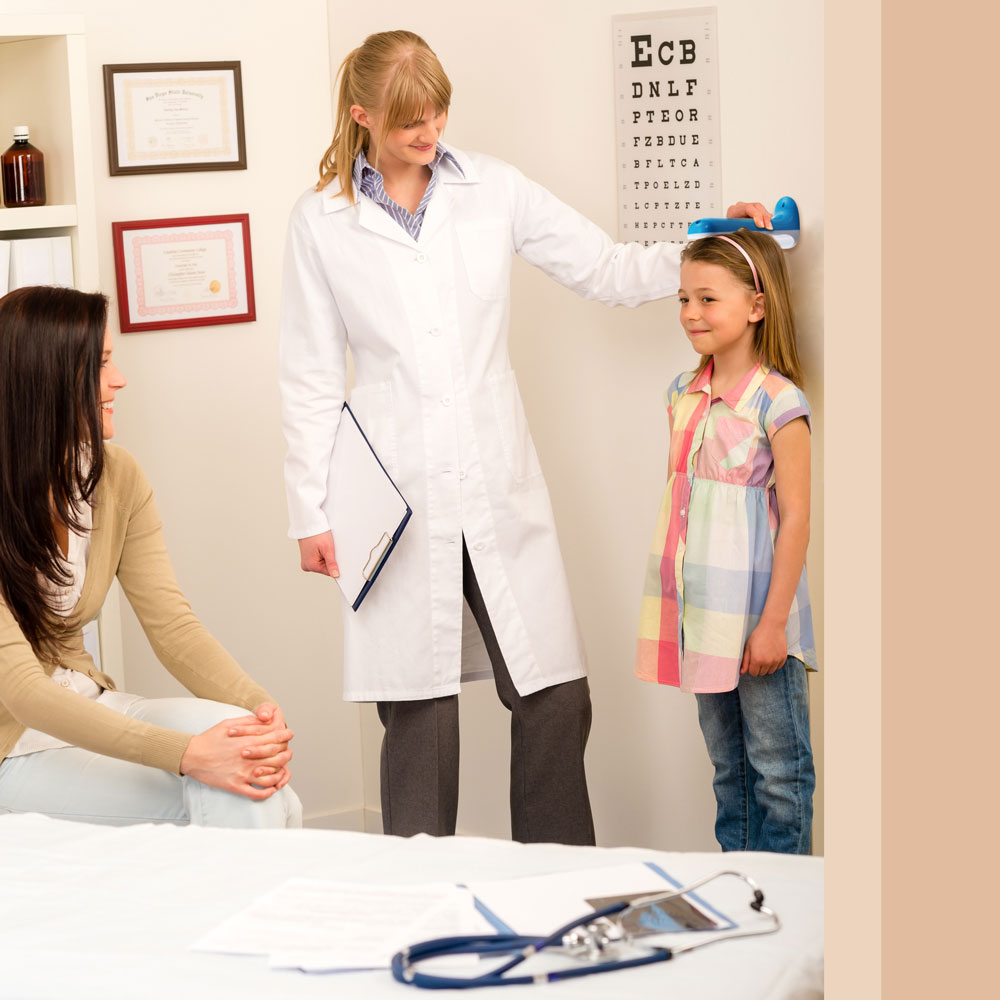
High-precision mechanical height boards, often called infantometers (for babies) or stadiometers (for adults), are essential in 2026 for clinical settings where battery failure or electronic drift cannot be tolerated. These boards provide a physical, "gold-standard" measurement with an accuracy of 1 mm.
1. High-Precision Infantometers (Recumbent Length)
For babies up to 2 years old, height must be measured lying down to ensure the spine is straight and the heels are properly flexed.
|
Model |
Measuring Range |
Precision |
Features |
|
Seca 416 |
33 – 100 cm |
1 mm |
Stationary Gold Standard: Trough-shaped for automatic positioning; locking foot-piece allows reading after baby is removed. |
|
Seca 417 |
10 – 100 cm |
1 mm |
Portable: Lightweight (1.6kg) and foldable for home visits; fits into a custom carry bag. |
|
ADE MZ10040 |
10 – 80 cm |
1 mm |
Modular: Two-piece board that clips together; laser-engraved dial for permanent readability. |
|
Kern MSB 80 |
10 – 80 cm |
1 mm |
Economic: Large stop surfaces; medical approval (93/42/EEC) for professional use. |
2. High-Precision Stadiometers (Standing Height)
For children over 2 years and adults, these mechanical rods ensure the patient is standing in the "Frankfurt Plane" (ears and eyes level) for accuracy.
- Seca 222 (Wall-Mounted): Features a telescopic rod that extends up to 230 cm. It includes a heel positioner to ensure the patient's feet are flush against the wall, eliminating the most common source of error.
- Seca 213 (Portable): A 4-piece breakdown stadiometer that fits into a platform base. It is the preferred tool for school screenings and mobile health clinics because it remains rigid even when not attached to a wall.
- ADE MZ10042: A portable stadiometer where the measuring rod pieces store inside the standing platform. It features a red indicator point for clear reading from both sides of the scale.
3. Critical Features of "High-Precision" Boards
To be considered high-precision in a 2026 medical context, a board must have:
- Non-Warping Materials: Unlike wood, high-grade ABS plastic or anodized aluminum will not expand or contract with humidity, maintaining the 1 mm accuracy.
- Locking Foot-Pieces: In infantometers, a "brake" or locking mechanism is vital so you can hold the baby's legs straight, slide the footboard, and lock it in place before picking the baby up to read the result.
- Abrasion-Resistant Scales: High-precision boards use laser-engraved or UV-printed markings that won't fade after years of being wiped down with medical-grade disinfectants.
4. Precision Usage Tip: The "Two-Person" Rule
Even with the best mechanical board, height measurement for infants is only accurate if performed by two people:
- Person 1 (Head): Holds the baby's head gently against the fixed headpiece, ensuring the eyes are looking straight up.
- Person 2 (Feet): Gently presses the baby's knees down to straighten the legs and slides the footboard firmly against the flat of the heels.