Depending on the device type, this feature functions in one of two ways: Internal Weight Adjustment (for lab-grade analyzers) or Electronic Baseline Checking (for portable/field meters).
1. Lab-Grade Analyzers: Automatic Internal Calibration
High-end moisture balances (like the Sartorius MA100 or Precisa EM 120-HR) feature a motorized internal weight.
- The Mechanism: Inside the housing, there is a high-precision metal weight (Class E2 or F1). When triggered, a motor places this weight onto the balance sensor.
- The Benefit: It allows the instrument to self-correct for changes in temperature, air pressure, or gravity without you ever touching an external calibration kit.
- Calibration of Choice: In a regulated lab (ISO/GLP), this "internal adjustment" ensures the balance unit is accurate before the heating cycle begins, which is critical since the moisture calculation is derived from minute weight changes.
2. Portable/Field Meters: Built-in Calibration Check
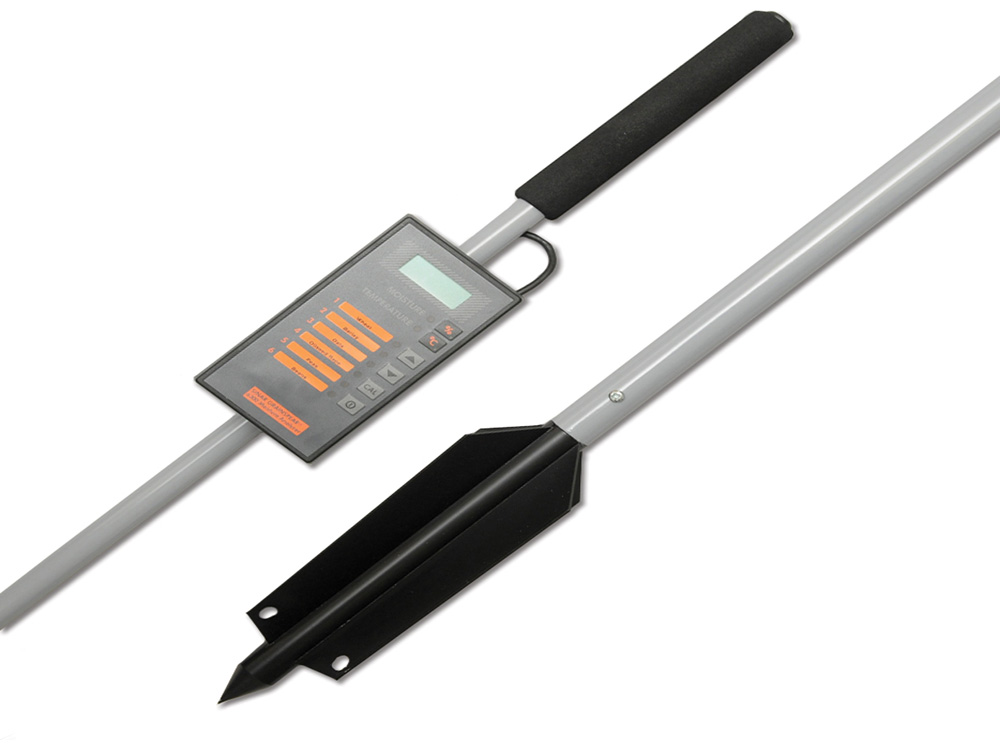
For handheld meters (wood, grain, or concrete), "built-in calibration" is typically an Electronic Standard or a Reference Check.
- WME Auto-Check: Professional meters like the Protimeter MMS3 (2026 model) include an "In-built WME auto calibration check." When powered on, the device runs a self-diagnostic across its internal circuitry to verify that the electrical resistance/capacitance sensors haven't drifted.
- Field Verification Blocks: Some high-quality meters have a "calibration cap" or a built-in contact point on the device. By touching the pins to this reference point, the device confirms it reads exactly "18.0%" (or another standard), verifying the sensor's health.
3. Comparison of Calibration Types
|
Feature |
Internal Weight (Lab) |
Electronic Check (Handheld) |
|
Technology |
Motorized physical mass. |
Software/circuitry diagnostic. |
|
Frequency |
Automatic or "On-Demand." |
Every power cycle (or after ~50 uses). |
|
User Effort |
Zero (fully automated). |
Low (touching a reference point). |
|
Primary Goal |
Weighing accuracy to $0.1mg$. |
Sensor baseline consistency. |
4. Why Use Built-in Calibration?
- Audit Readiness: By 2026, most quality audits require a "Pre-test Calibration Check." Built-in systems log these checks automatically, creating an unchangeable digital audit trail.
- Drift Prevention: Moisture sensors are sensitive to environmental humidity. Built-in calibration "re-zeros" the meter to the current ambient conditions.
- Safety: In building inspections or grain trade, an uncalibrated meter can lead to mold issues or financial loss. Built-in checks act as a "safety net" to prevent using a faulty tool.
5. Important Note for 2026 Standards
Even with "built-in" calibration, External Calibration (using a physical certified weight or a salt-standard kit) is still required annually or bi-annually by most ISO standards to verify the internal mechanism hasn't failed or worn out.