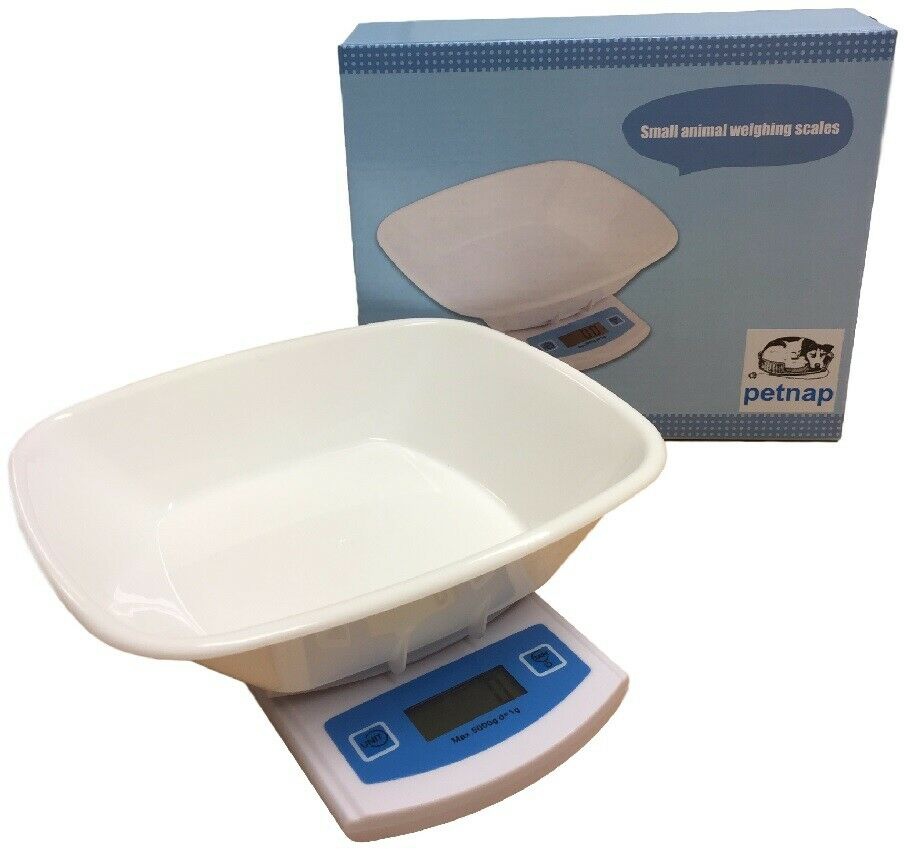
A Health Mechanical Baby Weighing Scale with 10g Divisions is a high-precision clinical instrument designed for pediatrics. While many mechanical scales have larger 50g or 100g increments, a 10g division (graduation) allows healthcare professionals to monitor minute changes in a newborn's weight—essential for tracking hydration and nutritional progress.
+1
Technical Specifications
Specifications typically found in premium mechanical models like the Seca 745 or Detecto 450 Series.
|
Feature |
Specification |
|
Max Capacity |
16 kg to 20 kg (approx. 35–44 lbs) |
|
Graduation (Division) |
10 g (fixed across the entire range) |
|
Mechanism |
Dual-beam balance or precision rack-and-pinion |
|
Approval Class |
Medical Class III (Required for clinical use) |
|
Weight Pan |
Ergonomically curved, typically 55cm – 60cm long |
|
Construction |
Powder-coated steel or reinforced aluminum |
|
Tare Range |
Manual reset-to-zero for blankets (up to 2kg) |
Key Design Features
1. Precision Beam Mechanics
Scales with 10g divisions almost always utilize a sliding weight beam. There are usually two bars:
- Top Bar: Measures kilograms (e.g., 0kg to 20kg).
- Bottom Bar: Measures grams in fine 10g increments.
This physical "poise" system is often more reliable than digital sensors because it cannot be affected by electromagnetic interference or low battery voltage.
2. Safety and Stability
Because you are measuring in such small increments (10g), these scales are built with heavy-duty steel bases to prevent tipping or vibration, which would otherwise cause the needle or beam to fluctuate.
3. Damping Systems
High-quality mechanical "health" scales often include a stabilizing mechanism. This acts like a shock absorber for the beam, allowing the practitioner to read the weight faster even if the baby is active or squirming.
Why 10g Divisions Matter
In neonatal care, a difference of 20g or 30g can be the difference between a baby who is thriving and one who needs medical intervention.
- Breastfeeding Support: Clinicians use 10g precision to check "weighted feeds" (weighing before and after nursing).
- Dehydration Monitoring: Rapid weight loss in infants is often the first sign of illness; a 10g sensitivity captures this earlier than standard home scales.
Maintenance & Accuracy
- Leveling: Most 10g mechanical scales feature adjustable leveling feet. For the division to remain accurate, the scale must be perfectly horizontal.
- Friction Points: To maintain the 10g sensitivity, the "knife edges" (the pivot points inside) must be kept free of dust and moisture.
- Cleaning: The weighing tray is usually removable and made of scratch-proof ABS plastic for easy sterilization between patients.