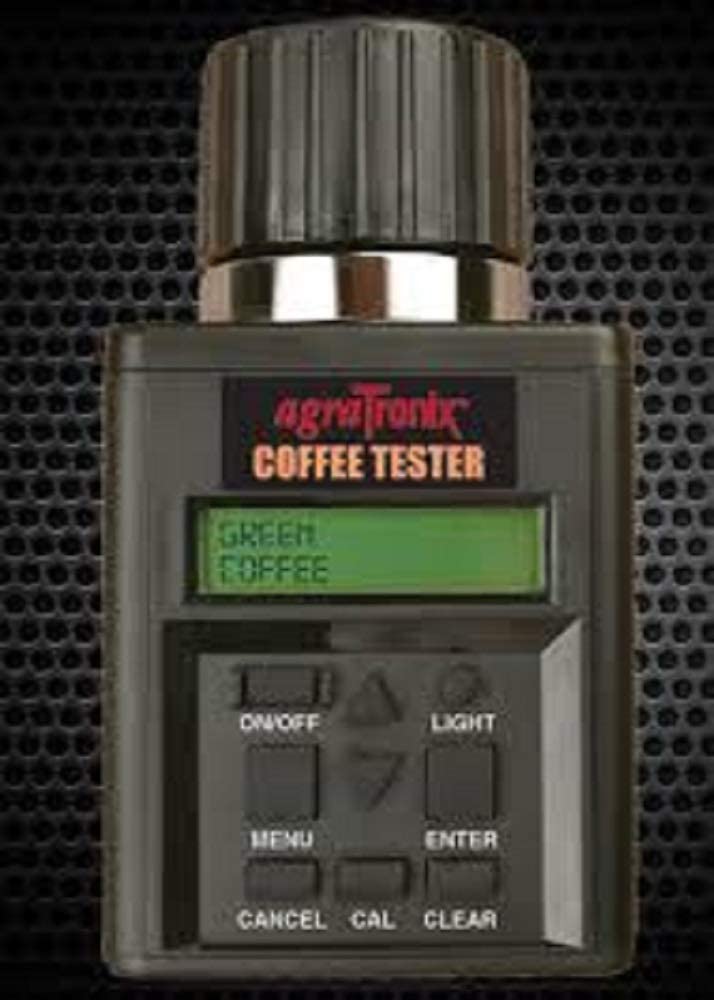
Halogen Moisture Analyzer) is the standard laboratory instrument for rapid, high-precision moisture analysis. It replaces the traditional "drying oven" method by reducing test times from several hours to under 5 minutes.
1. How It Works: The Thermogravimetric Principle
The instrument operates on the Loss on Drying (LOD) principle. It consists of two integrated units: a high-precision digital balance and a halogen heating module.
- Initial Weighing: The sample is placed on a disposable aluminum pan, and the built-in balance records the starting weight.
- Halogen Heating: A ring-shaped halogen lamp emits uniform infrared radiation. This heats the sample more evenly and faster than traditional ceramic or standard infrared elements.
- Real-Time Monitoring: As moisture evaporates, the balance continuously tracks the weight loss.
- Endpoint Detection: The test stops automatically when the weight becomes stable (no further loss detected). The internal software then calculates and displays the % Moisture Content.
2. Top Laboratory Models (2026)
|
Model |
Readability |
Best Feature |
Best For |
|
Mettler Toledo HX204 |
0.1 mg (0.001%) |
Hanging pan design (prevents heat interference). |
Pharmaceuticals: Highly regulated & ultra-precise. |
|
Sartorius MA160 |
1 mg (0.01%) |
"BetterClean" design; easy to sterilize. |
Food & Beverage: High-volume routine testing. |
|
Ohaus MB120 |
1 mg (0.01%) |
Temperature Guide; stores 100 methods. |
R&D Labs: Testing diverse new materials. |
|
A&D MX-50 |
1 mg (0.01%) |
Secondary Radiation Assist for fast drying. |
Chemical Industry: Fast throughput for plastics/resins. |
3. Key Laboratory Advantages
- Speed: Delivers results in 2–5 minutes, allowing for "real-time" quality control on production lines.
- Uniformity: The circular halogen bulb ensures the sample doesn't "crust" or burn on the edges while remaining wet in the middle.
- Compliance (GLP/GMP): 2026 models include user-password protection, audit trails, and the ability to print time-stamped reports for regulatory bodies.
- Versatility: Can handle solids, powders, pastes, and even some non-volatile liquids.
4. Critical Setup Requirements
- Sample Preparation: To maintain 0.01% accuracy, the sample must be crushed or ground and spread thinly and evenly across the pan.
- Environmental Stability: Because the internal balance is so sensitive, the instrument must be placed on a vibration-free stone table away from air drafts (HVAC vents).
- Calibration: In a laboratory setting, the balance should be calibrated with a certified weight, and the heating element should be verified with a temperature kit monthly.
5. Halogen vs. Infrared (IR)
While both use heat, Halogen is generally superior for lab work because:
- It reaches the target temperature faster.
- The ring shape provides better thermal distribution than a single IR bulb.
- It offers more precise "Soft" or "Gentle" drying modes for heat-sensitive samples (like sugar or delicate chemicals).